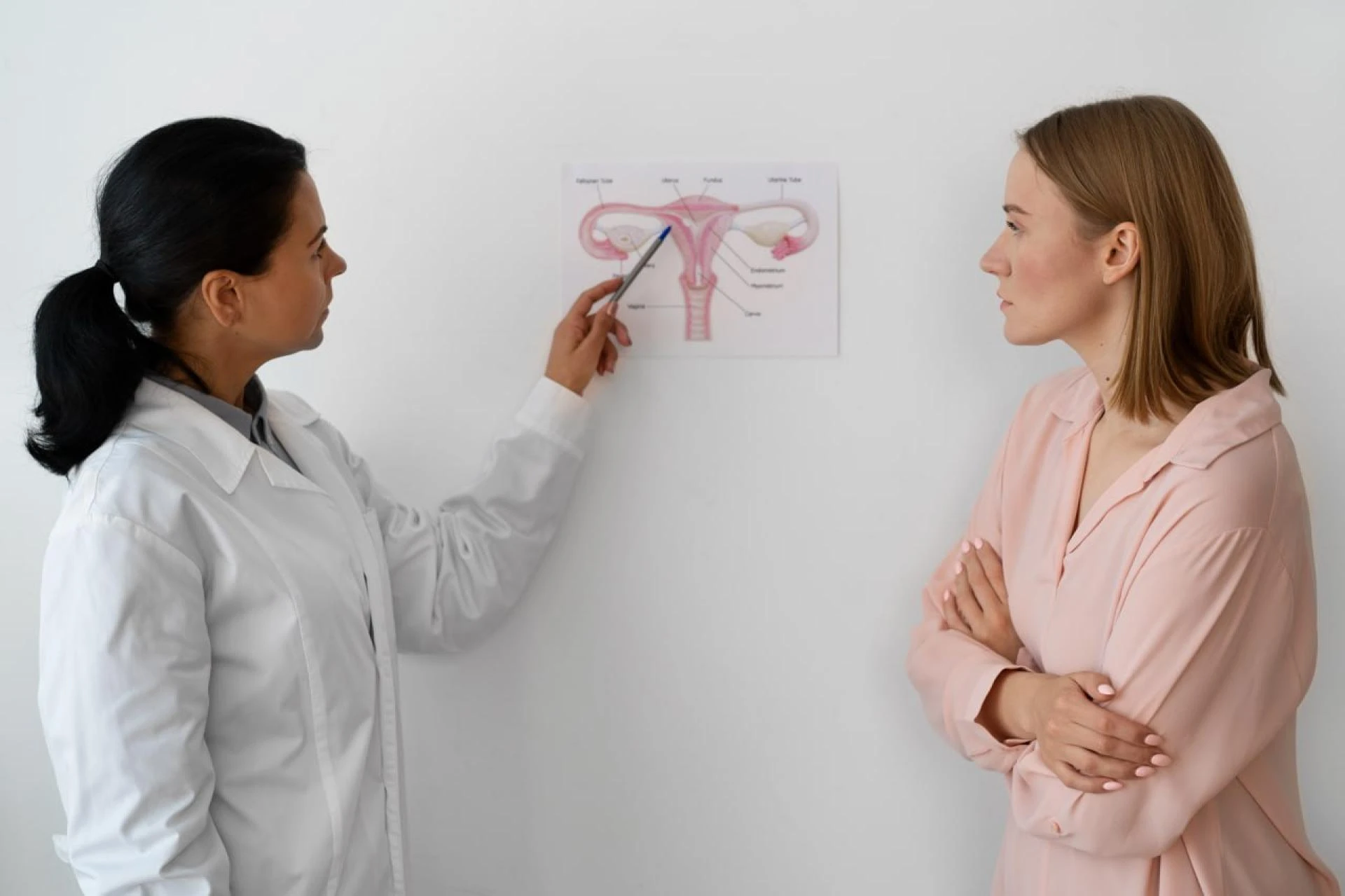
The medical specialty of reproductive endocrinology treats hormonal issues related to fertility. It focuses on issues connected to menstruation, menopause, puberty, fertility, and reproductive hormone diseases. The role of hormones in fertility is significant. Everything is under their control, including ovulation, menstrual periods, and even pregnancy. These processes may be disturbed if they are out of balance, which could make conception challenging.
Important hormones that control fertility
Gonadotropin-Releasing Hormone (GnRH): The hypothalamus produces gonadotropin-releasing hormone (GnRH), which causes the pituitary gland to release luteinizing hormone (LH) and follicle-stimulating hormone (FSH). Both of them are essential to the reproductive system’s proper operation.
Follicle-Stimulating Hormone (FSH): This hormone is necessary for male sperm production and female egg development. Fertility may be affected by either low or high quantities of it.
Luteinizing Hormone: LH aids in the generation of testosterone in males and causes ovulation in women.
Estrogen: Essential for follicular formation, it is mostly produced by the ovaries. Estrogen additionally primes the uterus for pregnancy.
Progesterone: This hormone helps with the early stages of pregnancy after ovulation. It can be difficult to implant if the levels are too low.
Testosterone: The hormone testosterone is commonly referred to as a male hormone. However, women’s reproductive health also need a little quantity of testosterone. It affects how the ovaries work.
Prolactin: The hormone prolactin aids in the production of milk following childbirth. However, too much of it might cause irregular periods and interfere with ovulation.
Anti-Müllerian Hormone (AMH): This hormone helps physicians anticipate a woman’s likelihood of becoming pregnant by measuring her ovarian reserve.
Fertility and hormonal imbalances
Thyroid issues, hypothalamic dysfunction, polycystic ovarian syndrome (PCOS), and premature ovarian failure can all result from imbalances in any of these hormones. However, to help restore fertility, improvements in reproductive science have made treatments like ovulation induction, hormone therapy, and assisted reproductive technologies (ART) possible.
In order to diagnose and treat disorders related to fertility, a thorough grasp of reproductive endocrinology is essential. StudyREPRO provides a variety of short and long-term reproductive medicine courses to help medical professionals advance their knowledge in the field. For further information, don’t hesitate to get in touch with us.
#ReproductiveMedicine #ReproductiveHealth #ReproductiveMedicineCourses #Infertility #Fertility #ART #In Vitro Fertilization #IVF #OBGYNCourses #ObstetricsAndGynaecology