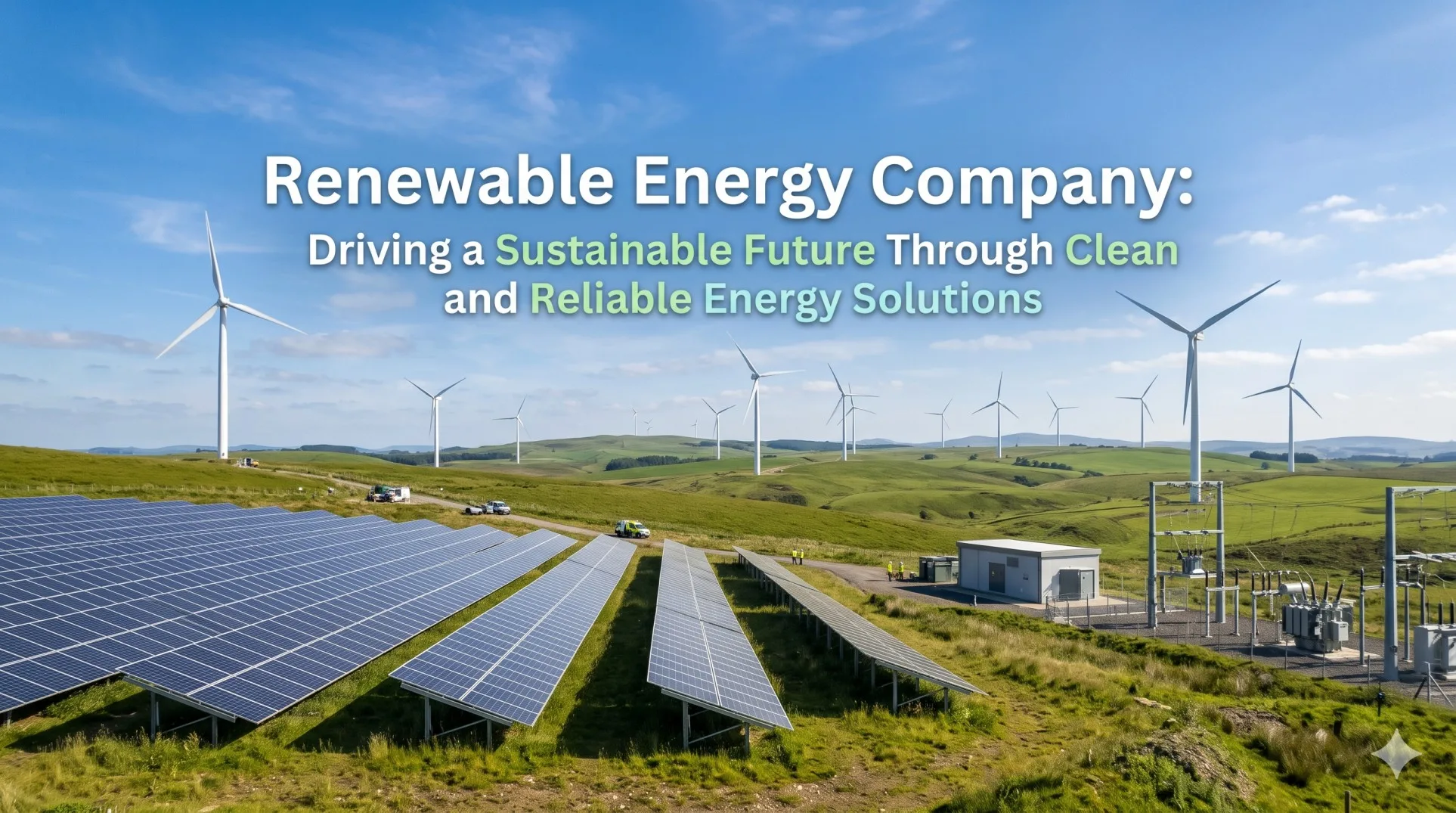
Renewable energy is transforming the way businesses, industries, and households generate and consume electricity. With increasing electricity demand, rising environmental concerns, and the need to reduce dependence on conventional fuels, clean energy solutions have become more important than ever. Solar, wind, and other renewable resources are helping create a sustainable energy ecosystem while supporting long-term economic growth. In this changing environment, choosing the right renewable energy company can help individuals and organisations move towards cleaner, more efficient, and cost-effective power solutions.
India has made significant progress in expanding its renewable energy capacity through government initiatives, technological improvements, and growing private-sector participation. Businesses are increasingly exploring clean energy alternatives to manage electricity expenses, improve energy efficiency, and strengthen their environmental commitments. Orange Circle Energy recognises the importance of this transition and the role that dependable renewable energy solutions can play in building a cleaner and more sustainable future.
Understanding the Role of a Renewable Energy Partner
A renewable energy company does more than supply solar panels or install electrical equipment. It helps customers assess energy requirements, identify suitable technologies, plan costs, coordinate approvals, and maintain systems after installation. A successful project begins by understanding the property's location, available space, electricity consumption, existing infrastructure, and future needs.
Why Renewable Energy Matters for India's Future
India's growing population, expanding cities, and industrial development are increasing electricity demand. Conventional power generation remains important, but dependence on fossil fuels creates environmental and resource challenges. Renewable energy can diversify the energy mix and support a lower-carbon economy.
Solar power is particularly relevant because many parts of India receive substantial sunlight throughout the year. Wind, hydropower, biomass, and emerging technologies can also contribute according to local resources. Wider adoption can deliver several benefits:
- Lower environmental impact: Renewable electricity can reduce greenhouse gas emissions compared with fossil-fuel generation, depending on the technology and its lifecycle.
- Greater energy diversity: Multiple energy sources can reduce dependence on a single fuel and strengthen system resilience.
- Long-term cost planning: Solar installations can help eligible consumers manage exposure to changing tariffs, although savings depend on design, financing, regulations, and actual generation.
- Economic opportunities: Projects create demand for engineering, manufacturing, construction, operations, maintenance, and skilled technical services.
- Responsible business practices: Clean energy adoption can help organisations make measurable progress towards sustainability goals.
Solar Energy Solutions for Homes, Businesses, and Industries
A renewable energy company can adapt solar technology to different property types and consumption requirements. A residential rooftop installation differs from a large industrial plant, so system design must consider load profile, available roof or land area, grid connection, and financial objectives.
Rooftop Solar for Residential and Commercial Properties
Rooftop solar systems use available roof space to generate electricity close to where it is consumed. Homes, offices, schools, hospitals, and commercial buildings may be suitable after assessing structural strength, sunlight, electrical conditions, and local regulations.
A professionally designed system considers panel orientation, shading, inverter capacity, cable routing, safety equipment, and future expansion. Net metering may allow eligible consumers to export surplus electricity, subject to utility rules. As a renewable energy company, Orange Circle Energy offers rooftop solar solutions with regulatory support, helping customers understand the journey from assessment to commissioning.
Industrial and Commercial Solar Installations
Factories, warehouses, manufacturing facilities, and large campuses often have substantial daytime electricity requirements. Captive solar generation can help these organisations meet part of their consumption through a dedicated renewable asset. Planning should examine load patterns, available land or roof area, grid connectivity, operating schedules, and applicable captive-power or open-access regulations.
A renewable energy company such as Orange Circle Energy provides industrial and commercial solar solutions, including captive and open-access options. The suitable structure depends on location, consumption, regulatory eligibility, and commercial priorities. A feasibility study helps establish realistic generation expectations and project economics before investment.
Utility-Scale Solar Power Projects
Utility-scale solar plants generate electricity at a larger scale and connect to the power grid. Development involves land assessment, solar resource analysis, engineering, grid approvals, procurement, construction, and commissioning.
Orange Circle Energy's utility-scale EPC offering covers ground-mounted solar projects and can include land acquisition support, grid connectivity coordination, civil works, and electrical balance-of-plant execution. Careful planning is essential because design or scheduling issues can affect costs, timelines, and performance.
Energy Storage and Reliable Power Management
Solar generation varies with daylight and weather. Battery energy storage systems can store electricity for use when generation is low or demand rises. When integrated appropriately, storage can support backup requirements, peak-demand management, and better coordination between generation and consumption.
A solar-plus-storage solution may suit facilities where interruptions are costly or demand charges are significant. Battery capacity, discharge duration, safety, operating strategy, and replacement costs must be evaluated. Storage is not economical for every site, so technical and financial assessment should guide the decision.
Orange Circle Energy offers battery energy storage and hybrid systems designed around operational requirements. This can help businesses evaluate how renewable generation and storage may work together to improve energy resilience.
Why Professional Solar EPC Services Matter
Engineering, Procurement, and Construction (EPC) coordinates the main stages of a solar project. A capable renewable energy company manages EPC activities and checks that each stage meets agreed specifications.
Important considerations include:
- Site assessment and feasibility: Evaluating shading, roof or land conditions, consumption, structural suitability, and expected solar yield before finalising the design.
- Engineering and system design: Preparing electrical layouts, equipment specifications, safety plans, generation estimates, and financial models suited to the site.
- Equipment procurement: Selecting reliable modules, inverters, mounting structures, cables, and balance-of-system components from suitable suppliers.
- Installation and quality control: Managing site teams, work sequencing, electrical safety, testing, and compliance with relevant standards.
- Commissioning and handover: Completing inspections, grid synchronisation where applicable, performance checks, documentation, and customer orientation.
A structured EPC process improves coordination and gives customers a clearer understanding of responsibilities, milestones, and deliverables.
Operations, Maintenance, and Long-Term Solar Performance
An effective programme may include remote monitoring, site inspections, module cleaning based on local conditions, inverter checks, electrical testing, fault response, and generation reports. Maintenance frequency should reflect the site's environment, equipment recommendations, and contract terms.
Orange Circle Energy provides O&M and annual maintenance contract services that include monitoring, preventive servicing, and performance optimisation. Continued support helps asset owners track plant health and make informed decisions throughout the system's operating life.
How to Choose the Right Renewable Energy Company
Selecting a renewable energy company requires more than comparing quotations. Customers should review technical capability, relevant project experience, service coverage, financial transparency, safety practices, and long-term support. Proposals should use realistic energy estimates rather than unsupported savings promises.
Before signing an agreement, consider these questions:
- Does the provider have experience with projects of a similar size and type?
- Are equipment specifications, warranties, exclusions, and responsibilities documented?
- Does the proposal explain expected generation, assumptions, and financial calculations?
- Can the company support approvals, grid connectivity, and applicable regulations?
- Are monitoring, maintenance, response times, and service terms clear?
- Does the project plan include safety procedures, quality checks, and commissioning?
Compare total ownership costs, including installation, financing, maintenance, and possible component replacement. A transparent proposal helps customers understand both the opportunities and limitations of a project.
Orange Circle Energy: Supporting India's Solar Transition
Orange Circle Energy focuses on designing, building, and operating solar systems for residential, commercial, industrial, and utility-scale requirements. Its website describes a team with more than 700 MW of collective solar experience, over 15 years of average team experience, and transactions exceeding USD 300 million across five countries. The company also reports more than 200 MW of installed capacity across sectors.
Its services include rooftop solar, industrial and commercial solar, utility-scale EPC, battery energy storage, O&M and AMC, and solar consulting. The company highlights engineering quality, transparent communication, selected components, and long-term asset support.
Its published portfolio includes a 55 MWp captive solar plant for Vardhman Special Steels Limited in Bhatinda, Punjab, commissioned in January 2026, and a 42 MWp group captive project for Vardhman Textiles and Vardhman Yarns and Threads listed as under construction. These examples demonstrate industrial applications at significant scale.
For customers exploring solar adoption, Orange Circle Energy's process includes site assessment, design and engineering, procurement, installation, and commissioning. This end-to-end structure coordinates technical work and project execution while keeping energy objectives central.
Conclusion
Renewable energy is becoming important to India's approach to reliable power, responsible growth, and long-term planning. Solar solutions can serve homes, commercial properties, factories, and utility projects when designed around genuine site and consumption requirements. From feasibility and EPC execution to storage and maintenance, every stage influences system value and performance.
Choosing an experienced renewable energy company helps customers evaluate technologies, understand costs, and manage implementation with confidence. With its solar EPC, storage, O&M, and consulting services, Orange Circle Energy aims to support organisations and property owners exploring cleaner energy options. A well-planned transition can deliver practical benefits today while contributing to a sustainable energy future. These investments can strengthen local energy resilience over time.