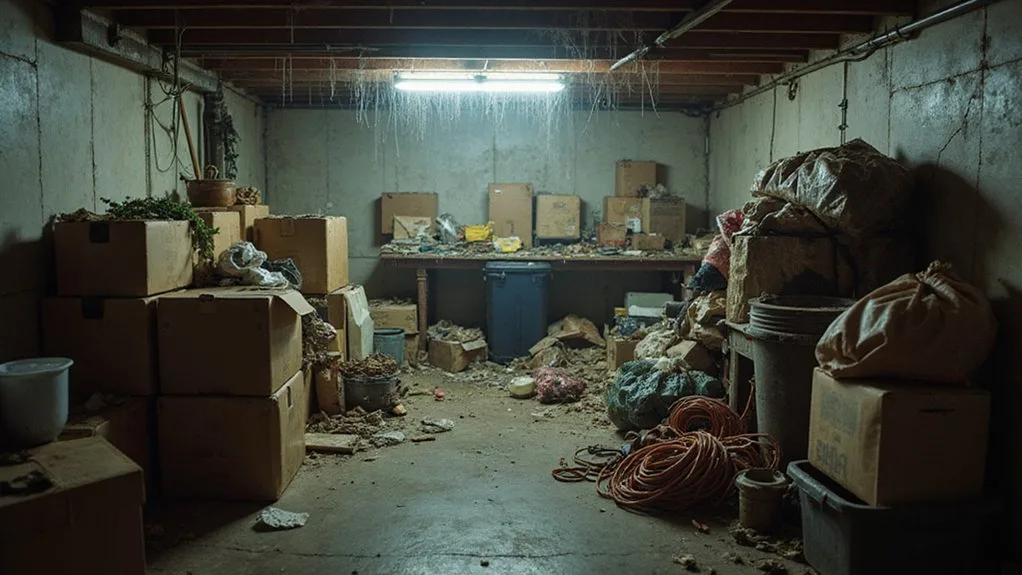
Underground basements are often used as storage areas for items that no longer fit inside the main living space. Over the years, these spaces can become crowded with old furniture, broken appliances, unused boxes, renovation leftovers, and forgotten belongings. Because basements are located below ground level, removing junk from them can be much more difficult than clearing a garage or spare room. Limited access, poor lighting, moisture, and heavy lifting challenges make safety an important part of every basement cleanout project.
Why Basement Junk Removal Is Different
A basement may seem like a simple storage space, but it often presents unique challenges. Unlike rooms on the main floor, underground areas usually have narrow staircases, low ceilings, and limited exits.
These conditions can make moving large items much harder. Heavy objects that have been sitting in the basement for years may also be covered in dust, mould, or moisture damage.
Common items found in basement cleanouts include:
- Old mattresses
- Broken exercise equipment
- Water-damaged furniture
- Unused holiday decorations
- Outdated electronics
- Construction materials
Many homeowners turn to junk removal professionals because basement cleanouts often require extra labour and careful planning.
Start with a Safety Inspection
Before moving anything, take time to inspect the basement.
Look for potential hazards such as:
- Wet floors
- Loose steps
- Low-hanging pipes
- Exposed wires
- Signs of mould
- Pest activity
A quick inspection can prevent accidents during the removal process. If water has entered the basement recently, make sure the area is completely dry before beginning any cleanup work.
Improve Lighting Before You Begin
Many underground basements have limited natural light. Poor visibility makes it easier to trip, miss hazards, or accidentally damage property. Use portable work lights or bright LED lamps to improve visibility throughout the space.
Good lighting helps you:
- Identify obstacles
- Spot damaged items
- Find valuable belongings
- Move safely through narrow areas
Never attempt a large basement cleanout in a poorly lit environment.
Sort Items Before Carrying Them Upstairs
One mistake many people make is moving everything at once without sorting first.
Instead, create simple categories such as:
- Keep: Useful items that are still in good condition.
- Donate: Belongings that can help others but are no longer needed.
- Recycle: Electronics, metal items, and recyclable materials.
- Remove: Damaged, broken, or unusable items.
Sorting before lifting reduces unnecessary work and helps make the cleanup process more efficient. Many junk removal in Miami Florida crews follow a similar process to keep large cleanout projects organised.
Be Careful with Heavy and Bulky Items
We often store some of the heaviest items in a home in our basements.
Examples include:
- Freezers
- Washing machines
- Dryers
- Tool cabinets
- Old sofas
- Pool tables
Moving these items up stairs can be dangerous if done incorrectly.
Always:
- Lift with your legs, not your back.
- Use moving straps when possible.
- Work with a partner.
- Clear the pathway before moving anything.
Trying to move oversized objects alone can result in injuries or damage to walls and staircases.
Watch for Moisture-Damaged Materials
Underground spaces are more likely to experience humidity and water problems.
As a result, stored items may develop:
- Mould growth
- Wood rot
- Rust
- Unpleasant odours
Use protective gloves and a suitable face covering when dealing with mould-affected items to help limit contact with airborne spores and particles. Items that have suffered extensive water damage are often difficult to salvage and may need professional disposal. Many homeowners hire junk removal services for these situations because crews have experience handling damaged materials safely.
Protect Stairways and Entry Points
One of the biggest challenges during basement junk removal is navigating stairs.
Heavy objects can:
- Scratch walls
- Damage handrails
- Chip paint
- Crack door frames
Using padded covers and moving blankets can help shield furniture and other belongings from scratches, dents, and other damage during transport up stairways. Taking a few extra minutes to protect these surfaces can save expensive repair costs later.
Know When Professional Help Is Needed
Some basement cleanouts become too large or complicated for a DIY approach.
Professional assistance may be a better choice when:
- The basement contains extremely heavy items.
- Access points are very narrow.
- Large amounts of debris must be removed.
- There are signs of mould contamination.
- The cleanup involves several rooms.
Experienced junk removal in Miami Florida providers often have specialised equipment and trained crews that can complete difficult basement projects more efficiently and safely.
Tips for a Smoother Basement Cleanout
A little preparation can make the entire process easier.
Helpful tips include:
- Remove small items first.
- Keep walkways clear.
- Use sturdy containers for loose materials.
- Schedule enough time for the project.
- Stay hydrated during heavy lifting.
These simple steps can reduce stress and improve safety.
Final Thoughts
Removing junk from underground basements requires more planning than many people expect. Limited access, heavy items, poor lighting, and moisture-related issues can turn a simple cleanup into a challenging project. By inspecting the area, sorting belongings, protecting stairways, and following proper lifting techniques, homeowners can reduce risks and make the process more manageable.
For larger cleanouts or difficult access situations, professional junk removal services can provide the expertise and manpower needed to remove unwanted items safely. A well-organised basement not only creates more usable space but also helps improve the overall condition and safety of the home.