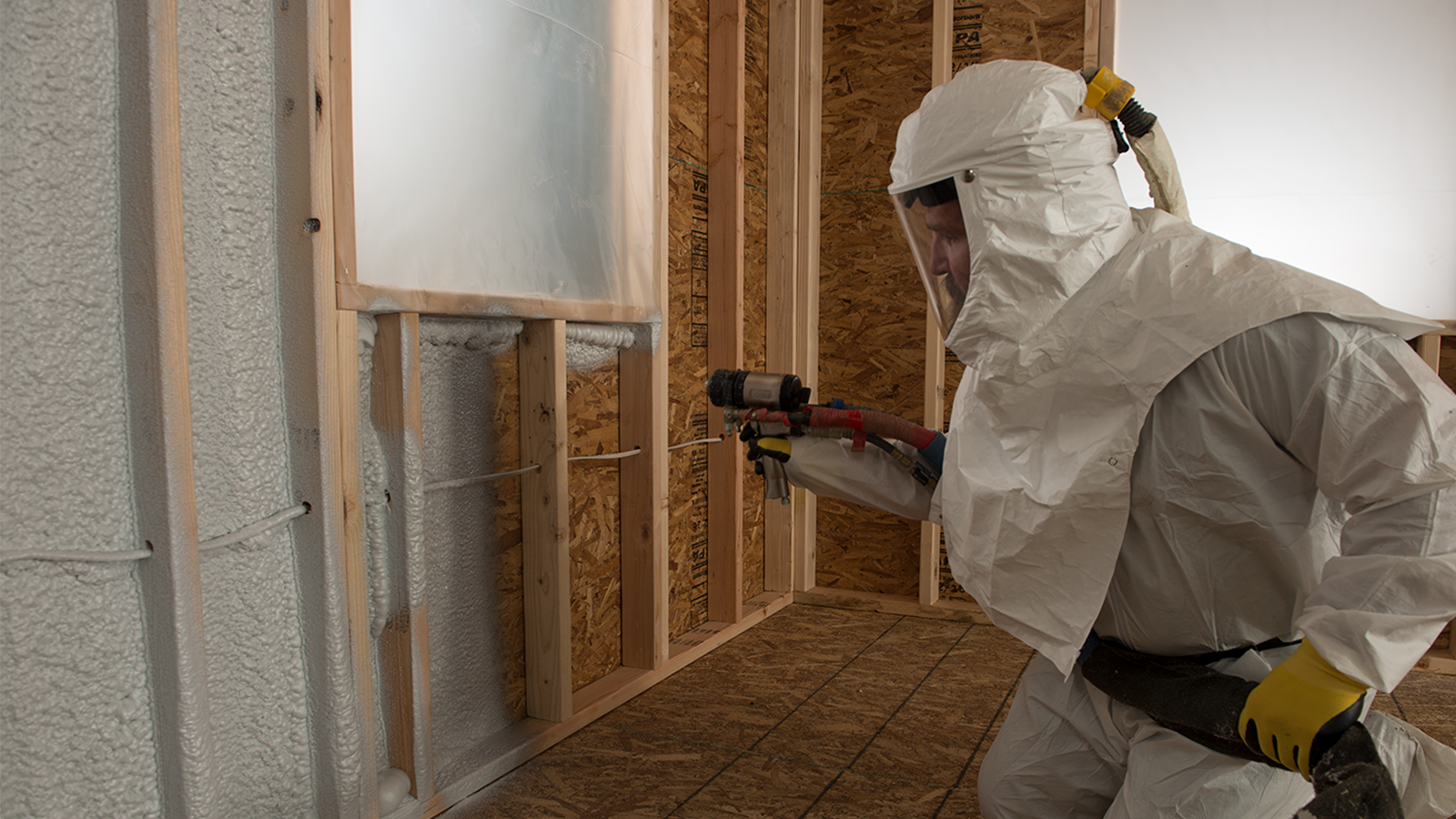
To strengthen insulation with closed cell foam, professionals apply a high-density polyurethane resin that expands and hardens into a rigid, solid plastic. This specific method creates a structural bond that can increase the racking strength of walls by up to 300% while providing a superior thermal barrier.
This guide provides a detailed look at how high-density foam improves building durability and energy performance. You will learn about application techniques, material properties, and the specific ways this technology protects structures from the elements.
Understanding the structural integrity of closed cell foam
Closed cell spray foam is unique because its cells are completely closed and packed with a blowing agent that increases its R-value. When it cures, it becomes a dense, hard material that actually reinforces the surfaces it touches.
Research shows that walls filled with this material have higher resistance to wind and shearing forces. This makes it an ideal choice for areas prone to high winds or heavy storms.
By bonding to the studs and the exterior sheathing, the foam acts like a glue that holds the entire wall assembly together. This added rigidity helps reduce the physical movement of the building over time.
Preparing surfaces for a permanent bond
The strength of the insulation depends heavily on how well the foam sticks to your walls. Dust, moisture, and oil can prevent the foam from creating a reliable seal.
Technicians often use industrial vacuums or compressed air to clean the cavities before starting the spray process. This step is a hallmark of a professional closed cell spray foam insulation contractor.
In colder climates, pre-heating the workspace helps the chemical bond more effectively. This ensures the foam stays in place for decades without sagging or losing its shape.
Improving insulation performance with spray foam through air sealing
Traditional materials like fiberglass allow air to move through them, which carries heat and moisture into your walls. Closed cell foam acts as both insulation and an air barrier.
By sealing every crack and gap, you eliminate the drafts that usually make a building feel cold or uncomfortable. This airtight seal is a primary reason why this material is considered the best insulation for durability.
Market data suggests that buildings with an airtight seal can see energy cost reductions of up to 40% compared to those with standard fiberglass. This makes the initial investment much more cost-effective over the long term.
Stopping vapor transmission
Closed cell foam is a Class II vapor retarder, meaning it stops water vapor from moving through it. This protects your wall studs from rot and mold growth.
Reducing sound transfer
While dense, the foam also helps dampen vibrations and outside noise. This creates a quieter and more peaceful indoor environment for occupants.
Comparing insulation materials for strength and thermal value

Benefits of closed cell insulation in coastal regions
In regions with high humidity and salt air, materials must be able to withstand constant environmental stress. Closed cell foam creates a barrier that prevents corrosive salt-heavy air from reaching the internal structural components.
The rigid nature of the foam also provides a necessary defense against the intense pressure differentials unique to coastal storm surges. It keeps the exterior sheathing from flexing too much under extreme wind stress.
Using an insulation company closed cell foam expert ensures that the application meets local building codes for flood zones. This is often a requirement for properties located near the water.
Bonus Tip: Ask your installer about using "flood-resistant" materials if your property is in a low-lying area to help protect your structural foundation.
Which factors should you check before hiring a professional?
Selecting the right provider is just as important as choosing the right material. You should look for teams that use high-end equipment and maintain clear safety protocols.
Check for certifications from major foam manufacturers, as this shows the crew has been trained on specific chemical mixes. This training ensures they know how to handle different weather conditions.
- Verify the contractor has up-to-date insurance and local licenses.
- Ask for a detailed quote that includes the specific density of the foam being used.
- Look for reviews that mention the cleanliness and punctuality of the crew.
- Ensure the company offers a warranty on both the material and the labor.

Maximizing the lifespan of your foam insulation
Once installed, closed cell foam requires very little maintenance. However, keeping it protected from direct sunlight is necessary as UV rays can break down the plastic over time.
If the foam is applied in an area like a garage or basement, it should be covered with a thermal barrier like drywall. This is a safety requirement that also adds a layer of physical protection.
Periodic checks of the surrounding structure can help you identify any roof leaks or plumbing issues. While the foam is waterproof, the wood it is attached to still needs to stay dry.
Why is closed cell foam a smart long term investment?
The durability of this material means you likely will never have to replace it. Unlike rolls or batts, it does not settle or compress as the years go by.
By strengthening the building envelope, you also reduce the strain on your heating and cooling systems. These units do not have to work as hard, which extends their life and lowers repair costs.
The increase in structural integrity can also boost the resale value of a property. Future buyers value energy efficiency and a building that feels solid and well-built.
Evaluating the total cost against performance gains
Because this material maintains its integrity for decades without the need for replacement or repair, it represents a strategic financial choice. While the upfront cost is higher than other options, the performance gains are much more significant.
You are paying for a multi-purpose product that seals, strengthens, and insulates simultaneously. Most property owners find that the energy savings pay for the upgrade within a few years.
Consider the long-term savings on maintenance and the peace of mind that comes with a rot-resistant wall system. These factors often outweigh the initial price difference.
Is closed cell foam the right choice for your building?
The decision to use this material depends on your specific goals for strength and energy control. If you live in a harsh climate or want the most durable option available, it is the clear winner.
You should assess the current state of your building and identify areas where air leaks or structural weaknesses exist. This helps you prioritize where the foam will have the most impact.
Consulting with an expert allows you to get a customized plan that fits your budget and performance needs. They can help you determine the exact thickness required to meet local energy codes.
Contacting an expert for professional insulation upgrades
When you are ready to improve your property, seeking help from a reputable provider ensures the job is done correctly. Peninsula Insulation offers professional spray foam insulation services tailored to your specific building requirements. They have the tools and the knowledge to handle complex projects and deliver a high-quality finish. You can reach them at (410) 770-2624 or send an email to [email protected] to discuss your project.
Frequently Asked Questions
Does closed cell foam really make a wall stronger?Yes, it hardens into a rigid plastic that bonds to studs and sheathing, increasing structural racking strength significantly.
How long does it take for the foam to cure?Most closed cell foams are tack-free in seconds and fully cured within 24 to 48 hours depending on humidity.
Can this foam be used in existing walls?It is best for new construction or renovations where the wall cavities are open and accessible for spraying.
Is the material safe for indoor air quality?Once fully cured, the foam is inert and does not off-gas, making it safe for the occupants of the building.
Will the foam attract pests like termites?No, closed cell foam provides no food value to pests and acts as a physical barrier that helps deter them.