
Hospitality is no longer defined simply by service or amenities—it is defined by experience. In an era where travelers seek emotional connection, comfort, and authenticity, interior design has become a powerful force in shaping how guests perceive and remember a hotel. Thoughtful interior design has the ability to transform ordinary spaces into meaningful environments, and at the center of this transformation are skilled hotel interior designers.
By blending creativity with strategy, hotel interior designers reimagine hospitality spaces to reflect modern lifestyles, evolving guest expectations, and the unique identity of each property. Their work goes far beyond decoration; it is about designing experiences that engage the senses, support well-being, and leave lasting impressions.
The Changing Landscape of Hospitality Design
The hospitality industry has evolved dramatically over the past decade. Today’s guests expect more than standardized rooms and predictable layouts. They seek personalization, comfort, and environments that feel inspiring yet effortless.
Hotel interior designers respond to these changes by creating spaces that feel flexible, intuitive, and emotionally engaging. Design is no longer static—it adapts to how guests work, relax, socialize, and travel. From open lobbies that double as social hubs to guest rooms designed for both rest and productivity, thoughtful interior design redefines how hotels function.
This evolution reflects a broader shift toward human-centered design in hospitality.
Designing With Purpose and Intent
Thoughtful interior design begins with purpose. Every successful hotel project starts with a clear understanding of the hotel’s vision, target audience, and location.
Hotel interior designers work closely with hotel owners and operators to define what the space should communicate and how it should function. Design choices are made intentionally, ensuring that materials, layouts, lighting, and furnishings support both guest experience and operational efficiency.
Purpose-driven design eliminates unnecessary elements and focuses on what truly matters—comfort, usability, and emotional resonance.
Creating Meaningful First Impressions
First impressions play a critical role in hospitality. The moment guests step into a hotel, they begin forming opinions that influence their entire stay.
Hotel interior designers carefully craft entrance areas and lobbies to feel welcoming and balanced. Instead of overwhelming guests with excessive décor, they focus on spatial flow, warmth, and clarity. Thoughtfully designed lighting, comfortable seating, and curated design elements set the tone for the experience ahead.
A strong first impression builds trust, reduces stress, and creates anticipation.
The Lobby as an Experiential Space
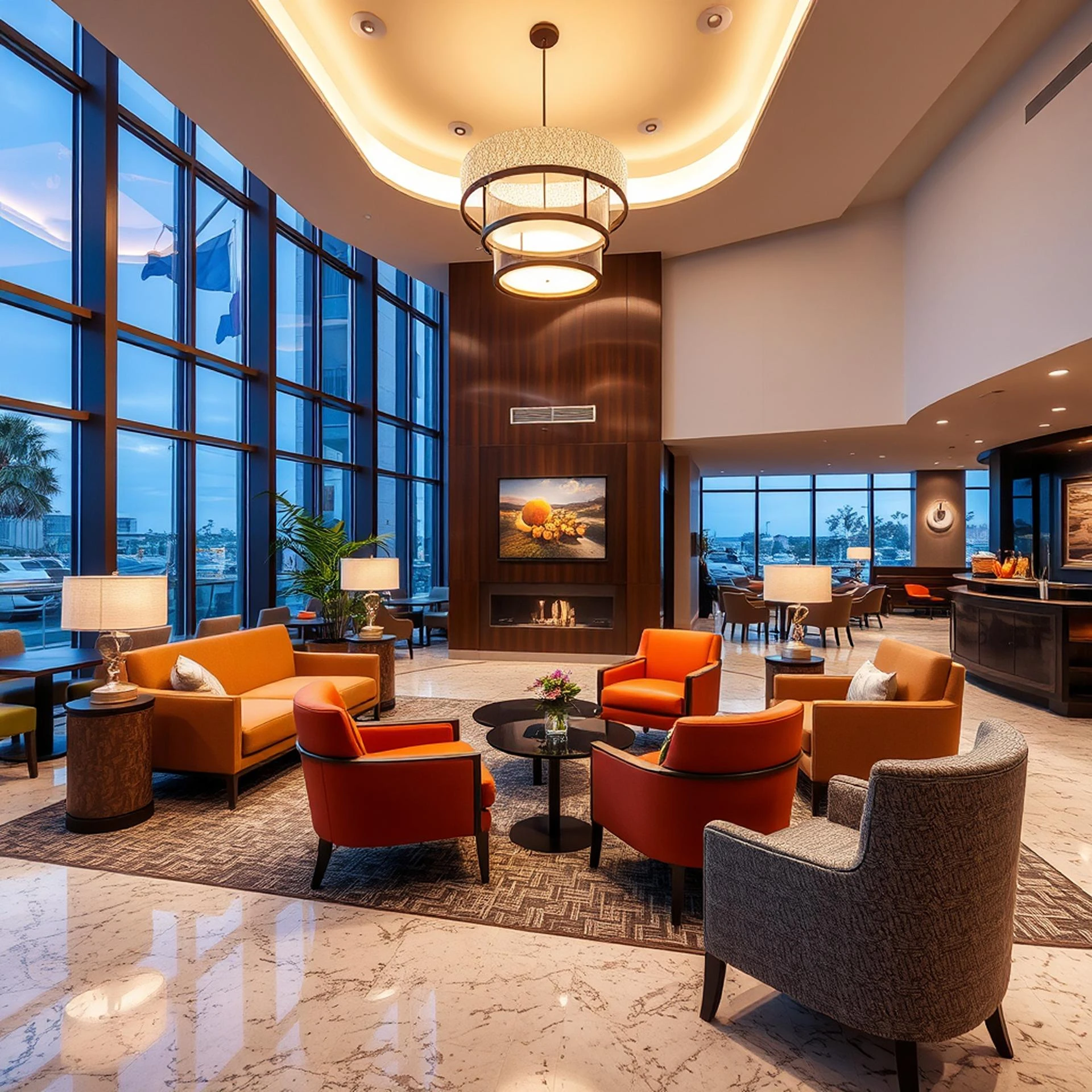
Modern hospitality has redefined the role of the lobby. No longer just a place to check in, the lobby has become a social and experiential hub.
Hotel interior designers design lobbies that support multiple activities—working, socializing, relaxing, and waiting—without feeling cluttered. Flexible furniture, zoned layouts, and layered lighting allow these spaces to adapt throughout the day.
This thoughtful approach encourages guests to spend more time in shared areas, enhancing both guest satisfaction and hotel atmosphere.
Guest-Centered Room Design
Guest rooms are the most personal spaces in a hotel, and thoughtful interior design ensures they feel both comfortable and intuitive.
Hotel interior designers prioritize layout efficiency, ensuring that rooms are easy to navigate and use. Lighting is layered to support different activities, from rest to work. Furniture is selected for comfort and ergonomics, while materials are chosen for durability and tactile appeal.
Design elements such as custom headboards, curated artwork, and warm textures add personality without overwhelming the space. The goal is to create a retreat where guests can relax and feel at home.
Elevating Everyday Comfort
Thoughtful design recognizes that luxury is often found in small details. Hotel interior designers focus on enhancing everyday moments—sleep quality, lighting control, acoustic comfort, and ease of movement.
Soundproofing, blackout solutions, high-quality bedding, and intuitive technology integration all contribute to a sense of ease. When design supports comfort at this level, guests feel cared for without needing to ask.
These subtle enhancements are what turn a good stay into an exceptional one.
Transforming Bathrooms Into Wellness Spaces
Bathrooms have become a key part of the hospitality experience. Thoughtful interior design elevates these spaces from functional areas into personal wellness retreats.
Hotel interior designers use natural materials, soft lighting, and spacious layouts to create calming environments. Walk-in showers, soaking tubs, and premium fixtures enhance comfort and relaxation.
A well-designed bathroom reinforces the hotel’s commitment to guest well-being and quality.
Public Spaces That Foster Connection
Beyond private rooms, thoughtful hospitality design focuses on shared experiences. Public spaces such as lounges, restaurants, and co-working areas play an important role in shaping a hotel’s identity.
Hotel interior designers create these spaces to feel inviting and adaptable. Seating options vary to support both social interaction and privacy, while lighting and acoustics are carefully managed.
These thoughtfully designed environments encourage guests to connect—with each other and with the space itself.
Storytelling Through Design
One of the most powerful aspects of thoughtful interior design is storytelling. Guests are increasingly drawn to hotels that feel authentic and connected to their surroundings.
Hotel interior designers incorporate local culture, history, and materials into the design narrative. This sense of place gives interiors depth and meaning, helping guests feel more connected to the destination.
Storytelling transforms hotels from generic accommodations into memorable experiences rooted in context.
Sustainability as a Core Design Value
Thoughtful interior design also considers environmental responsibility. Modern guests value hotels that demonstrate sustainable practices.
Hotel interior designers integrate sustainability through eco-friendly materials, energy-efficient lighting, water-saving fixtures, and durable furnishings. Natural light and greenery are used to enhance both sustainability and well-being.
Responsible design benefits the environment while adding long-term value to the property.
Balancing Aesthetics and Functionality
A key aspect of thoughtful design is balance. Beautiful spaces must also function efficiently in a hotel environment.
Hotel interior designers collaborate with architects, engineers, and hotel operators to ensure layouts support smooth staff workflows and maintenance needs. Materials are chosen for longevity, and designs are tested against real-world use.
When aesthetics and functionality work together, both guests and staff benefit.
Emotional Impact and Guest Memory
Thoughtful interior design leaves a lasting emotional impression. Guests may not remember every detail, but they remember how a space made them feel.
Hotel interior designers use color, texture, light, and proportion to shape mood and atmosphere. Calm spaces promote relaxation, while vibrant areas encourage energy and interaction.
These emotional responses are what turn a stay into a memory worth revisiting.
The Role of Hotel Interior Designers in Reimagining Hospitality
Reimagining hospitality requires vision, creativity, and expertise. Professional hotel interior designers bring all three to the table.
They understand guest behavior, industry trends, and operational demands, allowing them to design spaces that are both inspiring and practical. Their ability to translate ideas into meaningful environments is what drives innovation in hospitality design.
Creating the Future of Hospitality Experiences
Thoughtful interior design is redefining what hospitality means. It shifts the focus from accommodation to experience, from function to feeling.
Through intentional design choices, hotel interior designers create environments that support comfort, connection, and emotional well-being. These spaces reflect the values of modern travelers and the evolving nature of hospitality.
In reimagining hospitality through thoughtful interior design, hotels do more than host guests—they create experiences that resonate, inspire, and endure.