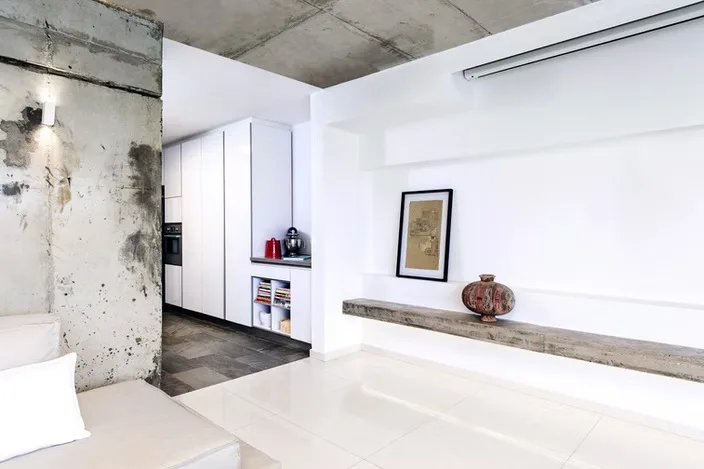
A home's interior can change significantly with the right paint colors. Freshly painted walls can make rooms feel brighter, cover signs of everyday wear, and create a more comfortable atmosphere. Whether you live in an older property or a recently built home, painting is a practical way to update your surroundings without major renovations.
However, choosing paint involves more than finding a color you like. Wall condition, room lighting, surface type, and daily use all influence the final result. A little planning can help you achieve a finish that looks attractive and remains easy to maintain.
Homeowners considering interior painting in Wayne, IL can benefit from understanding these factors before starting a project. From selecting suitable finishes to preparing walls correctly, each step contributes to a cleaner and more lasting result.
How Interior Paint Can Improve Your Living Space
Paint plays an important role in the appearance of a room. Light shades can help smaller spaces feel more open, while darker colors can introduce depth and character. The right combination can also connect furniture, flooring, and decorative features.
A fresh coat of paint can make worn walls look cleaner and more consistent. It may also help refresh rooms that have faded colors, minor scuffs, or outdated finishes.
Select Colors That Suit Each Room
Different rooms have different lighting conditions and purposes. Choosing colors with these factors in mind can help create a balanced interior.
- Living rooms: Warm neutrals and soft whites create a welcoming setting for family gatherings.
- Bedrooms: Muted greens, gentle blues, and earthy shades can support a relaxing atmosphere.
- Kitchens: Cream, light gray, and other versatile colors pair well with many cabinet styles.
- Hallways: Lighter shades can make narrow or dim spaces feel more spacious.
- Home offices: Subtle, balanced colors can create a comfortable environment for focused work.
Test paint samples on your walls before making a final decision. Observe them in natural daylight and under artificial lighting, as colors can appear different throughout the day.
Why Proper Wall Preparation Matters
Even high-quality paint may not look good when applied to an unprepared surface. Dust, grease, loose paint, and damaged drywall can affect how evenly the new coating adheres.
Start by cleaning the walls and allowing them to dry. Fill small holes, repair cracks where appropriate, and sand rough patches to create a smoother surface.
Primer is useful when covering strong colors, painting repaired areas, or dealing with certain stains. The correct primer can improve coverage and help create a more consistent finish.
Protect floors, furniture, electrical fixtures, and nearby surfaces before painting begins. Taking these precautions can reduce cleanup and prevent accidental paint marks.
Choosing Paint Finishes for Better Results
Paint finish affects both appearance and cleaning requirements. Selecting the right option can help your walls suit the way each room is used.
Common Interior Paint Finishes
- Matte: Offers a low-sheen appearance and can help disguise minor surface imperfections.
- Eggshell: Provides a soft finish suitable for many bedrooms and living areas.
- Satin: Offers greater washability for busy spaces that need regular cleaning.
- Semi-gloss: Works well for trim, doors, and other surfaces that benefit from a more durable, washable coating.
Consider the condition of your walls before selecting a finish. Shinier paints can highlight surface imperfections, so smooth preparation is especially important.
It is also helpful to compare paint coverage, durability, and cleaning instructions. The best product is one that suits the surface and the room's everyday demands.
When Is Professional Interior Painting Worth Considering?
Painting a small room may be manageable as a DIY project. However, larger interiors, high ceilings, detailed trim, and extensive wall repairs can require more time, equipment, and experience.
Professional painters can assist with preparation, even paint application, clean edges, and project planning. They may also identify surface problems that should be addressed before applying a new coating.
For homeowners comparing local painting options, infodetailpainting offers a starting point for exploring painting services. Reviewing the website and discussing your requirements can help you understand whether the available services match your needs. Ask for a written estimate that explains preparation, materials, labor, and expected completion time.
Planning Your Painting Project in Wayne
A clear plan can help prevent unnecessary delays and unexpected expenses. Begin by deciding which rooms need attention and whether you want to maintain the existing colors or create a different look.
Measure the areas to estimate paint requirements, allowing for multiple coats when needed. Set a budget that includes paint, preparation materials, repairs, and professional labor if applicable.
Before work begins, move furniture away from walls and ensure the room has suitable ventilation. Follow product instructions for drying and recoating times, and allow the paint to cure before placing furniture against freshly painted surfaces.
For homes in Wayne, seasonal temperature and humidity can also affect drying conditions. Following the paint manufacturer's recommendations helps support proper application and a durable finish.
Conclusion
Interior painting offers a straightforward way to refresh your home, improve the appearance of worn walls, and create rooms that better reflect your personal style. Careful color selection, thorough preparation, and suitable paint finishes all contribute to a successful project.
Whether you are updating one bedroom or repainting several rooms, taking time to plan the work can make the process easier. With the right approach, homeowners in Wayne, Illinois, can enjoy cleaner, brighter, and more inviting interiors.
Frequently Asked Questions
1. How many coats of paint do interior walls need?
Most projects require one or two coats, depending on the existing color, paint quality, surface condition, and coverage. Major color changes or uneven surfaces may require additional preparation or coats.
2. What is the best paint finish for interior walls?
Eggshell and satin are popular choices for many homes. Eggshell offers a subtle sheen, while satin is generally easier to clean. Matte may suit rooms where hiding minor wall imperfections is a priority.
3. How can I prepare my home before interior painting?
Remove small items and decorations, move furniture away from walls, and protect floors and remaining furniture. Discuss wall repairs, surface cleaning, and furniture protection with your painter before work starts.