In the ever-evolving landscape of fitness, some practices stand the test of time by continually proving their effectiveness. Reformer Pilates is one such method. Often perceived as graceful and low-impact, this form of exercise holds remarkable power when practiced consistently. Whether you're an athlete looking to fine-tune your performance or a beginner aiming to improve posture and flexibility, reformer Pilates classes might just be the game-changer your fitness routine needs.
What Is Reformer Pilates?
Before diving into the benefits and structure of reformer Pilates classes, it's essential to understand what makes them unique.
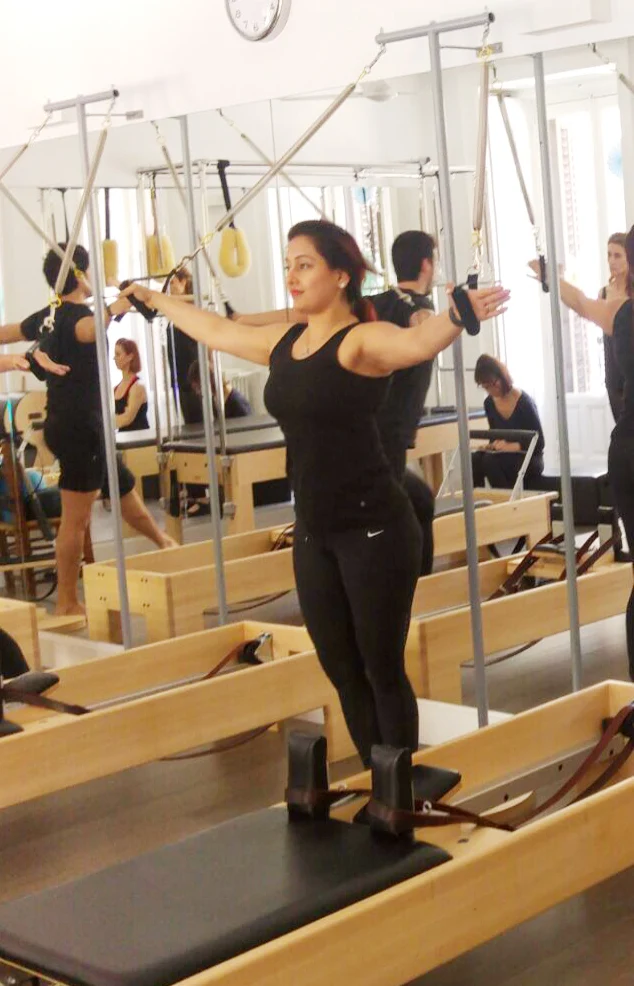
Reformer Pilates is a form of Pilates performed on a specialized piece of equipment called the reformer. This machine includes a flat platform (carriage) that rolls back and forth on wheels within a frame. It uses a system of springs, straps, and pulleys to create resistance, allowing for a wide range of exercises that target different muscle groups.
Unlike mat Pilates, where you rely primarily on body weight for resistance, reformer Pilates introduces variable resistance and support, enabling more precise movement and enhanced results.
Who Can Join Reformer Pilates Classes?
The beauty of reformer pilates classes lies in their adaptability. These classes cater to a diverse range of participants:
- Beginners looking to build foundational strength and improve posture.
- Athletes wanting to enhance performance and prevent injuries.
- Seniors seeking gentle, joint-friendly movement.
- Post-rehabilitation individuals recovering from injuries under professional guidance.
- Fitness enthusiasts eager to add variety to their routine.
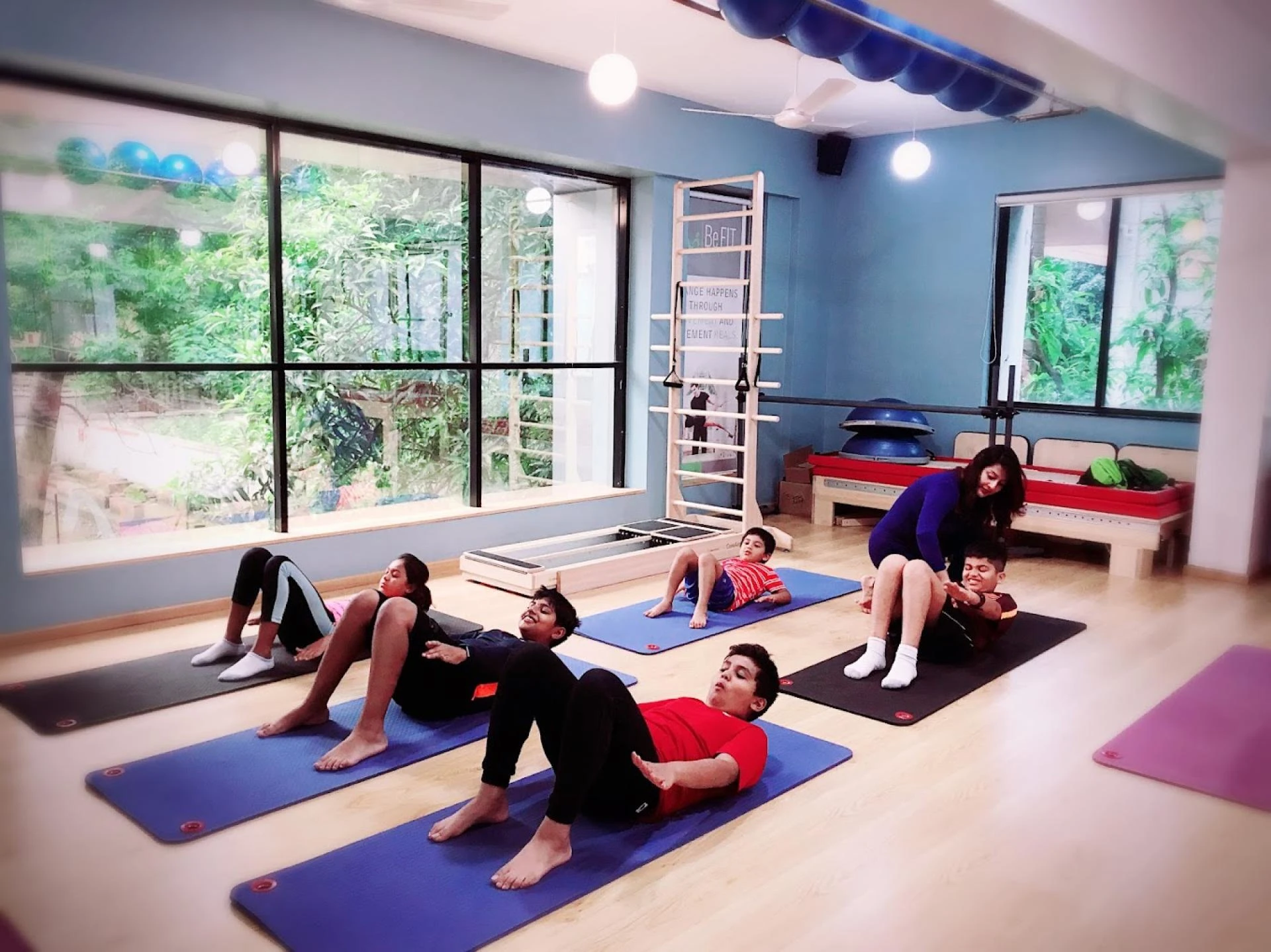
Instructors usually modify exercises to accommodate individual fitness levels and goals, making classes inclusive and accessible.
What Happens in a Typical Class?
A standard reformer Pilates class usually runs for about 45 to 60 minutes. The session starts with gentle warm-up movements to activate the core and stabilize the spine. Then, the real work begins—exercises targeting the legs, arms, core, and back using the reformer machine’s features.
You’ll find yourself pushing the foot bar, pulling the straps, and using controlled breathwork to coordinate movements. Each move is deliberate, focusing on alignment, control, and muscle engagement.
Unlike high-intensity workouts that leave you gasping for air, reformer pilates classes offer a more mindful, focused approach. You finish feeling strong, stretched, and centered—not depleted.
Benefits of Reformer Pilates Classes
Let’s explore why so many people are turning to reformer Pilates for both physical and mental wellbeing:
1. Full-Body Strengthening
Despite its elegant appearance, reformer Pilates is no walk in the park. It works every muscle group—often simultaneously. The reformer's resistance challenges muscles in new ways, promoting balanced development and deep core strength.
2. Improved Flexibility
The flowing movements and stretches built into reformer exercises enhance joint mobility and muscle elasticity. Over time, participants often notice better posture, reduced stiffness, and greater ease in everyday movements.
3. Better Posture and Alignment
Modern lifestyles often lead to rounded shoulders, slouched backs, and tight hips. Reformer Pilates addresses these imbalances by strengthening the postural muscles and retraining body awareness.
4. Injury Prevention and Rehabilitation
Many physical therapists recommend reformer pilates classes as part of injury recovery. The support and control offered by the machine reduce strain on joints while still allowing effective movement, making it ideal for people recovering from surgeries or chronic pain.
5. Low-Impact Yet Challenging
For those with joint issues or looking for an effective workout that’s easy on the body, reformer Pilates provides intensity without impact. You’ll sweat and feel the burn—without jumping or pounding your joints.
6. Mind-Body Connection
At the heart of Pilates is the principle of control. Every movement is performed with intention, demanding mental focus and body awareness. This mindful approach not only enhances results but also promotes stress relief and mental clarity.
How to Choose the Right Class for You
When it comes to reformer pilates classes, not all are created equal. Here’s how to pick one that suits your needs:
- Class Size: Smaller groups mean more personalized attention. This is crucial, especially for beginners.
- Instructor Experience: Look for instructors with formal Pilates certification and a strong understanding of anatomy.
- Class Level: Beginners should opt for intro classes to build technique before advancing to intermediate or athletic sessions.
- Studio Atmosphere: Cleanliness, comfort, and a supportive environment go a long way in making you feel welcome and motivated.
Myths and Misconceptions
Despite its growing popularity, reformer Pilates is still surrounded by a few misconceptions:
- “It’s only for women.” While it’s true that many women enjoy reformer Pilates, the method benefits all genders equally. Many male athletes use Pilates to boost performance and prevent injuries.
- “It’s too easy.” Think again. The controlled movements are deceptively challenging. Even seasoned gym-goers often find themselves surprised at how demanding a class can be.
- “You need to be flexible to start.” Flexibility is a result of Pilates, not a prerequisite. Everyone begins at their own level, and improvements come with time and consistency.
How Often Should You Attend?
For noticeable results, attending reformer pilates classes 2 to 3 times per week is ideal. This frequency allows you to build strength and flexibility while giving your body enough time to recover. As you progress, you may increase the intensity or number of sessions, but even once a week can make a difference when done consistently.
Reformer Pilates vs. Traditional Workouts
If you’re debating between reformer Pilates and more traditional fitness methods like weightlifting or cardio, the answer might lie in your goals.
- Want to build big muscle mass? Stick with weights.
- Want a balanced, strong, flexible body with improved posture? Reformer Pilates is the way to go.
That said, these methods don’t have to be mutually exclusive. Many people use reformer Pilates to complement other forms of exercise, creating a holistic routine that supports longevity and functional fitness.
Final Thoughts
Whether you’re dealing with back pain, recovering from an injury, or simply looking for a smarter way to stay fit, reformer pilates classes offer something truly special. This unique blend of strength, stretch, and control builds not just a better body, but a better connection to your body.
It's not about doing more—it's about doing it right. In a world of chaotic fitness trends, reformer Pilates is a quiet revolution. One breath, one movement, one class at a time.