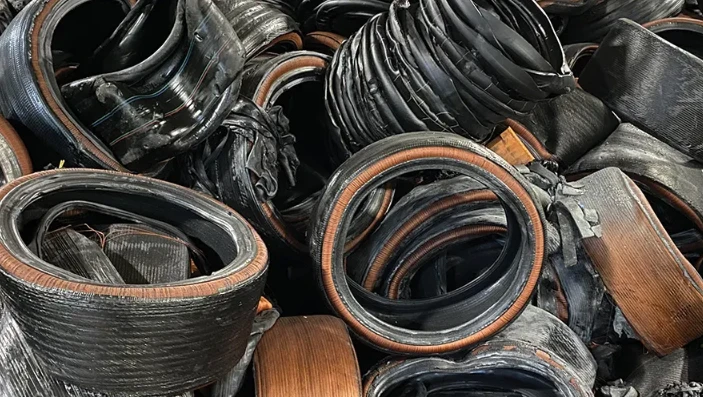
Layered plastics are made up of a spread of materials, like plastic films, metal, and paper. This makes it hard to recycle them. These materials make packaging stronger and last longer, but it's hard to recycle them because they're mixed. It's too hard to recycle many multilayer plastics, thus they're thrown away or destroyed.
What Types of Plastics Are Considered Hard to Recycle?
Food pouches, sachets, laminated cellophane, and composite containers are all made from plastic, which is exceedingly hard to recycle. Most of the time, this stuff is hard to recycle because it's made from layers. These homes are challenging to recycle because they're made from cheap materials. Recycling that's mostly done by machines only works on clean plastics that are all made from a equivalent material. They need to be fused, making it very hard and dear to separate them again. This is often very true when using ordinary recycling equipment that can't handle these sorts of challenges.
New ways to recycle, like chemical separation, solvent-based recycling, and improved depolymerisation, are making an enormous difference. These new innovative recycling technologies break polymers down into the tiny parts that make them up. This makes it simple to get useful substances back and use them again.
How Are New Technologies Improving Multilayer Plastic Recycling?
These new technologies make it much easier to retrieve materials than older recycling methods. Recycling rates have gone up since they will take both dirty and clean plastics. The items that are recovered are also of upper quality and meet the standards for reuse in business. This is often good for the environment and helps recycling work better.
What Role Do Automation and AI Play in Plastic Recycling?
AI-based sorting systems use sensors and machine learning to recycle better by correctly identifying and separating plastics that are challenging to recycle. This enlargement makes things go faster and lowers the amount of pollutants. Once you need to affect things that are hard to recycle, it is also quite important to use automated methods. These methods help recycling centres handle tougher plastic waste more often since they create fewer mistakes and require less labour from staff. Recycling is a lot easier and takes a lot less time once you use smart sorting tools and cost-saving recycling technology.
Can Advanced Recycling Solutions Reduce Operational Costs?
Recycling costs less since it uses less energy, generates less trash, and recycles more materials. By turning polymers that are hard to recycle into usable feedstock, the recycling sector will make money in innovative ways. When recycling centres are cheap to run, they're more likely to be built and easier to grow. This suggests that there are more places where new ways to recycle plastic are often used.
What Does the Future Hold for Recycling Multilayer Plastics?
When new ways to recycle are found, it'll be possible to recycle more and more sorts of plastic trash. A lot of individuals will have to work together to form a circular economy succeed. For instance, manufacturers, recyclers, and governments will have to work together to spot ways to reuse plastics that buyers generally throw away.