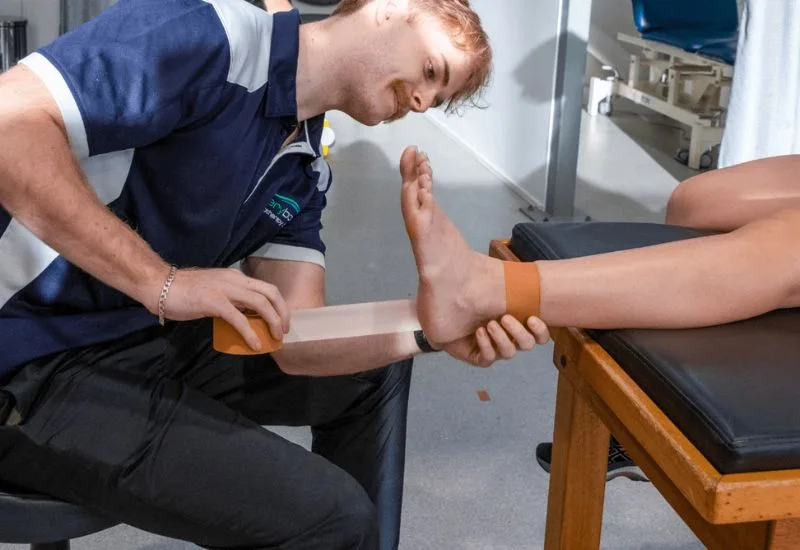

An anterior cruciate ligament (ACL) injury can significantly affect knee stability, mobility, and overall quality of life. While many ACL injuries can be managed with rehabilitation, severe tears often require ACL surgery to restore knee function and help patients return to their daily activities or sports. Although blood transfusion is not a routine part of ACL surgery, it plays an important role in specific situations where blood loss or pre-existing medical conditions require additional support.
Understanding how these two treatments are connected can help patients feel better prepared before surgery and recovery.
When Does an ACL Injury Require Surgery?
The ACL is one of the major ligaments that stabilises the knee joint. It commonly tears during sports that involve sudden stops, jumping, pivoting, or changes in direction. Road accidents and falls can also result in ACL injuries.
Not every ACL tear needs surgery. However, ACL surgery is often recommended when:
- The ligament is completely torn.
- The knee repeatedly feels unstable.
- There is damage to other knee structures, such as the meniscus or cartilage.
- The patient wishes to return to sports or physically demanding work.
- Conservative treatment fails to restore normal knee function.
An orthopaedic specialist evaluates the injury through a physical examination and imaging tests before recommending the most suitable treatment.
What Happens During ACL Surgery?
Modern ACL surgery is usually performed arthroscopically, using small incisions and a camera-guided surgical technique.
During the procedure, the damaged ligament is replaced with a tendon graft obtained either from the patient's own body or from a donor. The graft acts as a new ligament, helping restore knee stability and function.
Arthroscopic surgery generally causes less tissue damage, smaller scars, and faster recovery compared to traditional open surgery.
Preparing for ACL Surgery
Proper preparation before surgery improves both safety and recovery.
Your healthcare team may recommend:
- Blood tests
- Knee MRI
- Physical examination
- Assessment of existing medical conditions
- Medication review
- Prehabilitation exercises to strengthen surrounding muscles
These evaluations help ensure that the patient is fit for surgery and reduce the likelihood of complications.
Is Blood Transfusion Required During ACL Surgery?
One of the common concerns patients have is whether a blood transfusion will be required during ACL surgery.
For most routine arthroscopic ACL reconstruction procedures, blood loss is minimal, and blood transfusions are usually not required.
However, there are certain situations where a blood transfusion may become necessary, including:
- Complex knee reconstruction involving multiple ligament injuries.
- Unexpected bleeding during surgery.
- Patients with severe pre-existing anaemia.
- Major trauma cases involving multiple fractures and ligament injuries.
The decision is made only after careful medical evaluation and when the expected benefits outweigh the risks.
What Is a Blood Transfusion?
A blood transfusion is a medical procedure in which donated blood or specific blood components are transferred into a patient's bloodstream through an intravenous (IV) line.
Depending on the patient's needs, doctors may transfuse:
- Red blood cells to improve oxygen delivery.
- Platelets to help control bleeding.
- Plasma to replace clotting factors.
Every donated blood unit undergoes extensive screening and compatibility testing before being used, ensuring patient safety.
Why Might Blood Transfusion Be Needed?
Although uncommon during standard ACL reconstruction, blood transfusion may support recovery in selected patients.
Individuals who have experienced major accidents often sustain multiple injuries in addition to ACL tears. In such cases, blood transfusion helps replace blood loss, improve circulation, and stabilise the patient's condition before or after surgery.
Patients with chronic anaemia may also require blood optimisation before undergoing surgery to reduce operative risks.
Safety Measures During Blood Transfusion
Modern blood transfusion services follow strict safety protocols.
Before transfusion, healthcare professionals:
- Confirm the patient's blood group.
- Perform compatibility testing.
- Screen donated blood for infectious diseases.
- Monitor patients continuously throughout the procedure.
These measures make blood transfusion one of the safest supportive treatments in modern healthcare.
Recovery After ACL Surgery
Recovery following ACL surgery is a gradual process that combines healing with rehabilitation.
Patients usually begin gentle movement exercises soon after surgery under the guidance of a physiotherapist.
As recovery progresses, rehabilitation focuses on improving:
- Knee flexibility
- Muscle strength
- Balance
- Joint stability
- Functional movement
Depending on the patient's progress, walking without support, returning to work, and resuming sports occur at different stages of rehabilitation.
Completing the recommended physiotherapy programme is essential for achieving the best long-term outcome.
Supporting Recovery Through Comprehensive Care
Successful ACL treatment involves more than surgery alone.
Patients benefit from coordinated care that includes orthopaedic surgeons, anaesthesiologists, physiotherapists, rehabilitation specialists, radiologists, and nursing professionals.
If a blood transfusion is required due to trauma or anaemia, blood bank specialists also become an important part of the multidisciplinary team, ensuring safe and timely supportive care.
Choosing the Right Hospital for ACL Surgery
Selecting a hospital with experienced orthopaedic surgeons, advanced arthroscopic technology, modern operation theatres, physiotherapy services, emergency trauma care, and an in-house blood bank can significantly improve patient outcomes.
Hospitals equipped to manage both routine and complex orthopaedic procedures provide comprehensive care throughout diagnosis, surgery, rehabilitation, and follow-up.
Conclusion
Most patients undergoing ACL surgery will not require a blood transfusion, as modern arthroscopic techniques involve minimal blood loss. However, in complex trauma cases or patients with significant anaemia, blood transfusion can provide vital support before, during, or after surgery. Understanding the role of both treatments helps patients approach surgery with realistic expectations and confidence. Consulting an experienced orthopaedic team ensures personalised care, safer treatment, and a structured recovery plan tailored to individual needs.