Quick Overview
Recovery and healing are important parts of getting Full Arch Dental Implants. Many patients feel nervous about what happens after surgery. Knowing what to expect can reduce stress and help healing go smoothly. This blog explains the healing process in simple terms. It covers the first few days, the weeks that follow, and long-term recovery. It also shares helpful tips and real data so patients can feel confident and prepared.
Table of Contents
- What Are Full Arch Dental Implants
- Why Healing Time Matters
- The First 24 to 72 Hours After Surgery
- The First Two Weeks of Recovery
- Long Term Healing and Bone Fusion
- Eating and Daily Activities During Recovery
- Common Healing Symptoms
- How Long Recovery Usually Takes
- Tips for a Smooth Healing Process
- Conclusion
What Are Full Arch Dental Implants
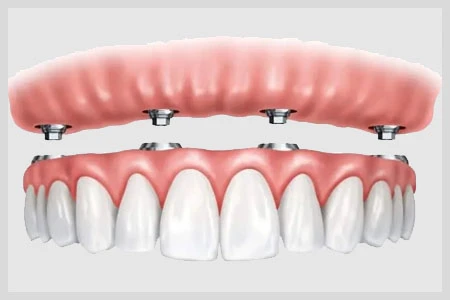
Full arch implants replace an entire row of missing teeth using a fixed set of teeth supported by dental implants. Instead of replacing teeth one by one, several implants support a full arch of teeth. This treatment restores chewing, speaking, and appearance.
Patients who have lost most or all teeth often choose this option because it feels stable and natural. Full mouth dental implants also help protect the jawbone and prevent further bone loss over time.
Why Healing Time Matters
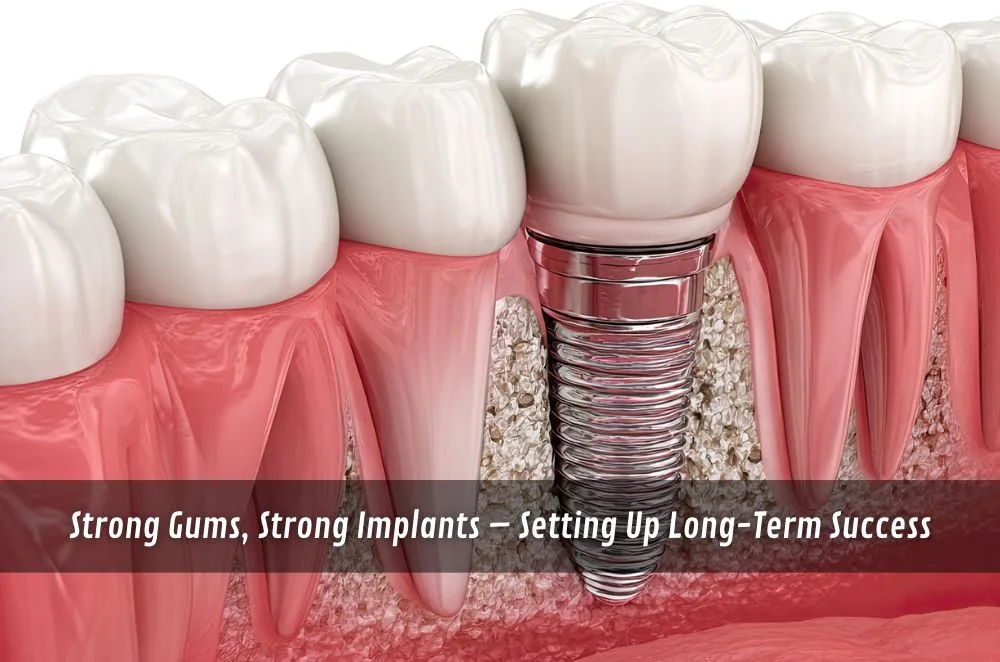
Healing time is important because the implants must bond with the jawbone. This process is called osseointegration. During this time, the bone grows around the implant and holds it firmly in place.
If healing is rushed or aftercare is ignored, implants may fail. Studies show that dental implants have a success rate of over 95 percent when patients follow proper recovery steps. Giving the body time to heal improves comfort and long-term results.
The First 24 to 72 Hours After Surgery
Swelling and mild pain are common just after the surgery and it may last for a few days. Some patients also notice bruising around the mouth or jaw. These symptoms are normal and should slowly improve.
Dentists often recommend rest during this time. Ice packs can help reduce swelling. Pain medicine and antibiotics may be prescribed to manage discomfort and prevent infection. Patients are advised to avoid heavy activity during these first days.
The First Two Weeks of Recovery
During the first two weeks, swelling continues to decrease and the mouth starts to heal. Stitches, if used, may dissolve or be removed during a follow-up visit.
Soft foods are very important during this stage. Foods like soup, mashed vegetables, eggs, and yogurt help avoid pressure on the implants. Patients should avoid chewing hard foods, using straws, or smoking, as these can slow healing.
Oral hygiene is still important. Gentle brushing and rinsing help keep the area clean without disturbing the implants.
Long Term Healing and Bone Fusion
Long-term healing takes several months. The implants slowly fuse with the jawbone, creating a strong foundation. This stage may last three to six months, depending on the patient’s health and bone quality.
During this time, many patients wear a temporary set of teeth. These allow normal daily activities while healing continues. Regular dental visits help ensure everything is healing as planned.
Research shows that bone fusion is stronger when patients avoid smoking and maintain good oral hygiene.
Eating and Daily Activities During Recovery
Eating habits play a big role in healing. A soft diet is needed for several weeks. As healing progresses, patients can slowly return to firmer foods with guidance from their dentist.
Patients can get back to their normal routine within a few days. Light walking is fine, but intense exercise should be avoided for at least one to two weeks. Rest allows the body to heal faster and reduces the risk of complications.
Common Healing Symptoms
Some symptoms during recovery are normal. These include mild pain, swelling, tenderness, and slight bleeding. These symptoms should improve over time.
However, severe pain, heavy bleeding, or signs of infection should not be ignored. Patients should contact their dental provider if something does not feel right. Early care helps prevent bigger problems later.
How Long Recovery Usually Takes
Most patients feel much better after two weeks. However, full healing takes several months. Bone fusion is gradual and happens beneath the gums.
By the time final teeth are placed, most patients feel comfortable and confident. Studies show that most people return to normal eating and speaking within a few weeks, with full strength developing over time.
Patience during recovery leads to better results and longer-lasting implants.
Tips for a Smooth Healing Process
Following instructions is the best way to heal well. Patients should take prescribed medications, attend follow-up visits, and keep the mouth clean.
Avoid smoking, alcohol, and hard foods during early healing. Staying hydrated and eating nutritious foods supports the body’s healing process.
Rest, proper care, and communication with the dental team make recovery easier and safer.
Concluding words
Recovery after Full Mouth Dental Implants takes time, but it is manageable with proper care. Understanding each stage helps patients feel prepared and confident. Healing leads to a strong, stable smile that can last for many years.
For expert guidance and personalized care, Precision Dental and Implant Center supports patients through every step of the healing process. Schedule a consultation to learn how full arch implants can restore comfort, function, and confidence.