
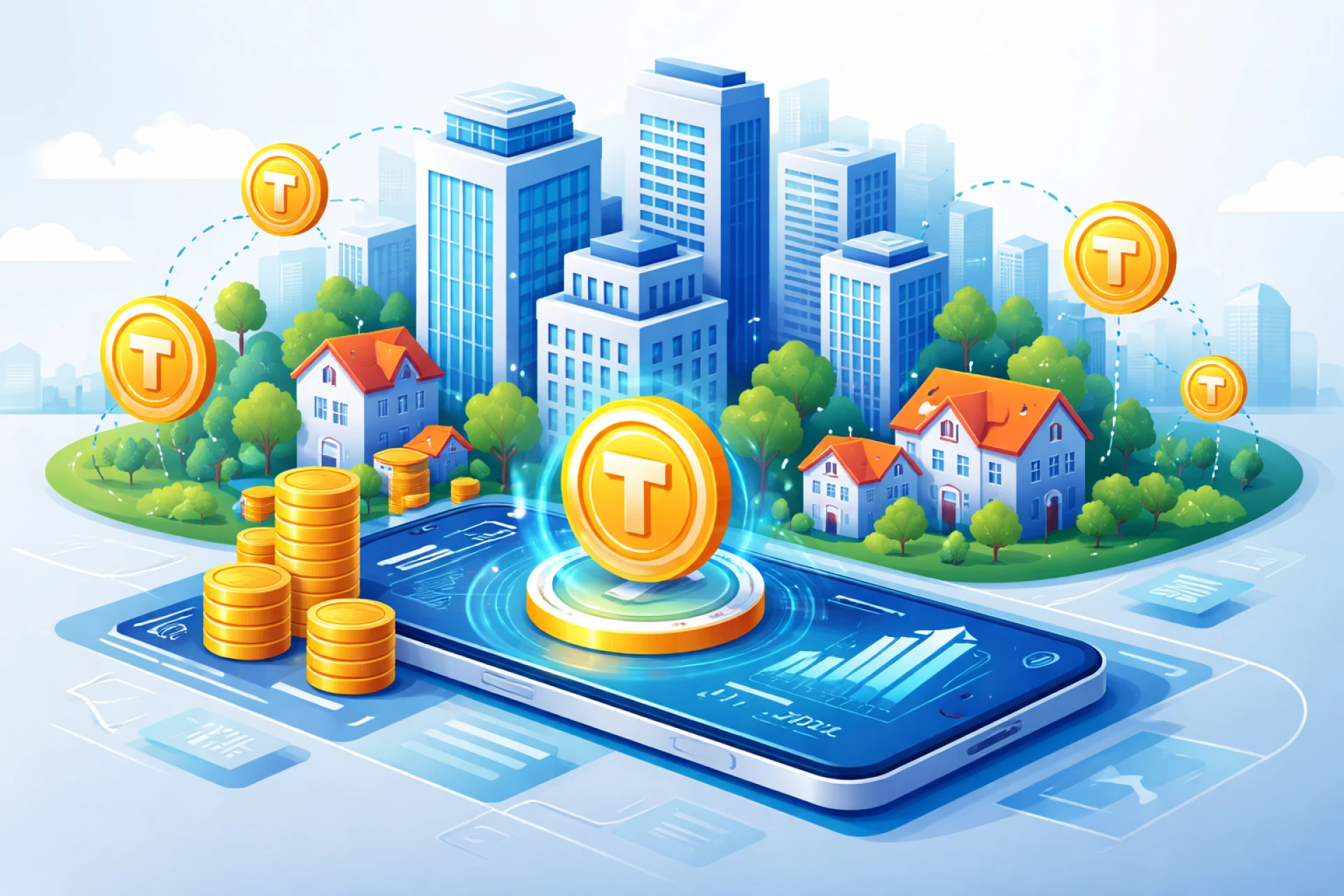
Real estate has always been seen as a stable investment option, yet it has often remained limited to those with significant capital. Over time, this perception has started to shift due to digital innovations that make ownership more flexible. One of the most discussed developments in recent years is real estate asset tokenization. This concept allows physical properties to be divided into digital units that can be owned by multiple investors.
Real Estate Tokenization is gaining attention because it introduces a different way of thinking about property ownership. Instead of purchasing an entire asset, investors can buy fractions, making entry more accessible. This shift has encouraged many businesses to consider Real Estate Tokenization Platform Development as part of their long-term strategy.
Understanding this concept from the ground up is important before making any investment or business decision. Many people hear about tokenization but do not fully grasp how it works, what risks are involved, and what infrastructure is required to support it.
What Real Estate Asset Tokenization Means
Real estate asset tokenization refers to the process of converting ownership rights in a property into digital tokens recorded on a blockchain. Each token represents a share of the asset, and investors can buy, sell, or hold these tokens just like other digital assets.
In simple terms, imagine a commercial building divided into thousands of digital units. Instead of one owner, multiple investors hold portions of the property. These units are issued through a digital platform developed by a Real Estate Tokenization Development company.
The concept is not just about digitization but about changing how ownership is structured. Traditional ownership involves paperwork, intermediaries, and long transaction times. Tokenization shifts this into a digital framework where records are stored securely and transactions can happen faster.
Why Tokenization Is Gaining Attention
The growing interest in Real Estate Tokenization is not without reason. Several factors have contributed to its adoption across different regions.
One major factor is accessibility. Property investment has often required large upfront capital, making it difficult for smaller investors to participate. With tokenization, individuals can invest smaller amounts and still gain exposure to high-value properties.
Another reason is liquidity. Real estate has historically been an illiquid asset, meaning it cannot be easily sold. Tokenization allows investors to trade their shares in secondary markets, depending on platform design and regulations.
In addition, the role of Real Estate Tokenization Services has expanded as businesses look for structured ways to digitize assets. These services include legal structuring, token issuance, and platform integration.
How the Tokenization Process Works
Understanding the process helps in evaluating whether this model fits your needs. Real estate asset tokenization follows a series of steps that convert a physical property into digital tokens.
First, the property is selected and evaluated. This includes legal verification, valuation, and ownership documentation. After this, a legal structure is created to represent the asset digitally. This could involve forming a special purpose vehicle that holds the property.
Next comes token creation. A Real Estate Tokenization Development company develops smart contracts that define ownership rules, distribution of income, and transfer conditions. These tokens are then issued to investors through a platform.
Once issued, tokens can be managed, traded, or held by investors. Real Estate Tokenization Platform Development plays a major role here, as the platform must support user access, compliance checks, and transaction tracking.
Types of Properties That Can Be Tokenized
Not all properties are treated the same in tokenization. Different types of real estate assets can be digitized based on demand and feasibility.
Residential properties are among the most common. These include apartments, villas, and housing complexes. Tokenization allows multiple investors to participate in rental income and appreciation.
Commercial properties such as office spaces, retail outlets, and business parks are also widely used. These assets often generate steady income, making them attractive for token holders.
Industrial properties and land parcels can also be tokenized. Each category requires a different approach in real estate tokenization development due to varying legal and financial considerations.
Role of Blockchain in Tokenization
Blockchain technology forms the foundation of real estate asset tokenization. It acts as a digital ledger that records ownership and transaction data in a secure and tamper-resistant manner.
Every transaction involving tokens is recorded on the blockchain, providing a reliable record of ownership. This reduces disputes and improves trust among participants.
Smart contracts play a major role in this system. These are self-executing programs that handle operations such as dividend distribution, ownership transfer, and compliance checks.
A Real Estate Tokenization Development company integrates blockchain into the platform, ensuring that all transactions follow predefined rules without manual intervention.
Legal and Regulatory Considerations
Before entering this space, understanding legal aspects is necessary. Real estate asset tokenization operates within existing property and securities laws, which vary by country.
Tokens representing ownership may be classified as securities. This means they are subject to regulatory oversight. Companies offering Real Estate Tokenization Services must comply with local regulations, including investor verification and reporting requirements.
Legal frameworks are still evolving in many regions. This makes it important to work with a Real Estate Tokenization company that has experience in handling compliance issues.
Failure to address legal requirements can lead to penalties and operational challenges. Investors should also verify whether a platform follows proper legal guidelines before participating.
Benefits for Investors
Tokenization introduces several advantages that make it appealing to investors.
One of the main benefits is fractional ownership. Investors no longer need to purchase entire properties. They can own smaller portions, making diversification easier.
Another benefit is access to global markets. Investors can participate in properties located in different regions without physical presence.
Income distribution is also more structured. Rental income or profits can be distributed automatically through smart contracts.
Real estate asset tokenization also reduces entry barriers, making property investment more inclusive.
Challenges and Risks to Consider
Despite its advantages, tokenization comes with certain risks that should not be ignored.
Market volatility is one concern. While real estate itself is relatively stable, token prices may fluctuate based on market demand.
Regulatory uncertainty is another issue. Changing laws can affect how tokens are issued and traded.
Technology risks also exist. Platform failures or security breaches can impact investors. This highlights the importance of choosing a reliable Real Estate Tokenization Development company.
Liquidity is not guaranteed in all cases. Secondary markets may not always have enough buyers or sellers, affecting the ease of trading tokens.
Role of Real Estate Tokenization Platforms
Platforms act as the interface between property owners and investors. They manage token issuance, user onboarding, and transaction processing.
Real Estate Tokenization Platform Development involves creating systems that support secure transactions, compliance checks, and user management. These platforms often include dashboards where investors can track their holdings and returns.
A well-designed platform also integrates payment systems, identity verification, and reporting tools. Businesses offering Real Estate Tokenization Services focus on delivering platforms that meet both technical and regulatory requirements.
Business Opportunities in Tokenization
For entrepreneurs and companies, real estate asset tokenization presents several business opportunities.
Launching a platform is one option. This involves working with a Real Estate Tokenization Development company to create a system that supports asset digitization and investor participation.
Another opportunity lies in offering consulting and advisory services. Many property owners need guidance on how to tokenize their assets.
Asset management firms can also enter this space by managing tokenized portfolios.
The demand for Real Estate Tokenization Services continues to grow as more investors and businesses become aware of its potential.
Technology Stack Behind Tokenization
The technology behind tokenization involves multiple components working together.
Blockchain networks such as Ethereum or other distributed systems are commonly used. These networks support smart contracts and token issuance.
Backend systems manage user data, transactions, and platform operations. Frontend interfaces provide user access through web or mobile applications.
Security measures are also important. Encryption, authentication, and regular audits help protect user data and assets.
Real estate tokenization development requires coordination between developers, legal experts, and financial professionals.
Future Outlook of Real Estate Tokenization
The future of real estate asset tokenization depends on several factors, including regulation, market adoption, and technological progress.
As more countries establish clear guidelines, adoption is likely to increase. Institutional investors may also enter the space, bringing more credibility and capital.
Real Estate Tokenization Platform Development is expected to become more refined, offering better user experiences and improved compliance features.
While the concept is still developing, its impact on property investment models is becoming more visible.
How to Get Started with Tokenization
For those interested in entering this space, the first step is understanding the basics. Learning how tokens represent ownership and how platforms operate is important.
Next, identify reliable service providers. A Real Estate Tokenization company with experience can guide you through the process.
Evaluate the property you want to tokenize or invest in. Conduct due diligence to verify legal and financial details.
Finally, choose a platform that meets your requirements. Ensure it offers proper security, compliance, and user support.
Conclusion
Real estate asset tokenization introduces a different approach to property ownership and investment. By dividing assets into digital units, it allows broader participation and offers new ways to manage real estate portfolios.
At the same time, it requires careful consideration of legal, technical, and market factors. Working with experienced providers offering Real Estate Tokenization Development Services can help navigate these complexities.
Whether you are an investor or a business, understanding the fundamentals is the first step toward making informed decisions. As this field continues to evolve, staying informed will be important for anyone looking to participate in this emerging model of real estate investment.