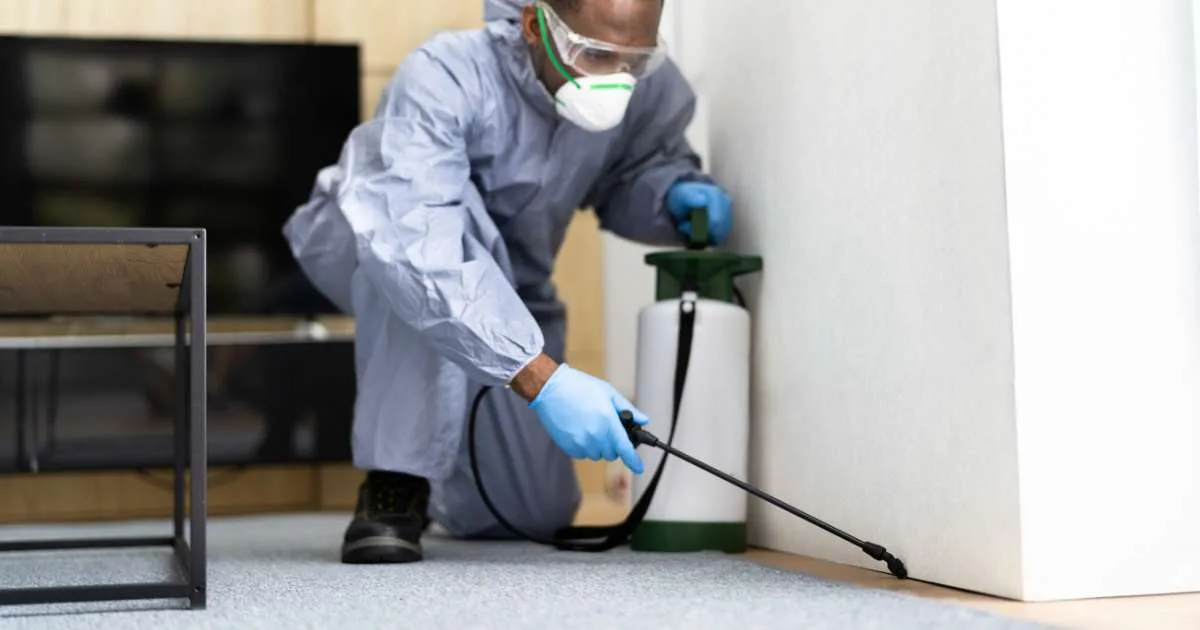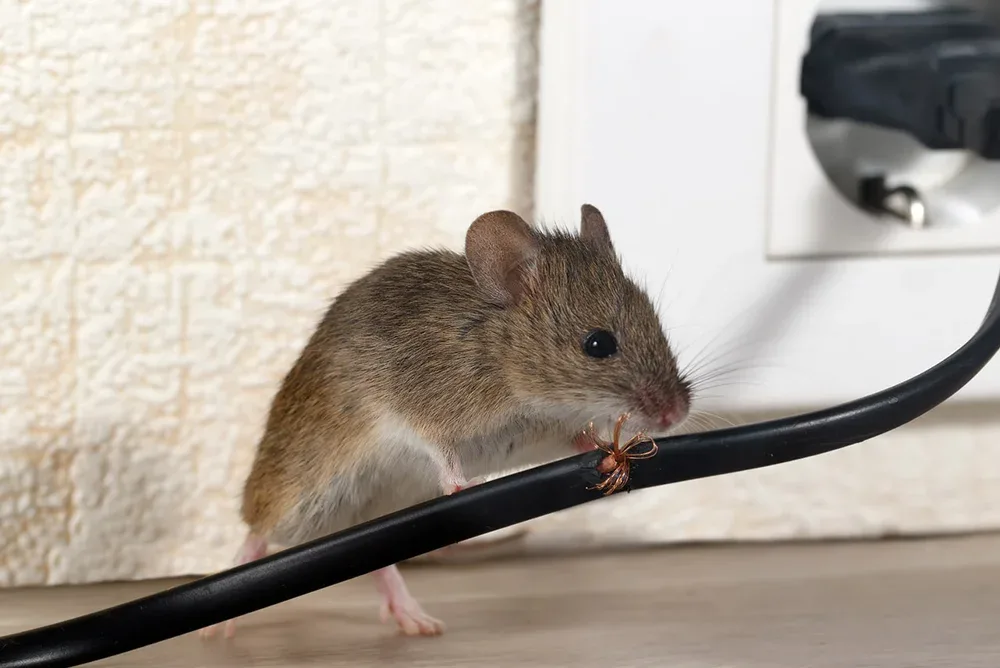
Rat control Vaughan is an important part of maintaining a clean, comfortable, and well-protected home or commercial property. Rats can become a serious concern when they find suitable places to access food, water, and shelter. These rodents are highly adaptable and can settle in residential neighbourhoods, commercial buildings, storage spaces, garages, basements, and outdoor areas. Once they find a suitable environment, they can establish nesting sites and create ongoing problems for property owners.
Vaughan has a combination of residential communities, commercial developments, restaurants, green spaces, and construction areas. These different environments can provide rats with opportunities to find food and shelter. Small openings around buildings, poorly maintained waste areas, and accessible food supplies can make properties more attractive to rodents.
Understanding rat behaviour and recognising early warning signs can help property owners take appropriate action. A reliable approach to rat control involves identifying the source of the problem, addressing access points, improving property maintenance, and monitoring areas where rodents may be active. With consistent attention and professional assistance when necessary, homeowners and business operators can make their properties less attractive to rats.
Why Rat Problems Occur in Vaughan
Rats are resourceful animals that can adapt to different surroundings. They do not require large spaces to enter a building and may use surprisingly small openings to reach protected areas. Residential properties can attract rodents through accessible garbage containers, pet food, bird feeders, compost areas, and outdoor storage.
Construction and renovation activities may also influence rodent movement. When existing hiding places are disturbed, rats may search for alternative shelter in nearby buildings. This can increase activity around homes, garages, sheds, and commercial properties.
Weather conditions can influence their movement as well. During colder periods, rats may look for warmer and more protected environments. Basements, wall cavities, crawl spaces, and utility areas can provide suitable locations for nesting.
Another contributing factor is the availability of food. Properties with uncovered waste containers, leftover food, or poorly maintained outdoor eating areas can attract rodents. Understanding these conditions is an important starting point for effective rat control Vaughan services.
Recognising the Early Signs of Rat Activity
Identifying a rat problem early can make the management process more straightforward. Rats are often active during quieter hours, so property owners may notice evidence of their presence before seeing the animals themselves.
One common indication is the presence of droppings. Rat droppings may appear near food storage areas, cupboards, basements, garages, and along walls. Fresh droppings can suggest ongoing activity, while older signs may indicate a previous infestation.
Scratching or movement sounds inside walls and ceilings can also be a warning sign. Rats may travel through hidden spaces while searching for food or suitable nesting locations. Repeated noises during evening or nighttime hours deserve attention.
Other signs include damaged food packaging, gnaw marks on wooden materials, disturbed insulation, and shredded materials that may have been used for nesting. Greasy marks along walls and narrow pathways can also indicate frequently used rodent routes.
Property owners should pay attention to unusual odours in enclosed spaces. A persistent unpleasant smell may indicate rodent activity or an animal that has died in an inaccessible location.
Recognising these warning signs allows homeowners and business operators to investigate the situation before the problem becomes more extensive.
Common Areas Where Rats Hide
Rats prefer locations that offer protection, limited disturbance, and convenient access to resources. Identifying these places is essential when planning a thorough rodent management strategy.
Basements and Crawl Spaces
Basements and crawl spaces can provide quiet environments for rats. Cluttered storage areas, gaps around pipes, and openings near foundations may create convenient access routes. Property owners should regularly inspect these spaces and avoid leaving unnecessary materials where rodents can hide.
Garages and Storage Rooms
Garages frequently contain cardboard boxes, unused furniture, gardening equipment, and stored household items. These materials can provide hiding places and nesting opportunities. Keeping belongings organised and maintaining clear spaces along walls can make inspections easier.
Attics and Roof Spaces
Attics can become attractive nesting locations when rats gain access through damaged roof sections, vents, or gaps around utility installations. Signs such as disturbed insulation, droppings, and scratching sounds may indicate activity.
Kitchens and Food Storage Areas
Kitchens, pantries, and commercial food preparation spaces require particular attention. Food crumbs, uncovered ingredients, and accessible waste can attract rodents. Storing food in secure containers and maintaining regular cleaning routines can help reduce these opportunities.
Gardens and Outdoor Areas
Overgrown vegetation, unused equipment, wood piles, and accumulated debris can provide shelter around buildings. Maintaining outdoor spaces and removing unnecessary clutter can reduce potential hiding locations.
Understanding the Risks Associated with Rats
Rats can affect more than the appearance and cleanliness of a property. Their presence may create several practical concerns for households and businesses.
One significant concern is property damage. Rats have strong teeth and regularly gnaw on different materials. They may damage wooden structures, insulation, packaging, and other household belongings. Their activity around electrical installations can also create serious safety concerns.
Food contamination is another issue. Rats can leave droppings, urine, and other biological material around food storage and preparation areas. This makes proper sanitation and prompt attention particularly important for restaurants, grocery stores, and other food-related businesses.
Rats may also carry organisms that can cause disease. Contact with rodents, their droppings, or contaminated surfaces should be avoided. Property owners should never handle a dead rat or clean substantial rodent contamination without appropriate protective equipment and guidance.
For businesses, visible rodent activity can affect customer confidence and daily operations. Maintaining a clean environment and responding quickly to signs of activity can help protect the reputation of a commercial establishment.
Effective Prevention Strategies for Residential Properties
Preventing rats from entering a property is an important part of long-term rodent management. Instead of focusing only on visible activity, homeowners should examine the conditions that allow rodents to survive around their buildings.
Start by inspecting the exterior of the property. Look for openings around doors, windows, foundations, pipes, and ventilation systems. Even small gaps can provide opportunities for rodents to enter. Suitable durable materials should be used to close openings while maintaining necessary ventilation and building functions.
Waste management also deserves regular attention. Garbage containers should have secure lids, and waste should not remain scattered around outdoor areas. Food waste should be stored properly until collection day.
Pet food should not be left outside overnight. Bird feeders may also attract rodents when seeds accumulate beneath them. Cleaning these areas regularly can help reduce available food sources.
Gardens should be maintained to prevent excessive vegetation and unnecessary clutter. Keeping plants trimmed, removing fallen fruit, and organising outdoor storage areas can make the surroundings less inviting to rodents.
Inside the home, food should be stored in sealed containers. Regularly clean kitchen surfaces, sweep floors, and inspect spaces behind appliances. These simple habits can make a meaningful difference when practised consistently.
Why Professional Rat Control Services Matter
Although property maintenance is important, established rat problems may require professional attention. Rats can move through concealed areas, use several access routes, and establish nests in locations that are difficult to inspect without suitable experience.
Professional rat control services begin with an assessment of the property. An inspection helps identify evidence of rodent activity, potential entry points, nesting locations, and conditions that may be contributing to the problem.
Based on the findings, technicians can recommend a management approach that addresses the specific situation. This may involve monitoring, appropriate control measures, exclusion work, and recommendations for improving sanitation.
Professional knowledge is particularly valuable when rodents are present in wall cavities, ceilings, basements, or commercial storage spaces. Attempting to manage these situations without understanding the movement patterns of rats may leave important areas untreated.
A comprehensive service should also consider how rodents are entering the building. Addressing access points and environmental conditions helps reduce the likelihood of repeated activity.
For homeowners seeking rat control Vaughan solutions, choosing an experienced service provider can make the process more organised and effective.
Rat Control for Restaurants and Commercial Buildings
Commercial properties often face different challenges from residential buildings. Restaurants, warehouses, offices, retail stores, and food distribution facilities may have multiple entrances, storage areas, delivery zones, and waste collection points.
Restaurants need particular attention because food preparation and storage activities can create opportunities for rodents. Ingredients should be stored securely, food preparation surfaces should remain clean, and waste should be removed regularly.
Warehouses may contain large quantities of packaged goods, pallets, and stored materials. These environments can make it difficult to identify rodent activity without a consistent inspection routine.
Retail businesses should also examine storage rooms, loading areas, and spaces behind equipment. Regular monitoring can help identify unusual signs before they affect customer-facing areas.
Professional rodent management can support commercial property maintenance by combining inspection, monitoring, exclusion recommendations, and ongoing prevention planning.
Business owners should also maintain appropriate records of inspections and corrective actions. This creates a more organised approach to property management and helps demonstrate attention to cleanliness and building maintenance.
The Importance of Sealing Entry Points
One of the most important aspects of long-term rat prevention is limiting access to buildings. Rats can squeeze through relatively small openings, particularly when the surrounding materials are damaged or deteriorating.
Exterior inspections should include foundation walls, garage doors, roof edges, utility openings, drainage areas, and ventilation systems. Particular attention should be given to locations where different building materials meet.
Door sweeps and suitable weather seals can help reduce gaps beneath exterior doors. Damaged screens and vents should be repaired with appropriate rodent-resistant materials.
Openings around plumbing and electrical installations should also be examined. Repairs must be completed carefully to avoid interfering with essential building systems.
Sealing access points is not simply a one-time activity. Building materials can deteriorate, and new openings may develop over time. Periodic inspections help maintain the protective condition of the property.
Maintaining a Clean and Organised Environment
A clean environment does not automatically eliminate rats, but it can reduce the resources available to them. Regular housekeeping is therefore an important part of any prevention programme.
Kitchen floors, pantry shelves, and food preparation areas should be cleaned routinely. Spilled ingredients and crumbs should be removed promptly rather than left until the next cleaning session.
Storage rooms should be organised to allow easy inspection. Cardboard boxes and unused materials should not accumulate unnecessarily, especially in basements and garages.
Outdoor waste areas should be kept tidy. Containers should remain closed, and food waste should not be left exposed. Property owners should also check composting areas to ensure they are properly maintained.
These practices create a more manageable environment and make it easier to recognise new signs of rodent activity.
Seasonal Rat Activity and Property Protection
Rat activity can change throughout the year depending on food availability, shelter, and environmental conditions. Understanding seasonal patterns can help property owners prepare for potential problems.
During spring and summer, outdoor spaces may provide access to food and nesting materials. Gardens, sheds, compost areas, and outdoor storage locations should receive regular attention.
Autumn can bring changes as outdoor conditions become less suitable for rodents. Rats may begin exploring buildings for more protected shelter. This makes exterior inspections and entry-point maintenance particularly valuable.
Winter conditions may encourage rodents to remain inside buildings where they can find suitable shelter. Basements, attics, and utility areas should be monitored for signs of movement.
Year-round maintenance is more effective than waiting until visible activity becomes widespread. A consistent inspection routine helps property owners respond to changing conditions.
Choosing the Right Rat Control Vaughan Provider
Selecting a suitable pest management provider is an important decision for homeowners and commercial property operators. Not every property has the same rodent problem, so services should be based on an individual assessment.
Look for a provider that explains its inspection process and identifies the areas contributing to rodent activity. Clear communication is important because property owners need to understand what is happening and which improvements may be necessary.
Experience with residential and commercial buildings can also be beneficial. A knowledgeable technician should be able to explain common access routes, nesting locations, and suitable prevention measures.
Ask about follow-up inspections and monitoring recommendations. Rat management should not end simply because visible activity has decreased. Continued attention helps identify new signs and potential access points.
It is also useful to understand the recommended service process, safety precautions, and any responsibilities that remain with the property owner.
Choosing a provider that prioritises inspection, practical prevention, and clear guidance can help create a more reliable approach to rodent management.
Long-Term Benefits of Professional Rodent Management
A well-planned rat management programme offers benefits beyond addressing an immediate infestation. It helps property owners understand the conditions that attract rodents and take practical steps to improve their surroundings.
Reducing rodent access can help protect building materials, stored belongings, and food supplies. Regular inspections also make it easier to identify maintenance issues before they develop into larger problems.
For businesses, maintaining a well-managed environment supports daily operations and customer confidence. For homeowners, it contributes to a cleaner and more comfortable living space.
Another important benefit is awareness. Property owners who understand rodent behaviour are better prepared to recognise early warning signs and respond appropriately.
Combining professional assistance with responsible property maintenance provides a more sustainable foundation for keeping rats away.
Conclusion
Rat control Vaughan requires a practical approach that considers rodent behaviour, property conditions, food availability, and potential entry points. Rats can create problems in homes, businesses, storage facilities, and outdoor spaces, making early identification and consistent prevention important.
Recognising droppings, scratching sounds, damaged materials, and other warning signs can help property owners take timely action. Maintaining clean surroundings, securing food and waste, organising storage areas, and sealing openings can further reduce opportunities for rodents.
When activity becomes established or difficult to locate, professional assistance can provide a more thorough assessment and suitable management recommendations. By combining expert inspections with regular property maintenance, Vaughan residents and business owners can protect their buildings and maintain cleaner, more comfortable environments.