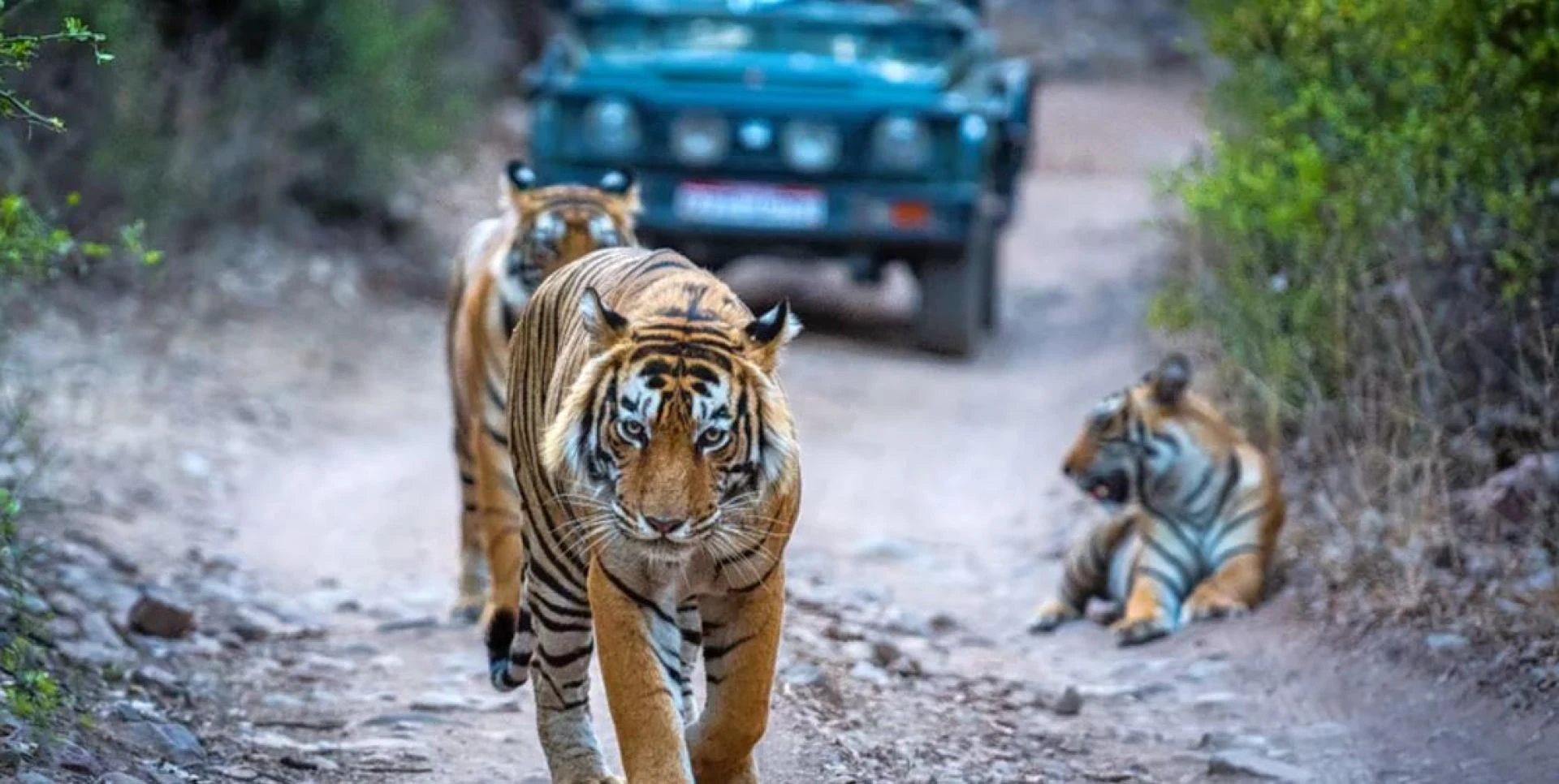
Embarking on a wildlife adventure in the heart of Rajasthan requires careful planning, especially when it involves the elusive Bengal tiger. For many travelers, choosing the right resort in Ranthambore is just the first step in a larger journey that culminates in the dusty trails of the national park. Ranthambore National Park is unique for its blend of historical ruins and dense biodiversity, offering a visual feast that spans from the majestic Ranthambore Fort to the shimmering waters of Padam Talao. However, the most critical decision a wildlife enthusiast must make—often even before arriving at their accommodation—is whether to explore the terrain in a 20-seater Canter or a 6-seater Jeep.
The debate between the Canter and the Jeep is a long-standing one among frequent visitors. Both vehicles are open-topped, ensuring that you are never separated from the sounds and scents of the dry deciduous forest. Yet, the physical experience of each differs significantly. To truly appreciate the nuances of a jungle safari in Ranthambore, one must weigh factors such as budget, group size, and the level of photographic flexibility required. While the thrill of the chase remains constant regardless of your wheels, the vantage point and the agility of the vehicle can subtly shift the narrative of your morning or afternoon drive.
The Dynamics of the 6-Seater Jeep Safari
The Gypsy, or the 6-seater Jeep, is widely considered the premium way to navigate the rugged landscapes of the park. Its primary advantage lies in its maneuverability and silence. In the dense thickets of Zones 1 through 5, where tiger sightings are frequently reported, the ability to turn quickly or reverse silently when an alarm call is heard can be the difference between a fleeting glimpse and a 20-minute sighting.
- Intimacy and Quietude: With fewer people on board, the noise levels are naturally lower, which is essential for not startling the wildlife.
- Photography Angles: For those carrying heavy lenses, the Jeep offers better stability and the ability to move within the vehicle for a clearer shot.
- Speed and Access: Jeeps can often navigate narrower tracks that larger vehicles might find challenging, especially during the post-monsoon months when the foliage is thick.
Booking a jeep safari in Ranthambore is often a competitive process. Because the number of Jeeps permitted into each zone is strictly limited by the forest department to minimize environmental impact, these seats often sell out months in advance. Travelers seeking a more personalized experience where they can discuss tracks and signs in detail with their naturalist usually gravitate toward this option.
The Social Experience of the 20-Seater Canter
The Canter is the backbone of Ranthambore’s tourism infrastructure. Often described as a "bus on a safari chassis," it provides a high-clearance, open-air viewing platform that can accommodate larger groups or solo travelers on a budget. While it lacks the stealth of the Gypsy, it offers a communal atmosphere that many families and large tour groups find appealing.
One of the unexpected benefits of the Canter is the height. Being seated higher off the ground provides a "bird's eye" perspective over tall yellow grass and bushes. This elevated view can sometimes help in spotting a tiger resting further away from the track, which might be obscured by the lower profile of a Jeep. Furthermore, the Canter is a more economical choice, making the wonders of the wild accessible to a broader range of visitors without compromising the official route or the duration of the safari.
Strategic Planning for Your Wildlife Expedition
Understanding the zone system is just as vital as picking your vehicle. Ranthambore is divided into ten distinct safari zones. Zones 1-5 are the core areas, famous for their historical landmarks and high tiger density, while Zones 6-10 offer rugged hilly terrains and excellent bird-watching opportunities. Regardless of whether you choose a Jeep or a Canter, the forest department assigns zones through a computerized randomizing system, ensuring a fair distribution of tourists across the park.
When preparing for your safari, timing is everything. During the winter months (October to March), the early morning drives can be quite chilly, requiring heavy layers. As the season transitions into summer (April to June), the heat becomes intense, but this is also when tiger sightings peak as animals frequent the remaining water holes. Pack light, breathable clothing in neutral tones like khaki, olive, or beige to blend into the environment. Avoid bright colors or strong perfumes, as these can be distracting to the animals.
Enhancing Your Stay at Ranthambore Tiger Resort
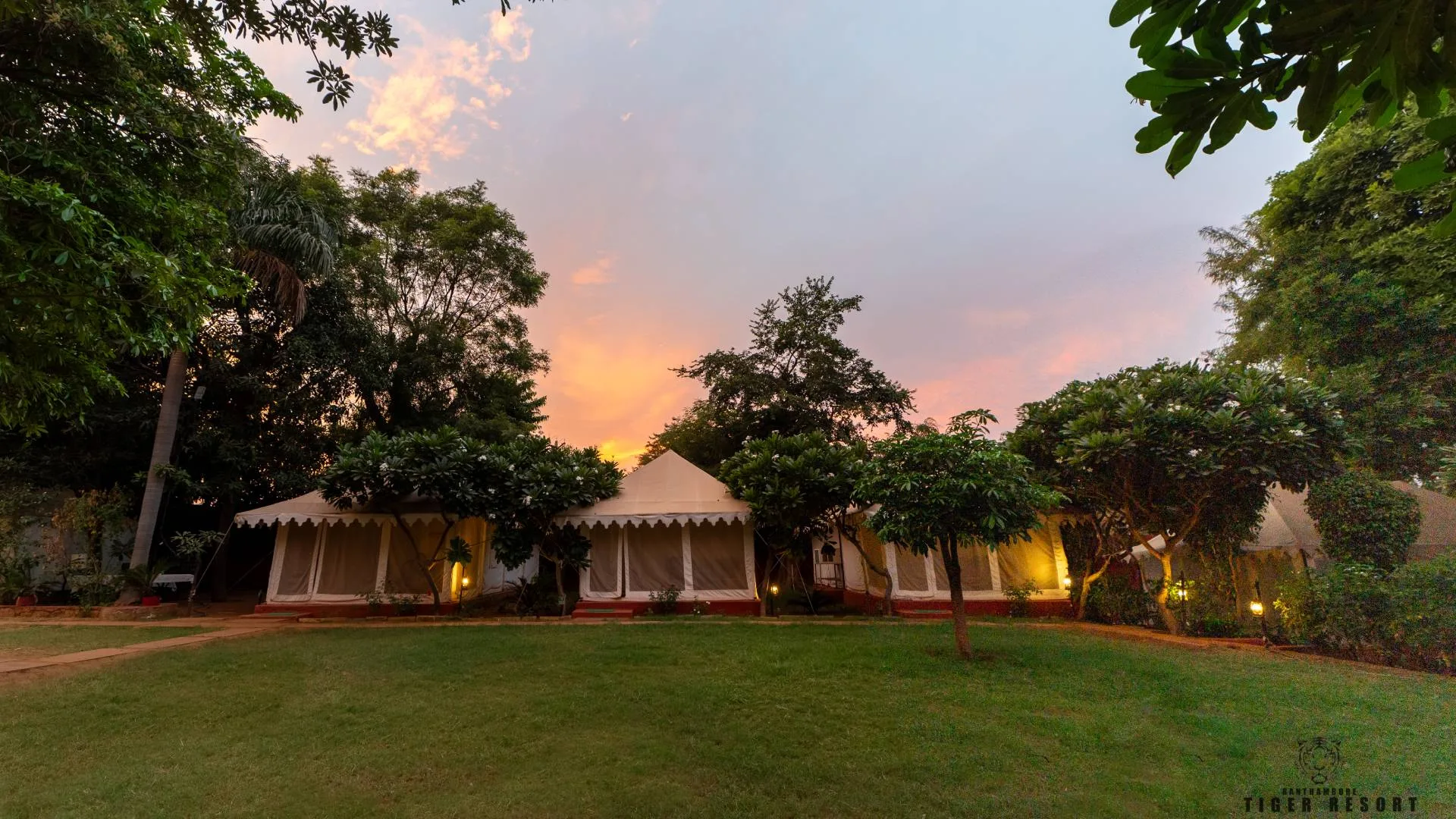
After a long day of traversing the undulating tracks of the national park, returning to a place of comfort is essential. The experience of the wilderness is best complimented by hospitality that respects the local ecology. At Ranthambore Tiger Resort, we focus on providing an authentic Rajasthani experience that bridges the gap between rugged adventure and modern comfort. Our staff, many of whom are locals with deep roots in the region, are always ready to share stories of the forest or help you interpret the sightings of the day.
Choosing between a Canter and a Jeep ultimately depends on your personal priorities. If you are a professional photographer or a couple seeking a quiet, private moment in nature, the Jeep is your best bet. If you are traveling with a large extended family or are looking for the most cost-effective way to witness the majesty of the jungle, the Canter will not disappoint. Both vehicles follow the same forest tracks, are accompanied by the same trained guides, and share the same sky. In the end, the tiger does not distinguish between the two; the magic of Ranthambore lies in the patience of the observer and the unpredictability of the wild.