
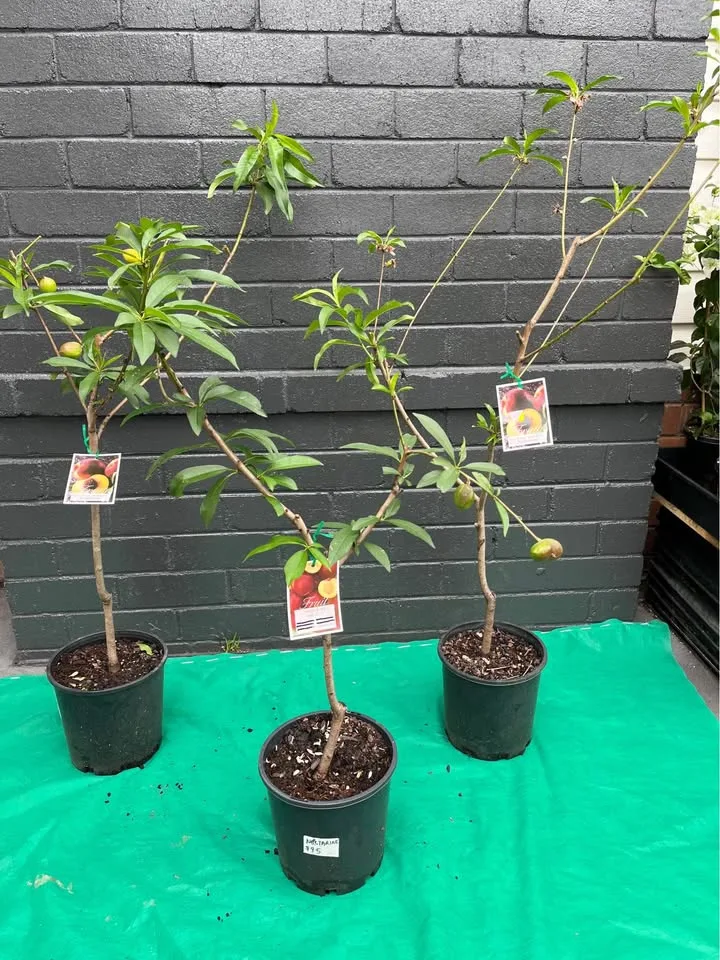
The Queen Giant Nectarine in Sydney is an attractive fruit tree for home gardeners who enjoy growing fresh, delicious fruit in their own backyard. Nectarine trees are popular for their beautiful spring blossoms, lush green foliage and smooth-skinned fruits. With the right growing conditions and regular care, a nectarine tree can become a rewarding addition to your home orchard, providing seasonal beauty and the enjoyment of harvesting homegrown fruit.
Queen Giant Nectarine is a great option for gardeners looking to add a nectarine variety to their fruit collection. Whether you are starting a backyard orchard or expanding an existing fruit garden, this tree can bring both beauty and productivity to your outdoor space.
At Sai Nursery in Sydney, we offer a range of fruit trees to help gardening enthusiasts create beautiful and productive home gardens.
About Queen Giant Nectarine
Queen Giant Nectarine is a fruiting nectarine variety suitable for growing in appropriate garden conditions. Nectarine trees are deciduous, which means they naturally lose their leaves during winter before producing fresh foliage and blossoms as the weather warms.
Nectarines are valued for their smooth-skinned fruit and refreshing taste. Their fruit colour, size, flavour and harvest period can vary depending on the variety, growing conditions and seasonal weather.
Growing a nectarine tree at home allows you to enjoy the complete fruit-growing experience, from spring flowering and fruit development to harvesting fresh produce. With suitable sunlight, well-drained soil, regular watering and seasonal pruning, Queen Giant Nectarine can become a lovely feature in your backyard orchard.
Key Features of Queen Giant Nectarine
- Attractive deciduous fruit tree
- Produces smooth-skinned nectarines
- Beautiful seasonal spring blossoms
- Suitable for home gardens and backyard orchards
- Fresh fruit for eating and cooking
- Ideal for sunny garden locations
- Adds seasonal interest to outdoor spaces
- A wonderful choice for fruit-growing enthusiasts
Why Grow Queen Giant Nectarine in Sydney?
Sydney gardeners can enjoy growing different varieties of stone fruit trees, including nectarines, when the selected variety is suited to the local climate.
Queen Giant Nectarine can be a rewarding choice for gardeners who want to grow their own fruit. A nectarine tree adds greenery and seasonal colour to the garden while offering the possibility of fresh homegrown produce.
The success of a nectarine tree depends on several factors, including winter chilling requirements, sunlight, soil drainage, watering and ongoing maintenance. Different nectarine varieties have different chilling needs, so it is important to confirm that Queen Giant Nectarine is suitable for your particular area of Sydney before planting.
With the right conditions, a nectarine tree can become an enjoyable part of a home orchard and provide seasonal interest for years to come.
Best Location for Planting Queen Giant Nectarine
Nectarine trees generally perform best in sunny locations with good air circulation. Choose a position that receives approximately six to eight hours of direct sunlight during the growing season, where possible.
Adequate sunlight supports healthy growth, flowering and fruit development. Good airflow around the branches can also help reduce the risk of certain fungal diseases.
Suitable planting locations include:
- Backyard fruit gardens
- Home orchards
- Sunny garden beds
- Open garden spaces
- Suitable large containers, depending on the tree and rootstock
Allow enough space around the tree for its mature growth, pruning, airflow and fruit harvesting.
Soil Requirements
Queen Giant Nectarine grows best in fertile, well-drained soil. Good drainage is particularly important because nectarine trees do not tolerate consistently waterlogged conditions.
Before planting, loosen the soil and incorporate suitable organic matter, such as compost, to improve soil structure. This helps create a suitable growing environment for the roots.
If your garden has heavy clay soil, consider improving drainage or preparing a raised planting area. Avoid locations where water collects after rainfall.
How to Plant Queen Giant Nectarine
Correct planting helps establish a strong root system and supports healthy tree development.
Follow these steps when planting your nectarine tree:
- Select a sunny location with good drainage.
- Prepare the planting area by loosening the soil.
- Dig a hole suitable for the tree's root system.
- Carefully position the tree in the hole.
- Backfill with soil and gently firm around the roots.
- Water thoroughly after planting.
- Apply organic mulch around the base, keeping it away from the trunk.
Avoid planting the tree too deeply. If it is grafted, keep the graft union above the soil level.
Watering Queen Giant Nectarine
Regular watering is important, especially during the establishment period and warmer months.
Water deeply so that moisture reaches the root zone. Maintain consistent soil moisture while avoiding overwatering and waterlogged conditions.
During hot and dry Sydney weather, the tree may require more frequent watering. Check the soil regularly and adjust your watering schedule according to rainfall, temperature and soil conditions.
Mulching around the tree helps retain soil moisture, reduce weed growth and regulate soil temperature. Keep mulch a short distance away from the trunk to prevent moisture-related problems.
Fertilising Queen Giant Nectarine
Appropriate fertilising supports healthy foliage, root development and fruit production.
Use a suitable fruit-tree fertiliser according to the manufacturer's instructions. Compost and other organic matter can also help improve soil quality and provide nutrients.
The amount and timing of fertiliser should depend on the tree's age, growth and seasonal requirements. Avoid excessive nitrogen, as too much can encourage leafy growth at the expense of balanced fruit production.
Pruning Queen Giant Nectarine
Pruning is an important part of maintaining a healthy and productive nectarine tree. It helps manage the tree's shape, improve airflow and allow sunlight to reach the branches.
Nectarine trees are commonly trained to an open-centre shape, which creates space in the middle of the canopy.
Pruning may include:
- Removing dead or damaged branches
- Cutting out crossing and overcrowded branches
- Maintaining an open canopy
- Encouraging suitable new growth
- Managing tree height and shape
Prune at an appropriate time for Sydney conditions and follow good stone-fruit pruning practices to reduce disease risks. Always use clean, sharp pruning tools.
Common Pests and Diseases
Like other stone fruit trees, Queen Giant Nectarine may occasionally experience pest and disease problems.
Common issues to monitor include:
- Aphids
- Scale insects
- Peach leaf curl
- Brown rot
- Fruit damage from insects and birds
Regularly inspect the leaves, branches and developing fruit. Good airflow, appropriate pruning, careful watering and seasonal maintenance can help reduce potential problems.
Remove affected plant material when appropriate and use suitable garden treatments according to their instructions.
Landscaping Ideas for Queen Giant Nectarine
Queen Giant Nectarine can be a beautiful and productive addition to different garden styles.
Backyard Orchards: Plant alongside other suitable fruit trees to create a productive home orchard.
Home Fruit Gardens: Grow your own nectarines and enjoy fresh seasonal fruit from your backyard.
Family Gardens: Fruit trees can encourage children and families to learn about gardening and growing fresh produce.
Mixed Fruit Plantings: Combine nectarine trees with suitable peach, plum, apricot and other fruit varieties.
Garden Features: Enjoy the seasonal blossoms and attractive foliage as part of your outdoor landscape.
Buy Queen Giant Nectarine in Sydney at Sai Nursery
Bring the joy of homegrown fruit to your garden with the Queen Giant Nectarine. Its attractive seasonal growth and smooth-skinned fruit make it a wonderful option for gardeners who enjoy growing their own produce.