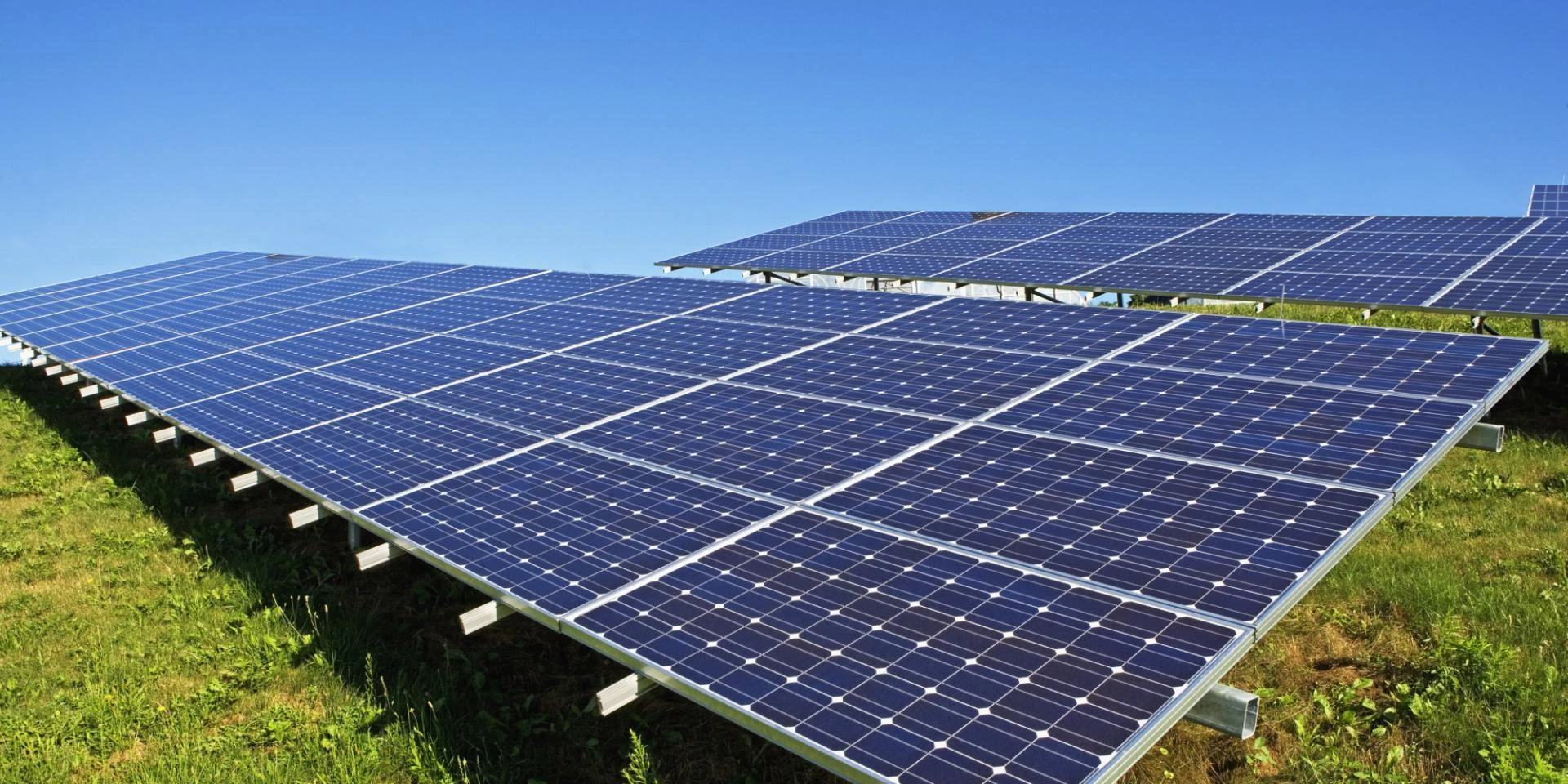
The PV Solar Panel Market landscape is undergoing a dynamic transformation as countries, companies, and consumers worldwide pivot toward sustainable energy solutions. With solar power becoming an increasingly mainstream energy source, the market is being shaped by a blend of technological innovation, policy shifts, and strategic investment. Understanding the current landscape offers valuable insight into where the market stands and what direction it’s headed.
Global Market Overview
Globally, the PV solar panel industry has transitioned from a niche segment to a central component of renewable energy strategies. According to industry estimates, solar PV accounted for a significant portion of newly installed renewable capacity in recent years. Market activity is strongest in Asia-Pacific, led by China and India, followed by Europe and North America, where green energy targets and climate commitments are firmly embedded in energy policy.
This global push has created a fertile environment for solar energy, reflected in large-scale solar farms, urban rooftop deployments, and rural off-grid installations. The PV Solar Panel Market is not only growing rapidly but is also diversifying in its applications and reach.
Technological Landscape
One of the most defining aspects of the PV Solar Panel Market landscape is technological progress. Manufacturers are constantly improving cell efficiency, reducing costs, and enhancing durability. From traditional monocrystalline and polycrystalline panels to more advanced options like bifacial panels, perovskite cells, and thin-film technologies, innovation is at the heart of the market’s evolution.
Smart PV panels, integrated with microinverters, optimizers, and digital monitoring, are becoming increasingly popular. These innovations enable higher power output, better maintenance capabilities, and improved user experience, pushing the market further into mainstream adoption.
Policy and Regulatory Environment
Policy continues to play a crucial role in shaping the PV Solar Panel Market. Incentives such as subsidies, tax credits, low-interest financing, and renewable energy mandates are encouraging both residential and commercial installations. Governments across the globe are introducing solar-friendly frameworks as part of their broader energy transition plans.
For example, the European Union's Green Deal, India’s National Solar Mission, and the United States’ Inflation Reduction Act are fueling solar market expansion. Additionally, growing participation in global climate agreements is compelling nations to reimagine their energy infrastructure around clean technologies.
Market Segmentation and Applications
The PV Solar Panel Market landscape is segmented across several dimensions:
- By End Use: Residential, Commercial, Industrial, and Utility-scale
- By Installation Type: Rooftop solar, Ground-mounted systems, Floating solar
- By Technology: Crystalline silicon, Thin-film, and Hybrid technologies
Each segment has unique characteristics and growth drivers. For example, residential adoption is largely fueled by rising electricity prices and environmental awareness, while utility-scale projects are driven by energy security goals and corporate sustainability mandates. Floating PV systems are gaining popularity in water-scarce regions, maximizing land use efficiency and cooling benefits.
Supply Chain and Manufacturing Trends
Global supply chains for PV solar panels are also evolving. China currently dominates panel manufacturing, controlling a significant share of global polysilicon production, cell fabrication, and module assembly. However, countries such as the United States, India, and those in the European Union are increasingly investing in local manufacturing capacities to reduce reliance on imports and ensure energy independence.
Efforts to shorten and secure solar supply chains are giving rise to new partnerships, technological collaborations, and public-private investments. Meanwhile, companies are exploring sustainable sourcing, panel recycling, and circular economy models to address environmental concerns related to the solar value chain.
Emerging Markets and Growth Potential
While established markets continue to expand, emerging economies in Latin America, Southeast Asia, and Africa are becoming key growth frontiers. These regions present unique opportunities for market penetration due to energy access challenges, abundant sunlight, and favorable demographics.
Off-grid and mini-grid solutions, powered by solar PV, are helping bridge the energy gap in remote communities. Governments and development agencies are recognizing the role of solar in achieving universal energy access, accelerating infrastructure development, and improving living standards.
Challenges and Considerations
Despite its impressive momentum, the PV Solar Panel Market is not without its challenges. Fluctuations in raw material prices, tariff disputes, land use constraints, and grid integration issues are common concerns. Moreover, end-of-life management for solar panels is becoming a growing issue, with the need for recycling and waste management systems gaining attention.
Cybersecurity in smart solar systems and the intermittency of solar energy are also being addressed through advanced grid management and energy storage integration.
Future Outlook
The future of the PV Solar Panel Market landscape looks promising. As technology continues to improve and policies evolve, solar energy is expected to become an even more integral part of global energy systems. Market players that focus on innovation, sustainability, and strategic expansion will be best positioned to capitalize on the rising demand.
The next phase of growth will likely be defined by digitalization, decarbonization, and decentralization — with solar energy leading the charge in all three domains.