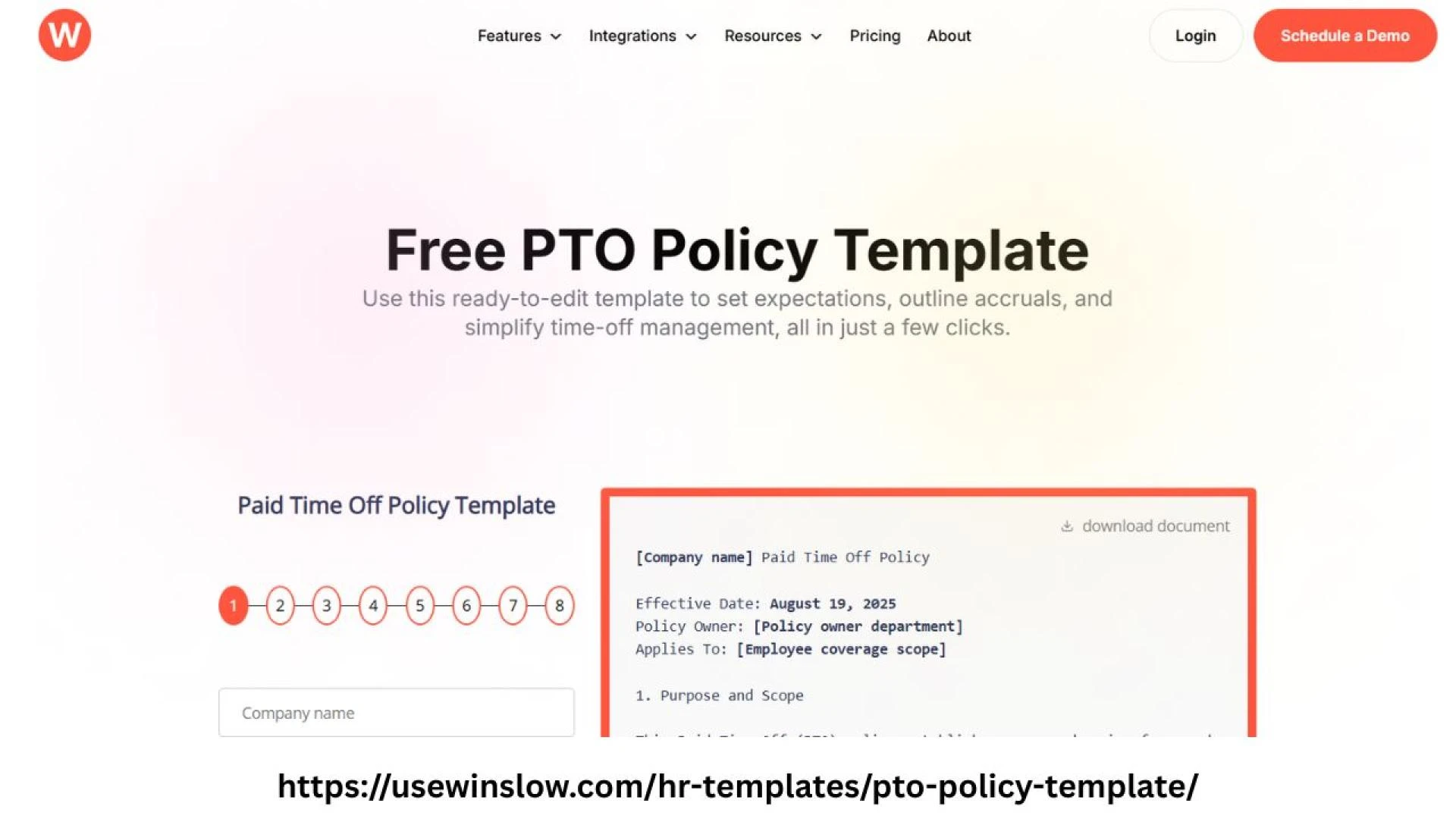
Managing paid time off is one of the most important responsibilities of HR teams. Without a clear structure, employees may be uncertain about how much leave they are entitled to, when they can use it, and what process they should follow to request time off. That is where a PTO policy template becomes a practical solution. It helps businesses establish clear rules for time off, ensuring that employees and managers understand expectations. For HR professionals working through Slack, Teams, Gmail, or Outlook, using a structured template makes the process more transparent and consistent.
What a PTO Policy Means for Businesses
PTO, short for Paid Time Off, is a workplace benefit that allows employees to take time away from work while continuing to receive pay. A PTO system can include vacation days, sick leave, and personal time off, all managed under one policy. Instead of handling each type of leave separately, companies can simplify administration by creating one clear policy.
The main goal of a PTO policy is to balance company needs with employee well-being. A well-written policy creates fairness, supports productivity, and builds employee trust. When businesses use PTO policy templates, they have a straightforward way to create consistency across their workforce.
Importance of Using PTO Policy Templates
Companies often need a reliable framework to organize leave rules, and creating one from scratch is not always efficient. A PTO policy template gives HR professionals a head start. It reduces the time spent on drafting documents and ensures that no important details are missed.
Here are some reasons why companies benefit from templates:
- Clarity – Employees understand exactly what they are entitled to.
- Time Savings – HR teams can roll out a policy faster.
- Fairness – All employees are treated equally under the same rules.
- Compliance – Templates help businesses follow labor regulations.
By adapting a free PTO policy template, companies ensure consistency and avoid unnecessary confusion in the workplace.
Key Elements of a Strong PTO Policy
When creating PTO policy templates, HR teams should include details that answer common employee questions and address organizational needs. Important elements include:
- Eligibility – Clarify which employees qualify, such as full-time staff or those who have completed a probationary period.
- Accrual System – Define whether PTO is allocated upfront or earned gradually over time.
- Request Procedure – Explain how employees can request time off and how much notice is required.
- Approval Process – Identify who approves leave requests and how conflicts are resolved.
- Carryover Rules – Indicate whether unused days carry forward or expire at year-end.
- Termination Rules – Describe what happens to unused PTO when an employee leaves the company.
A template PTO policy that includes these points reduces misunderstandings and ensures smoother operations.
Steps to Create a PTO Policy
HR professionals can follow a few clear steps when building a PTO policy from a template.
- Review Legal Requirements – Labor laws vary across locations, so compliance is critical.
- Choose PTO Limits – Decide how many days of paid leave employees will receive.
- Select an Accrual Method – Determine whether employees earn PTO over time or receive all days at once.
- Outline Usage Rules – Set expectations for requesting and scheduling leave.
- Plan Carryover and Payouts – Decide if unused days will roll over or be paid out.
- Communicate Policy Clearly – Share the final policy with all employees and make it easily accessible.
By following these steps, companies can customize a free pto policy template to fit their culture and needs.
Benefits of Free PTO Policy Templates
A free PTO policy template is an excellent tool for HR teams because it provides structure while leaving room for customization. It also ensures that businesses do not overlook important rules when drafting policies.
Benefits include:
- Faster Implementation – HR can finalize policies quickly.
- Professional Format – Templates cover standard best practices.
- Easy Adaptation – Businesses can adjust policies to reflect their culture.
- Accessibility – Documents can be shared easily across digital platforms like Slack, Teams, or Outlook.
For small businesses and growing companies, a free PTO policy template is an effective way to manage leave without investing too much time in document drafting.
Challenges in PTO Policy Implementation
Even with well-structured templates, companies may face challenges when rolling out a PTO policy. Some common issues include:
- Unclear Accrual Rules – Employees may misunderstand how days are earned.
- Conflicts in Scheduling – Overlapping requests can disrupt workflows.
- Inequity Perception – If rules are not communicated clearly, employees may feel policies are unfair.
- Lack of Updates – Outdated policies may not reflect current business practices or legal requirements.
To address these issues, HR should regularly update template PTO policies and ensure open communication with employees.
Keeping PTO Policies Updated
Workplaces are evolving, and so should PTO policies. Remote work, flexible schedules, and employee wellness initiatives are shaping modern benefits. Many companies now include wellness leave, mental health days, or volunteer time within their PTO structures.
Updating template PTO policies ensures that businesses stay aligned with employee expectations and legal requirements. Reviewing policies annually allows HR teams to make improvements and remain competitive in attracting and retaining talent.
Impact on Employee Well-Being and Retention
Employees value clarity when it comes to leave policies. A transparent PTO policy encourages staff to take time off without hesitation, leading to better productivity and higher morale. Companies that fail to provide clear PTO guidelines often face burnout, low engagement, and higher turnover.
Using PTO policy templates makes it easier for businesses to build systems that support employees. When workers feel confident in their leave entitlements, they are more motivated, loyal, and satisfied with their workplace.
Why HR Teams Trust Professional Resources
Many HR departments turn to trusted providers for templates because these resources are designed with practical considerations in mind. By starting with a well-structured document, HR managers can focus on aligning the policy with company culture rather than building everything from the ground up.
Winslow, for example, provides tools and resources that simplify HR tasks, making it easier for companies to adopt professional templates and streamline operations. With a template PTO policy from reliable sources, HR teams can create fair and effective leave policies more efficiently.
Conclusion
Clear leave management is essential for smooth workplace operations, and a PTO policy template is the most effective way to achieve it. By including details on accrual, carryover, approval processes, and eligibility, businesses create fair and transparent systems for employees. Using free pto policy templates saves time, improves clarity, and ensures compliance with legal requirements. Updating template pto policies regularly allows organizations to adapt to changing workplace needs and support employee well-being. For HR teams managing employees through platforms like Slack, Teams, Gmail, or Outlook, a strong PTO policy improves communication and consistency. With support from providers such as Winslow, companies can create PTO policy templates that strengthen both organizational success and employee satisfaction.