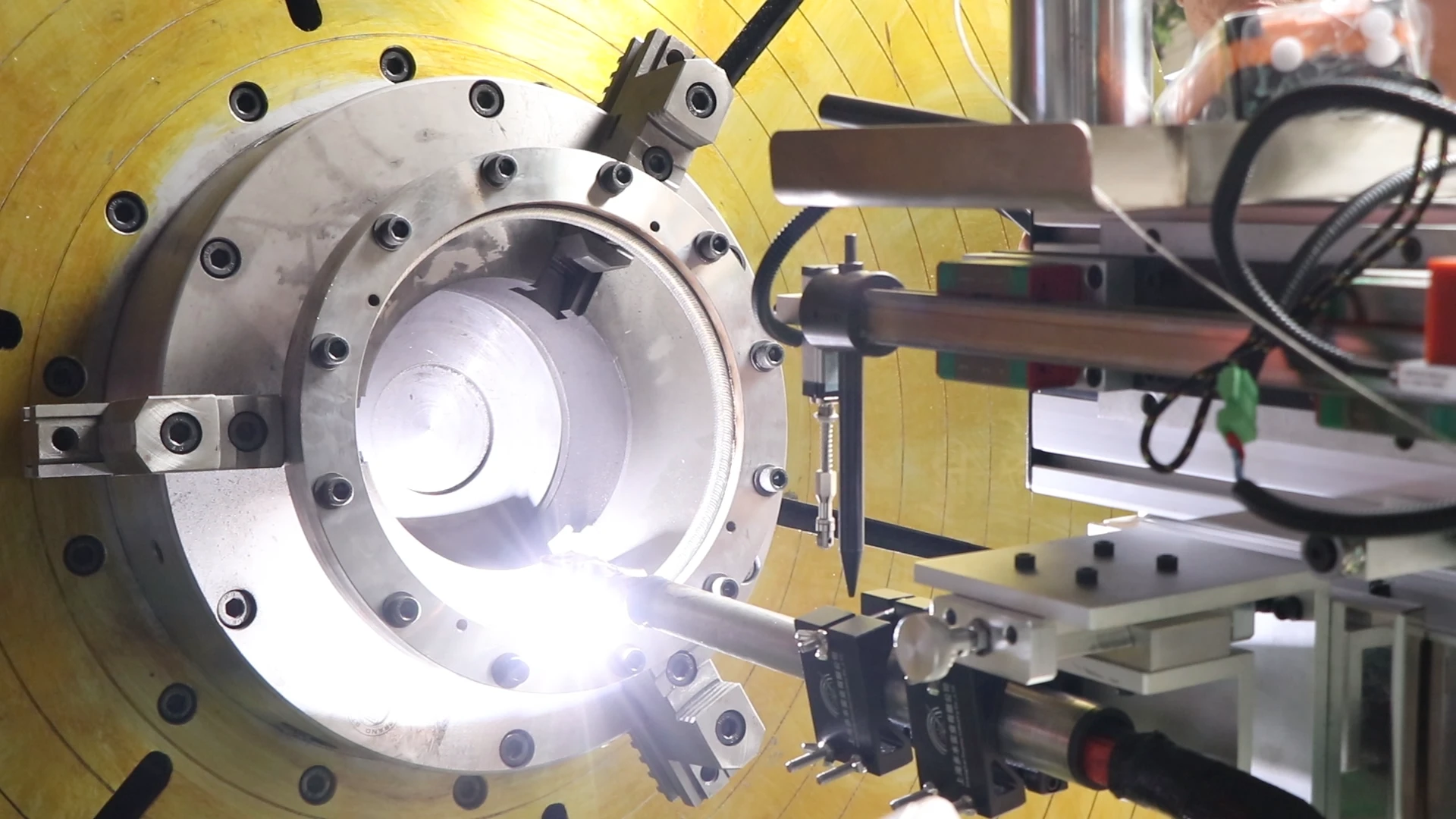
In modern industrial processes, equipment is often exposed to harsh environments that cause wear, corrosion, and chemical damage. To extend machinery life and maintain operational efficiency, PTA cladding (Plasma Transferred Arc cladding) has emerged as a highly effective surface protection technique. This advanced method allows manufacturers to coat critical components with wear- and corrosion-resistant alloys, improving longevity, reducing maintenance costs, and enhancing performance.
This article explores the principles of PTA cladding, its benefits, applications, and the role of modern technology in optimizing industrial equipment.
What Is PTA Cladding?
Plasma Transferred Arc PTA cladding is a process in which a layer of alloy is deposited onto the surface of a metal component using a plasma arc as a heat source. The plasma simultaneously melts the base material and the cladding powder, forming a metallurgically bonded layer with superior properties. Unlike traditional welding or thermal spray techniques, PTA cladding produces a dense, uniform coating with minimal dilution and excellent adhesion.
The process can be applied to a wide range of metals, including steel, stainless steel, and alloys, and is suitable for protecting surfaces exposed to abrasion, corrosion, and high temperatures.
Advantages of PTA Cladding
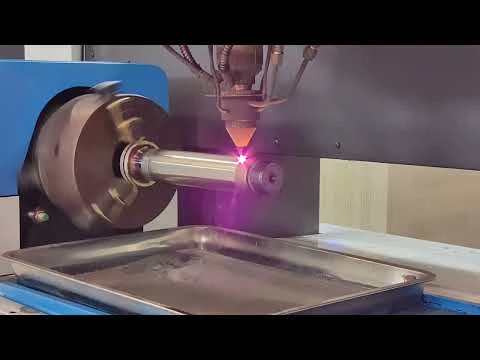
PTA cladding offers numerous benefits that make it ideal for industrial applications:
- Enhanced Wear Resistance: The cladding layer protects against erosion, abrasion, and impact, extending component lifespan.
- Corrosion Protection: PTA coatings resist chemical attack from acids, alkalis, and saline environments, making them suitable for chemical and marine applications.
- Minimal Heat-Affected Zone: The precise plasma arc reduces the risk of warping or damaging the base material.
- Consistent Quality: Automated PTA systems ensure uniform layer thickness, minimizing defects and ensuring reliability.
- Cost Savings: Extending equipment life and reducing downtime lowers maintenance and replacement costs.
- Versatility: PTA cladding can be applied to pipes, valves, rolls, pump parts, and industrial machinery components.
Applications of PTA Cladding
PTA cladding is widely used in industries that demand high durability and chemical resistance:
1. Oil and Gas Industry
Pipelines, valves, and pumps in the oil and gas sector are subject to corrosion, erosion, and high pressure. PTA cladding protects these components, ensuring operational safety and reducing maintenance frequency.
2. Chemical and Petrochemical Plants
Chemical processing equipment is exposed to aggressive chemicals and high temperatures. PTA cladding shields critical components such as reactor vessels, heat exchangers, and mixer blades from corrosion and wear.
3. Power Generation
Boiler tubes, turbine components, and heat exchangers in power plants are prone to erosion and thermal stress. PTA cladding extends its service life, improving efficiency and reliability.
4. Mining and Cement Industry
Rolls, hoppers, and crushers are subjected to constant abrasion from rocks and minerals. PTA cladding provides a durable protective layer that significantly reduces downtime due to wear.
Integrating Sensor and Automation Technology
Modern PTA cladding systems increasingly incorporate automation and sensor technology for improved accuracy and quality control. Sensors can monitor:
- Arc temperature and plasma stability
- Cladding powder feed rate and layer thickness
- Real-time surface quality inspection
Automation allows precise, repeatable cladding on complex geometries, reducing human error and ensuring consistent performance across components. This combination of PTA technology and smart sensors enhances production efficiency and lowers operational costs for industrial facilities.
Best Practices for PTA Cladding
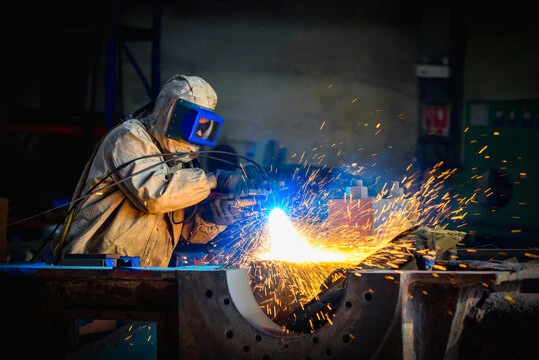
- Material Preparation: Clean and preheat the base material to ensure optimal bonding.
- Alloy Selection: Choose a cladding alloy suitable for the operational environment (corrosive, abrasive, or high-temperature conditions).
- Process Monitoring: Use sensors and automation to maintain uniform coating thickness and prevent defects.
- Skilled Operators: Ensure trained personnel supervise the PTA cladding process to maintain quality and safety standards.
- Regular Maintenance: Inspect and maintain cladded components to maximize their lifespan and performance.
Conclusion
PTA cladding is a powerful solution for industries looking to protect critical equipment from wear, corrosion, and extreme operating conditions. Its precision, durability, and adaptability make it ideal for oil and gas, chemical processing, power generation, and heavy industries.
By integrating automation and sensor technology into the PTA cladding process, manufacturers can achieve high-quality, consistent coatings that reduce downtime, lower maintenance costs, and extend the life of essential components. Raysun Techno Industries LLC, a trusted provider of advanced cladding and surface protection solutions in Dubai, offers state-of-the-art PTA cladding services that combine precision, durability, and smart monitoring technology. In today’s competitive industrial landscape, PTA cladding solutions from Raysun Techno Industries LLC are essential for improving equipment performance, reliability, and overall operational efficiency.