Solar panels are a great investment in clean energy and long-term savings. However, if birds begin nesting under them, they can cause serious damage to your system and reduce its efficiency. That’s why many homeowners and businesses are searching for solar panel bird mesh installation near me and looking into safe bird repellent options.
This guide will explain why birds are attracted to solar panels, the damage they can cause, and how bird mesh installation and repellents can help protect your solar investment. Whether you’ve already noticed birds under your panels or you’re looking to prevent future issues, this article will walk you through everything you need to know.
Why Birds Are Attracted to Solar Panels
Solar panels create the perfect environment for birds—especially pigeons. The space underneath the panels offers shelter from predators and harsh weather, making it an ideal nesting site.
Once a few birds find this cozy space, they often attract others. This can quickly lead to a major infestation that impacts your panels and your property.
How Birds Can Damage Your Solar System
Birds nesting under your solar panels may seem like a small inconvenience, but they can create big problems. Here’s how:
- Blocked airflow: Nesting materials and bird activity can obstruct airflow around the panels, reducing efficiency and potentially causing overheating.
- Corrosion from droppings: Bird droppings are acidic and can eat away at wiring, mounting hardware, and the panels themselves.
- Fire hazard: Dry twigs and leaves used in nests can pose a fire risk, especially in hot and dry climates.
- Chewed wires: Birds sometimes peck at or pull on wires, which may lead to shorts or damage to the system.
Preventing birds from accessing the space beneath your panels is key to avoiding costly repairs and energy loss.
What Is Solar Panel Bird Mesh?
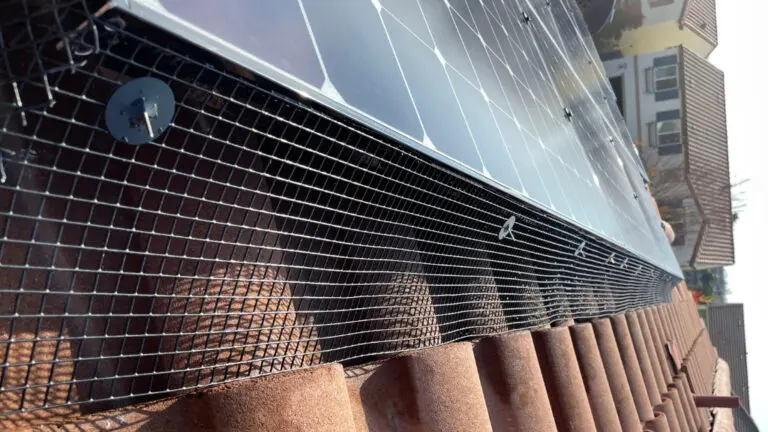
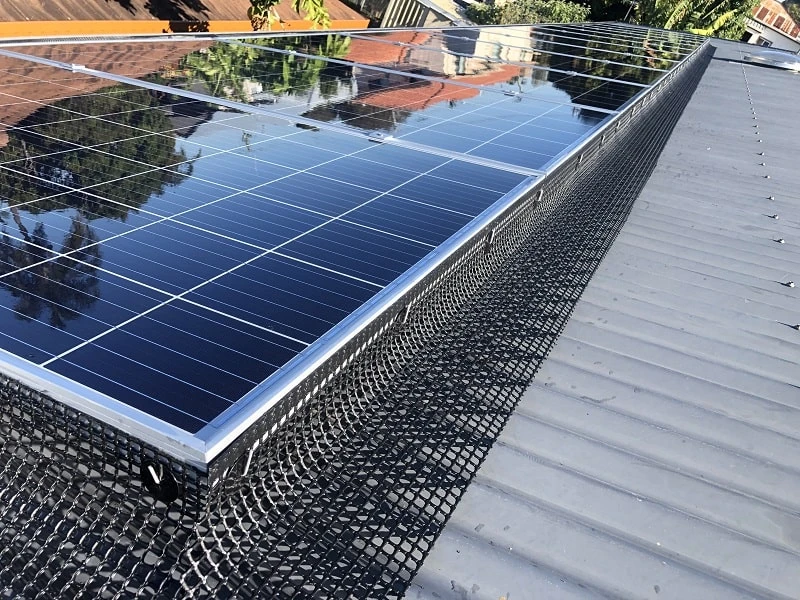
Bird mesh is a protective barrier that is installed around the perimeter of your solar panel system. Its main purpose is to block birds—and other pests—from getting underneath the panels.
The mesh is made of weather-resistant, durable materials such as stainless steel or coated wire. It doesn’t harm birds but makes it physically impossible for them to enter the space below your panels.
Benefits of Bird Mesh Installation
Here are some of the biggest advantages of installing bird mesh:
1. Long-Term Protection
Once installed, bird mesh provides a long-term solution to bird problems. It eliminates access points without harming the animals.
2. Maintains System Efficiency
By preventing nesting and buildup of debris, bird mesh ensures that your panels receive proper airflow and sunlight exposure.
3. Reduces Maintenance Costs
No more frequent cleaning of droppings or dealing with damage from birds chewing wires or building nests. That means fewer service calls and lower repair bills.
When to Search for “Solar Panel Bird Mesh Installation Near Me”
If you notice any of the following signs, it’s time to consider professional help:
- Frequent bird activity around your roof or panels
- Nesting materials scattered in gutters or on the ground
- A sudden drop in solar output without another obvious cause
- Visual signs of droppings, feathers, or nesting under the panels
Early action can save you from major damage and extended energy loss.
What to Expect During a Bird Mesh Installation
A professional installation team will start by inspecting your solar array and identifying the best way to seal off the panel edges. Here’s a general outline of the process:
- Inspection – Checking for current bird activity, nests, or existing damage.
- Cleaning – Removing all debris, droppings, and nests before installing the mesh.
- Installation – Securing mesh around the panel edges using clips or fasteners designed not to harm the roof or panel frame.
- Final Check – Ensuring that no gaps are left and the system is functioning properly.
Most residential installations can be completed within a few hours.
What Is Bird Repellent and How Is It Used?
In addition to bird mesh, some property owners use bird repellent to discourage birds from returning to the area. These repellents come in several forms, including:
- Gel or liquid deterrents: Sticky substances that make surfaces uncomfortable to land on.
- Reflective devices: Shiny objects that scare birds away using flashes of light.
- Ultrasonic devices: Emit sounds that are unpleasant to birds but silent to humans.
- Visual scare tactics: Fake predators like owls or hawks placed nearby.
While these methods can work well as supplementary solutions, they’re often more effective when paired with a physical barrier like bird mesh.
Tips for Preventing Birds Around Solar Panels
In addition to mesh and repellents, consider these steps to make your property less inviting to birds:
1. Eliminate food and water sources:
Remove pet food bowls, bird feeders, or open trash cans that attract birds to your yard.
2. Trim overhanging branches:
Trees near your roof give birds a launching point for nesting under panels. Keep limbs trimmed back to reduce access.
Choosing a Reliable Bird Mesh Installer
If you’re searching online for solar panel bird mesh installation near me, look for companies that offer:
- Licensed and insured technicians
- Experience with solar panel protection
- Eco-friendly and humane solutions
- Transparent pricing and warranties
- Positive reviews and local reputation
A reputable installer will ensure your panels are protected without compromising performance or safety.
Conclusion: Keep Birds Out and Solar Power Flowing
Birds may be small, but the damage they cause to solar panels can be significant. Investing in proper prevention—through bird mesh and effective bird repellent strategies—protects your clean energy system and your long-term savings.
If you're ready to shield your solar investment from unwanted guests, Golden Rays Solar Cleaning offers professional bird mesh installation and humane bird deterrent solutions tailored to your location and needs. Keep your panels clean, safe, and efficient—all year round.