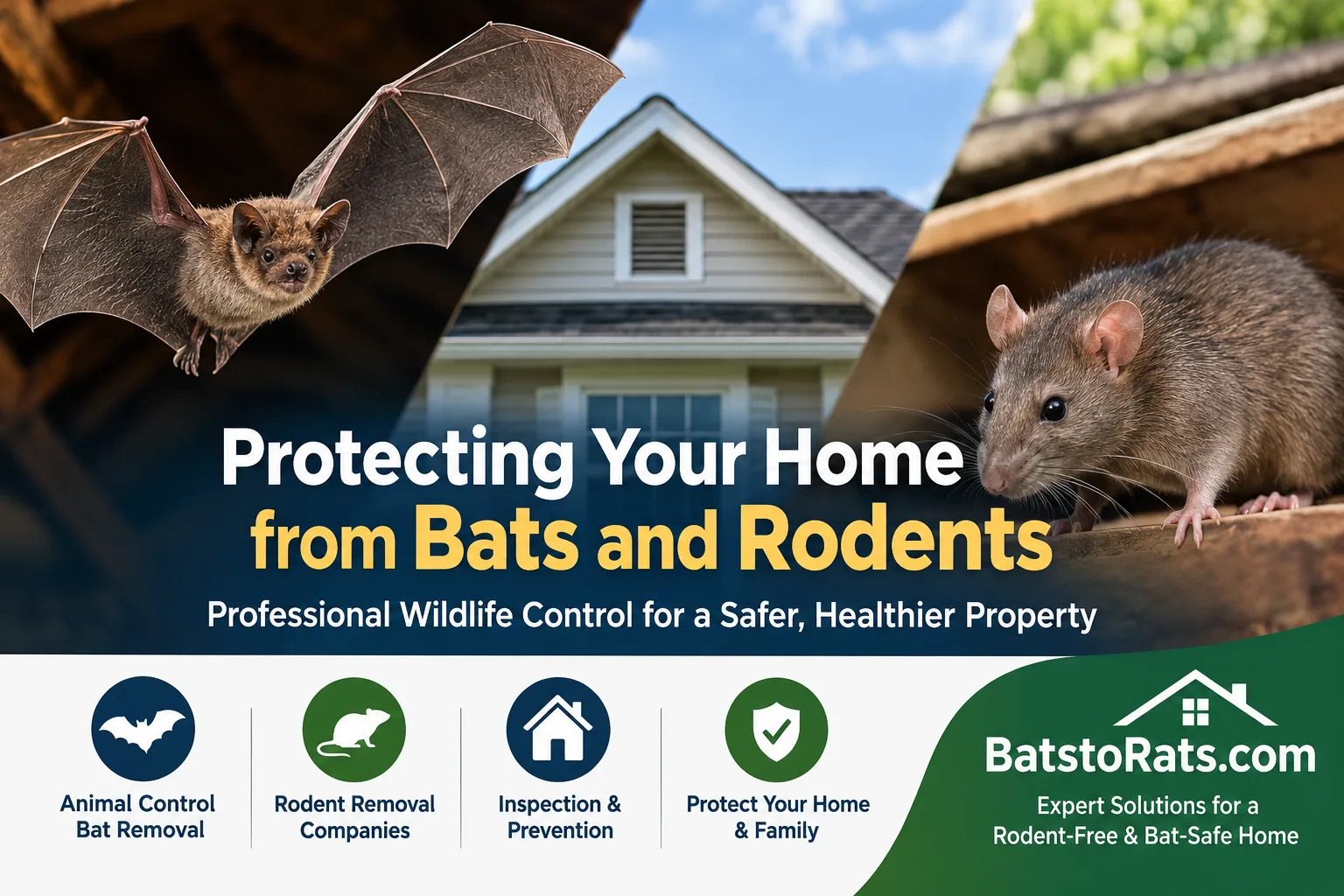
Wildlife plays an important role in the natural environment, but problems can arise when animals enter residential or commercial buildings. Bats may roost in attics and roof cavities, while rats and mice can nest in walls, garages, basements, and storage areas. These unwanted visitors can cause property damage, create sanitation concerns, and require professional attention.
Understanding the importance of responsible wildlife management can help property owners identify problems early and choose appropriate solutions. From animal control bat removal to rodent prevention, a systematic approach can help protect buildings and reduce the likelihood of recurring infestations.
Recognizing the Signs of Wildlife Activity
The first step in managing a wildlife problem is identifying the warning signs. Different animals leave different clues, and recognizing these signs can help determine when a professional inspection is necessary.
Bats may produce scratching or fluttering sounds in attics, particularly around dusk and dawn. Small, dark droppings near roof openings or repeated bat activity around the same section of a building may also indicate a roost.
Rodents, including rats and mice, often leave droppings near food storage areas, gnaw marks on packaging and building materials, and scratching sounds inside walls. Damaged insulation or shredded nesting materials may indicate activity in an attic or crawl space.
Because these signs can overlap with those of other animals, a professional assessment can help establish the source of the problem before treatment begins.
Why Professional Animal Control Bat Removal Is Important
Bats are beneficial animals that consume insects and contribute to healthy ecosystems. However, when they establish a roost inside a building, their presence can create concerns involving droppings, odors, and potential human contact.
Professional animal control bat removal focuses on identifying entry points and developing an appropriate exclusion plan. Rather than relying on harmful methods, qualified wildlife professionals can recommend measures designed to allow bats to leave safely while preventing their return.
A typical process may include:
- Inspecting rooflines, soffits, vents, and attic spaces.
- Identifying the species and assessing the extent of activity where possible.
- Planning exclusion around seasonal restrictions and the presence of dependent young.
- Allowing bats to exit through suitable exclusion devices when legally permitted.
- Sealing access points after confirming that bats have safely left the building.
Timing is particularly important. Sealing an opening while bats remain inside can trap them in the structure. Property owners should also avoid handling bats directly and seek medical advice promptly if a bite, scratch, or possible exposure occurs.
Understanding the Risks of Rodent Infestations
Rats and mice can enter buildings through gaps around pipes, damaged vents, foundation openings, and poorly sealed doors. Once inside, they may find food, water, and protected nesting spaces.
Rodent infestations can cause several problems. Gnawing may damage electrical wiring, insulation, stored belongings, and other building materials. Rodent droppings and urine can contaminate areas where food is prepared or stored. Persistent activity may also lead to unpleasant odors and additional repair costs.
Early action is helpful because rodents can reproduce quickly when conditions are favorable. Identifying the entry points and removing the factors attracting them are essential parts of a long-term prevention strategy.
How to Choose Reliable Rodent Removal Companies
When a rodent problem becomes difficult to manage, professional assistance may be appropriate. Comparing rodent removal companies can help property owners understand which services are available and select a suitable provider.
Consider these factors before making a decision:
Inspection and assessment: A service provider should investigate the affected areas, identify signs of rodent activity, and explain the likely sources of the infestation.
Appropriate control methods: Ask about the proposed treatment, how traps or bait stations will be secured, and what precautions are taken around children, pets, and non-target wildlife.
Entry-point prevention: Effective rodent management should consider how animals are entering the property. Sealing appropriate gaps and repairing damaged building materials can help reduce future access.
Clear pricing: Request a written estimate that explains inspection fees, treatment costs, follow-up visits, and any additional charges for repairs or cleanup.
Prevention advice: A professional should provide practical recommendations for food storage, sanitation, waste management, and ongoing monitoring.
These considerations help property owners look beyond immediate removal and focus on preventing the same problem from returning.
Practical Ways to Prevent Bats and Rodents
Although professional wildlife control can address existing problems, preventive maintenance is equally important. Buildings that are regularly inspected and maintained are generally less attractive to unwanted animals.
Start by checking the exterior for damaged roof materials, loose soffits, broken vent covers, and gaps around utility pipes. Repair suitable openings with durable materials, taking care not to block necessary ventilation or trap wildlife inside.
Keep garbage in secure containers and store pet food, birdseed, and other food supplies in tightly closed, rodent-resistant containers. Clean up food spills promptly and avoid allowing waste to accumulate around the property.
Trim branches that provide easy access to roofs, inspect storage areas regularly, and address water leaks that may provide a convenient source of moisture. If wildlife activity continues despite these measures, arrange a professional assessment rather than relying on unverified remedies.
Responsible Wildlife Management Protects Your Property
Bats and rodents require different control strategies, but both situations benefit from early identification, careful assessment, and appropriate prevention measures. Bat exclusion must account for wildlife protection requirements and seasonal considerations, while rodent control often involves targeted treatment, sanitation, and exclusion.
Property owners who understand these differences can make better decisions about protecting their homes and businesses. Working with an experienced wildlife control professional can also help minimize unnecessary harm to animals while addressing building damage and safety concerns.
For additional information about wildlife problems, removal options, and property protection, visit BatstoRats.com. Learning about the available solutions is a useful first step toward maintaining a cleaner, safer, and better-protected property.