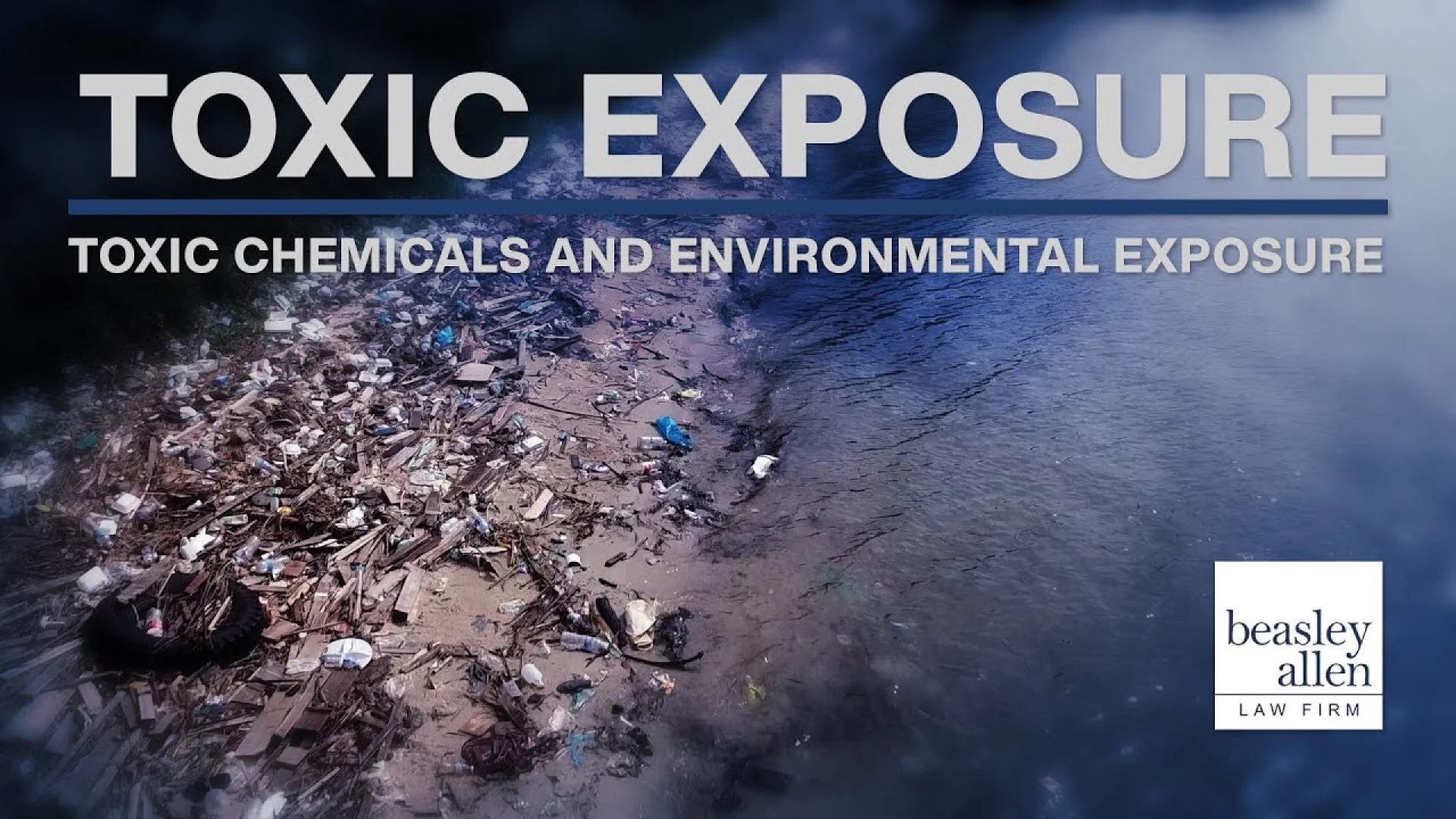
Every day, people come into contact with chemicals at work, in their homes, or through environmental pollution. While many of these substances are considered safe when handled properly, some can cause serious health problems after prolonged or accidental exposure. When negligence or lack of safety measures leads to illness or injury, victims may have grounds to file a Chemical Exposure Lawsuit. Understanding how these cases work can help individuals and businesses navigate this complex but vital area of law.
What Is a Chemical Exposure Lawsuit?
A Chemical Exposure Lawsuit is a legal action filed by individuals who have suffered harm due to exposure to hazardous substances. This exposure may occur in workplaces such as factories, construction sites, or laboratories, or through environmental contamination like polluted water or air. The goal of such a lawsuit is to hold the responsible party often an employer, manufacturer, or property owner accountable for their negligence and to seek compensation for medical costs, lost wages, and long-term suffering.
Common Chemicals Linked to Exposure Lawsuits
Over the years, several toxic substances have been at the center of high profile Chemical Exposure Lawsuit cases. Some of the most common include:
- Asbestos: Known to cause mesothelioma and lung cancer after long-term inhalation.
- Benzene: Common in industrial environments and linked to leukemia.
- Pesticides: Agricultural workers frequently suffer from neurological or respiratory conditions after exposure.
- Lead: Causes brain damage and developmental issues, particularly in children.
- Toxic mold and cleaning agents: Can lead to respiratory issues and skin irritation.
Each of these chemicals has severe health implications, and proving their impact requires medical documentation and expert testimony.
Signs You May Have Been Exposed
Exposure symptoms often develop gradually, making it difficult to connect health issues directly to a specific chemical. However, some warning signs may indicate that you’ve been affected:
- Persistent coughing, wheezing, or shortness of breath
- Chronic fatigue and dizziness
- Skin rashes or burns
- Frequent headaches or nausea
- Unexplained neurological symptoms like memory loss or tremors
If you notice any of these symptoms and suspect they may be related to chemical exposure, it’s important to seek medical attention and keep detailed records of your condition.
Steps to Take After Suspected Chemical Exposure
If you believe you’ve been exposed to harmful chemicals, taking immediate action can protect both your health and your legal rights:
- Seek medical attention right away and obtain a full diagnosis.
- Document everything — from your symptoms to where and how the exposure occurred.
- Report the incident to your employer or local health authorities if applicable.
- Consult an attorney experienced in Chemical Exposure Lawsuit cases for professional guidance.
- Avoid further exposure by removing yourself from the hazardous environment if possible.
These steps not only ensure your safety but also strengthen your case should you decide to pursue legal action.
Proving Liability in a Chemical Exposure Lawsuit
To win a Chemical Exposure Lawsuit, the plaintiff must prove that the defendant’s negligence directly caused their injuries. This often involves demonstrating that:
- The defendant had a duty to protect you from exposure.
- They breached that duty by failing to follow safety regulations or provide warnings.
- The breach directly led to your illness or injury.
- You suffered measurable damages as a result (medical costs, lost income, pain, etc.).
Evidence may include workplace safety records, chemical testing reports, expert medical opinions, and witness statements. Because these cases can be complex, working with a skilled attorney familiar with environmental and occupational law is essential.
Compensation You May Be Entitled To
Successful plaintiffs in a Chemical Exposure Lawsuit can recover a range of damages, depending on the severity of their injuries. Compensation may include:
- Medical expenses for treatment and rehabilitation
- Lost wages and reduced earning capacity
- Pain and emotional suffering
- Punitive damages (in cases of extreme negligence)
For families who have lost a loved one due to toxic exposure, wrongful death claims can also be pursued to cover funeral costs and loss of companionship.
The Role of Businesses in Preventing Chemical Exposure
For businesses, preventing chemical exposure is not just a legal obligation it’s a moral responsibility. Implementing proper safety measures can protect both employees and the company’s reputation. Businesses should:
- Regularly train employees on safe chemical handling.
- Provide protective gear and ventilation systems.
- Comply with Occupational Safety and Health Administration (OSHA) standards.
- Conduct routine safety inspections and hazard assessments.
- Maintain accurate records of chemical storage and disposal practices.
By fostering a culture of safety, businesses can reduce the likelihood of accidents and avoid costly lawsuits that may damage their credibility.
Final Thoughts
A Chemical Exposure Lawsuit can be life changing for victims suffering from long term health problems caused by negligence. Understanding your rights and taking timely action can help you recover compensation and push industries to maintain higher safety standards. For businesses, proactive compliance and employee protection can prevent legal and financial setbacks. In the end, awareness, prevention, and accountability remain the strongest defenses against chemical related harm.