As electronic devices, industrial sensors, and environmental monitoring systems continue to miniaturize, protecting sensitive wiring and micro-fluidic sensors from harsh operating environments has become a critical engineering priority. Modern circuit boards, fiber optic networks, and field monitoring probes are frequently exposed to high temperatures, moisture, corrosive chemicals, and mechanical abrasion. To prevent short circuits, signal degradation, and physical damage, engineers rely on high-precision plastic tubing as protective conduits, insulating sleeves, and fluid sampling channels.
Thermal and Chemical Insulation in Harsh Environments
In high-temperature electronics, chemical processing sensors, and aerospace monitoring gear, protective sleeving must withstand continuous heat exposure and aggressive solvents without melting, cracking, or outgassing. For these extreme conditions, high precision PTFE tubing serves as an ideal electrical insulator and chemical barrier.
PTFE exhibits exceptional dielectric strength, making it an outstanding choice for insulating high-voltage leads, thermocouple sensors, and dense wiring harnesses. Its chemical inertness ensures that delicate sensors routed through corrosive industrial liquids or environmental sampling sites remain protected from chemical attack. The uniform wall thickness and tight tolerances of high-precision PTFE tubing ensure consistent insulation resistance across the entire length of the assembly.
Structural Integrity in Field Sensing and Instrumentation
In outdoor environmental monitoring, marine research, and industrial automation, sensor tubing is frequently subjected to mechanical impact, tension, and external pressure. For fluid delivery channels, pneumatic sensor lines, and structural protective sleeves, engineering small diameter plastic tubing manufactured from materials like Polyamide 12 (PA12), PBT, or POM offers high mechanical strength and dimensional stability.
PA12 tubing, for instance, exhibits low moisture absorption and superior resistance to UV exposure and mechanical fatigue. When deployed in underground soil sensors or water quality testing equipment, engineering-grade tubing maintains its structural shape, protecting internal fiber optics or delicate wires from external crushing forces and environmental degradation.
Everyday Cable Management and Wire Protection
In standard electronic enclosures, consumer appliances, and indoor sensor wiring, protective conduits do not always require extreme thermal resistance. For basic wire bundling, strain relief, and low-voltage insulation, general small diameter plastic tubing made from Polyethylene (PE), Polypropylene (PP), or flexible PVC offers a practical, versatile, and economical solution.
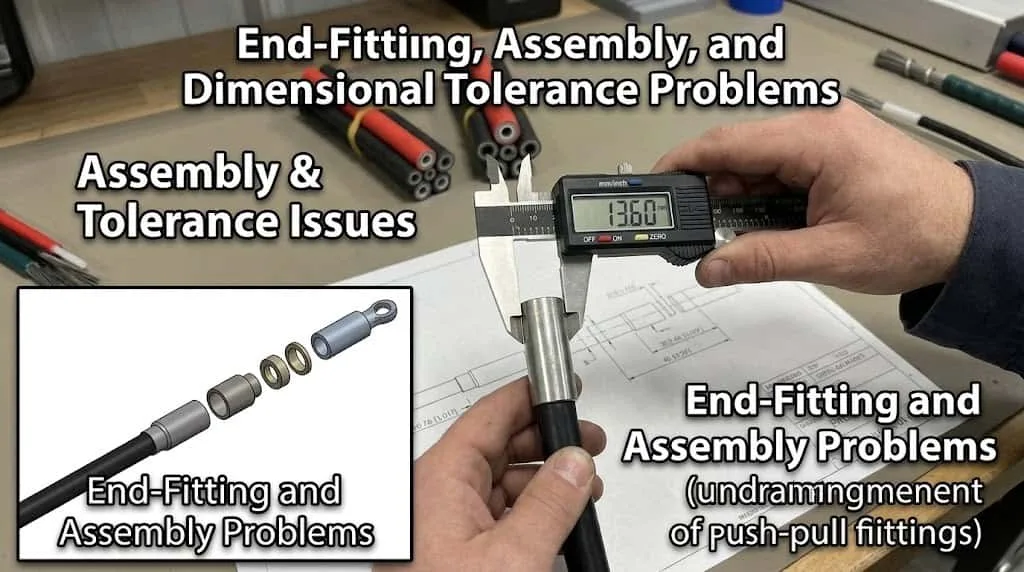
General-purpose plastic tubing provides reliable dielectric insulation, neat cable management, and protection against dust and moisture ingress. Maintaining tight outer and inner diameter tolerances on general tubing ensures easy manual or automated assembly into tight electronic enclosures and connector grommets.
Precision Manufacturing Capabilities of Keli
Ensuring reliable performance in electronic and sensor applications requires precise material processing and uniform extrusion quality. Keli offers advanced manufacturing capabilities dedicated to producing high-precision small-diameter plastic tubing for electronic, sensor, and industrial equipment markets. By employing state-of-the-art extrusion lines equipped with real-time laser measurement systems, Keli ensures exceptional wall thickness uniformity and tight dimensional tolerances down to ±0.05 mm.
Keli offers comprehensive customization options, including custom color coding for wire identification, specialized material blends, anti-static formulations, and cut-to-length services. With a commitment to quality and technical excellence, Keli helps electronics manufacturers and sensor engineers design reliable protective solutions for complex technical applications.
Conclusion
Effective insulation and physical protection are vital for maintaining the accuracy and long-term durability of modern electronic and sensor systems. By pairing high-performance fluoropolymer tubing with robust engineering resins and flexible general-grade plastics, engineers can safeguard sensitive components against severe thermal, chemical, and mechanical risks. Keli provides the expertise, material selection, and precision manufacturing necessary to meet the evolving demands of the electronics industry.
Protecting Delicate Electronics: Thermal, Chemical, and Mechanical Tubing Insulation