Brooklyn is well known for its iconic brownstone buildings. These historic properties are an important part of the borough’s architectural identity and continue to attract homeowners who appreciate their character and craftsmanship. While brownstones offer timeless beauty, maintaining these buildings requires special attention, particularly when it comes to roofing systems.
Unlike many modern homes, brownstones were constructed using materials and structural designs that reflect building practices from more than a century ago. Although these properties were built to be durable, time and environmental exposure inevitably affect their structural components. The roof, which serves as the building’s first line of defense against weather conditions, is especially vulnerable to gradual wear.
Protecting brownstone roofs in Brooklyn requires an understanding of how these historic structures function and how modern maintenance practices can preserve their integrity without compromising their original design.
One of the most significant factors affecting brownstone roofs is age. Many of these buildings were constructed in the late nineteenth or early twentieth century. Over decades of exposure to rain, snow, heat, and wind, roofing materials gradually weaken.
Older roofing systems may include layers of materials that have been repaired or replaced multiple times throughout the building’s history. While these repairs may have extended the roof’s lifespan, they can also create uneven surfaces or hidden structural vulnerabilities.
Another characteristic of brownstone properties is their architectural complexity. Unlike simple roof structures found on many modern homes, brownstones often feature decorative cornices, parapet walls, and intricate masonry along the roofline. These features contribute to the building’s aesthetic appeal but can also create areas where water collects or where roofing materials must be carefully sealed.
Parapet walls, for example, extend above the roof surface and are common in many Brooklyn brownstones. While they provide protection against wind and improve fire resistance between neighboring buildings, they also require careful waterproofing.
When moisture enters cracks in the masonry, freeze-thaw cycles during winter months can gradually expand these openings. Over time, the damage may spread and allow water to reach the roofing structure beneath.
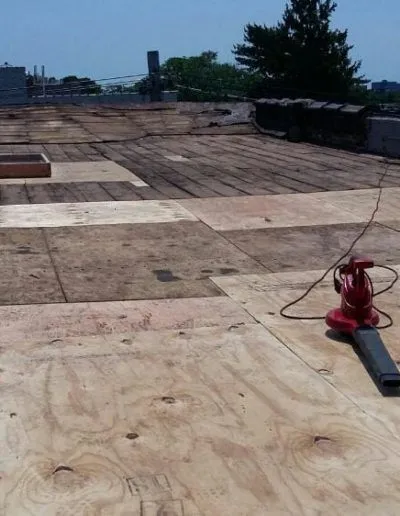
Proper drainage is another critical factor in maintaining brownstone roofs. Many of these buildings feature flat or low-slope roofs, which rely heavily on drainage systems to prevent water accumulation. During heavy rainstorms, large volumes of water must be directed away from the roof quickly.
If drains or gutters become clogged with debris, water may remain on the roof surface longer than intended. Standing water places additional pressure on roofing membranes and can accelerate material deterioration.
Humidity and temperature fluctuations also play a role in the aging process of roofing materials. New York’s climate exposes buildings to hot, humid summers and cold winters. These changes cause roofing materials to expand and contract repeatedly throughout the year.
Over time, this movement can weaken seams between materials or cause protective coatings to break down. Once these protective layers deteriorate, the underlying roofing structure becomes more vulnerable to moisture intrusion.
For brownstone homeowners, early detection of roofing problems is essential. Because roof damage often begins in hidden areas, many property owners remain unaware of issues until interior warning signs appear.
Water stains on ceilings, peeling paint near upper walls, or damp insulation may indicate that moisture has entered the roofing system. When these signs appear, prompt evaluation is necessary to prevent further structural damage.
Regular roof inspections are one of the most effective ways to maintain the health of a brownstone roof. Professional roofing contractors understand how to evaluate historic structures and identify areas that require maintenance or repair.
An inspection typically involves examining roofing membranes, flashing around chimneys or skylights, drainage systems, and the condition of parapet walls. Identifying small issues early allows repairs to be completed before the damage spreads.
Homeowners often benefit from working with a Brooklyn brownstone roofing expert who understands the unique challenges associated with maintaining historic properties. Experienced professionals are familiar with the materials and construction methods commonly used in brownstones and can recommend solutions that preserve the building’s character while improving its durability.
In some cases, roofing upgrades may involve installing modern materials designed to improve water resistance and longevity. When these materials are integrated carefully with the original structure, they can enhance the roof’s performance without altering the building’s historic appearance.
Preventive maintenance also plays a major role in protecting brownstone roofs. Cleaning gutters regularly, clearing debris from drainage outlets, and addressing minor cracks or flashing issues can significantly reduce the risk of water infiltration.
By maintaining these systems consistently, homeowners can extend the life of their roofing structures and protect the architectural heritage that makes Brooklyn’s brownstones so distinctive.
Owning a brownstone is both a privilege and a responsibility. These historic buildings contribute to the cultural landscape of the city and require thoughtful care to remain strong and beautiful for future generations.
Through regular inspections, professional maintenance, and timely repairs, property owners can ensure that their brownstone roofs continue to protect their homes while preserving the character that makes these buildings an enduring symbol of Brooklyn.