
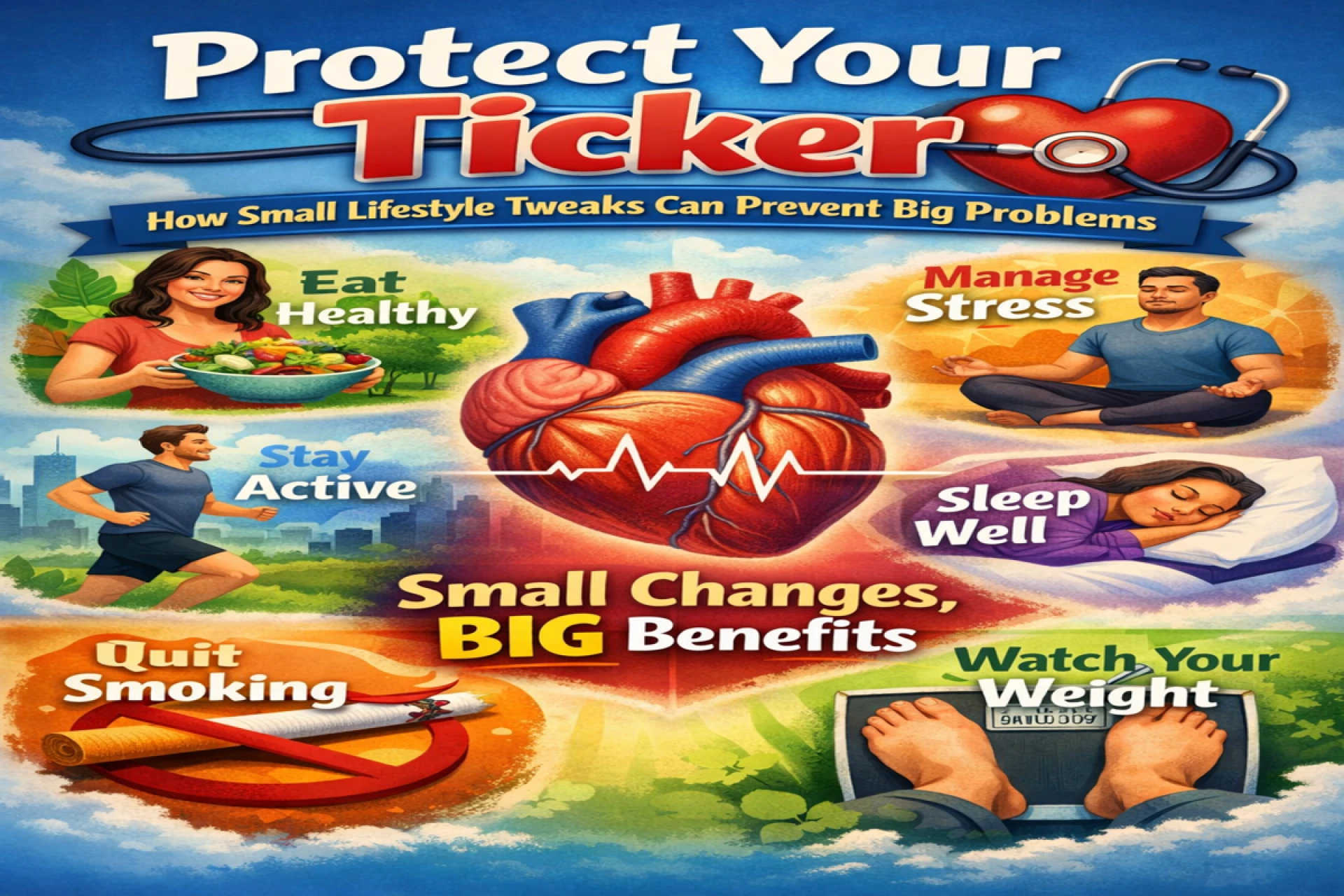
The heart serves as a remarkable organ functioning without stopping to sustain human body operations. Footrust care stands neglected by people although heart disease kills more people globally than any other condition. Several minor activities that you can easily manage in your daily routine will produce important outcomes that stop major heart conditions from occurring. Regular behavioral changes in your daily sequence will safeguard your heart health as well as decrease heart attack risks.
This blog will provide important tips for a healthy heart which allows you to take control of your cardiovascular wellness. You will understand the impact of minor lifestyle changes in this piece which stops future major health issues.
The Impact of Modern Lifestyles on Heart Health
The high living standards now challenge large population groups to uphold wholesome behavioral patterns. Inactive work patterns combined with unhealthy food availability together with elevated stress levels cause heart-related illnesses to rise. The Centers for Disease Control and Prevention (CDC) counts heart disease as the top of death causes among both male and female patients in India.
The majority of heart disease occurrences remain preventable while tips for a healthy heart exist that people should follow. Small behavioral changes including these lifestyle adjustments will lead to significant heart health improvement. The reduction of heart disease and heart attack complications later in life becomes achievable through deliberate management of a poor diet combined with lack of exercise high blood pressure and high cholesterol risk factors.
Small Lifestyle Change
#1: The Power of Physical Activity
While regular physical activity is one of the best ways to prevent heart disease, it also lowers blood pressure, raises good cholesterol levels, cleans up bloodstreams, which makes it very important for the heart. According to the AHA, "150 minutes of moderate-intensity aerobic activity or 75 minutes vigorous activity" are needed per week.
You do not have to go very far into exercises that will take you long hours in a gym west on sweating. Simple activities such as walking, biking, swimming, or even doing your gardening can improvise your cardiovascular condition. Finally, remember to incorporate movement at school by using the stairs instead of an elevator, parking farther away from your destination, or taking quick walking breaks within office hours.
Eventually, they build up, and your heart will thank you. The key is to be consistent: physical activity becomes part of your lifestyle rather than a short-term goal that prevents further heart attack complications.
#2: A Heart-Healthy Diet
What you eat plays a huge part in the health of your heart. A diet high in impregnated fats, sugars, and swabs can contribute to high cholesterol, high blood pressure, and weight gain — factors that significantly increase the threat of heart complaints and heart attack complications.
Rather, concentrate on eating a variety of heart-healthy foods, including
• Fruits and vegetables These give vital nutrients and antioxidants that cover against inflammation and cell damage.
• Whole grains Brown rice, quinoa, and oats help regulate cholesterol and blood sugar situations.
• spare proteins Fish, flesh, sap, and legumes are excellent sources of protein without the dangerous fats set up in red flesh.
• Healthy fats Olive oil painting, nuts, and seeds give heart-healthy fats that help ameliorate cholesterol situations and reduce inflammation.
Moderating your input of alcohol and caffeine is also important for heart health. Inordinate alcohol consumption can lead to high blood pressure and an increased threat of heart complaints, while too important caffeine may elevate heart rate and blood pressure.
Espousing a heart-healthy diet doesn’t have to mean fully catching your reflections. Start by making gradational changes, like switching out reused snacks for healthier druthers or concluding for grilled rather than fried foods. Over time, these small salutary adaptations will significantly contribute to a healthy heart and help implicit complications like heart attacks.
#3: Stress Management and Mental Well-Being
Habitual stress can inflict annihilation on your heart. When you’re stressed, your body releases stress hormones like cortisol and adrenaline, which increase your heart rate and blood pressure. Over time, this nonstop strain on your cardiovascular system can increase your threat of heart complaints and heart attack complications.
Fortunately, managing stress is easier than most people suppose. Simple relaxation ways can help lower stress situations and cover your heart. Try
• Deep breathing exercises: Take many twinkles each day to breathe deeply and sluggishly to spark your body’s relaxation response.
• Yoga and contemplation: These practices aren't only great for stress relief but also help ameliorate inflexibility and heart health.
• Awareness: Being present in the moment and rehearsing awareness can reduce anxiety and promote a sense of calm.
It’s also important to find time for conditioning that brings you joy and relaxation. Whether it’s spending time with loved ones, enjoying a hobby horse, or simply taking a walk in nature, make sure to sculpt out moments in your day-to-day stress.
#4: Sleep Quality and Heart Protection
The connection between sleep and heart health is frequently overlooked. Poor sleep has been linked to an increased threat of heart complaints, high blood pressure, and indeed heart attacks. Sleep is when your body repairs itself, regulates hormones, and recharges — so it’s essential to prioritize sleep for overall heart protection.
To ameliorate sleep quality, consider these tips.
• Stick to a harmonious sleep schedule, indeed on weekends, to help regulate your body’s internal timepiece.
• Limit screen time before bed, as the blue light from phones, tablets, and computers can disrupt your sleep cycle.
• produce a comforting bedtime routine Consider reading a book, taking a warm bath, or rehearsing relaxation ways before going to sleep.
• Keep your bedroom cool, dark, and quiet to produce an ideal terrain for rest.
Still, like wakefulness or sleep apnea, it’s important to consult with a healthcare provider to address the issue before it impacts your heart health If you’re floundering with sleep diseases.
#5: Regular Health Screenings
One of the stylish ways to help heart attack complications and other cardiovascular problems is through regular health wirework. Numerous people have threat factors for heart complaints — similar to high blood pressure, high cholesterol, or diabetes — without realizing it. Regular wirework can catch implicit problems beforehand when they’re more manageable.
Then are some crucial wireworks to keep on your radar.
• Blood pressure High blood pressure is a leading cause of heart complaints and can beget damage to your highways. It’s important to have your blood pressure checked at least once a time.
• Cholesterol situations High cholesterol can lead to shrine buildup in your highways, adding the threat of heart attacks and strokes. Get a cholesterol check every 4- 6 times if you’re over 20, or more constantly if you have threat factors.
• Blood sugar undressed diabetes or prediabetes can increase the threat of heart complaints. Regular blood sugar testing can help catch implicit issues beforehand.
Don’t skip your periodic check-ups — these wireworks can be life-saving, especially when combined with other life changes.
The Role of Consistency: How Small Tweaks Add Up Over Time
Making small adaptations to your diurnal routine may not feel like a drastic change, but over time, these harmonious conduct add up. It’s important to flashback that heart health isn’t achieved through a one-time trouble — it’s a lifelong commitment. When you constantly follow these tips for a healthy heart, your threat of cardiac issues such as heart attacks, and associated complications will drop significantly.
As you make each small tweak, celebrate your progress. Whether it’s walking a redundant afar, eating a heart-healthy mess, or sleeping better, every small action counts.
Conclusion: Prioritizing Heart Health
Your heart works hard every day, and it’s up to you to support it with healthy habits. From regular exercise and a balanced diet to managing stress and getting quality sleep, small life changes can have a huge impact on precluding heart attack complications.
By making these tweaks, you’re not only enhancing your heart health moment but also guarding your future well-being. Prioritize your ticker, take these tips for a healthy heart, and start enforcing these changes moment.