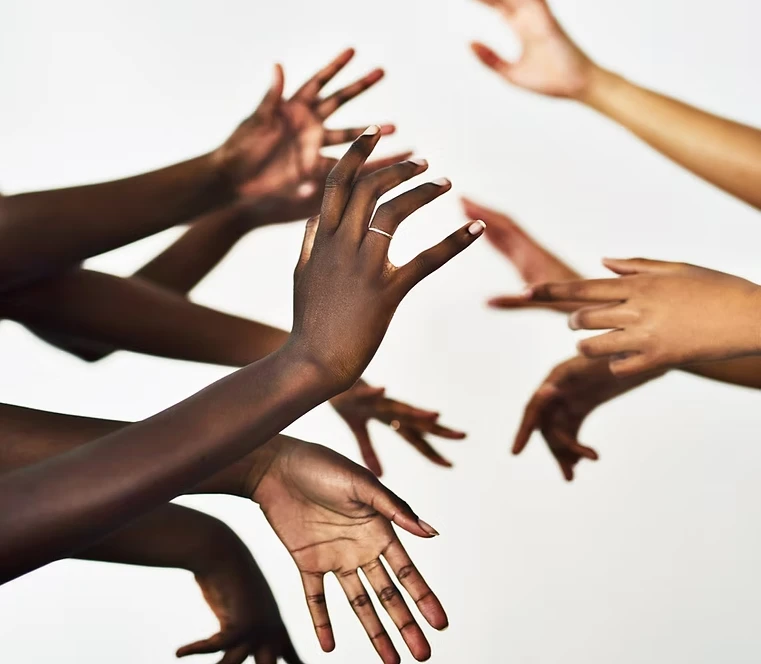
We all are cultural beings. Whether it is gender, race, ethnicity, sexual orientation, socioeconomic status or more, our identities—and the intersections between them—have an integral impact on who we are and how we experience life. Often, the various identities we sustain are overlooked, minimized, scrutinized, or even oppressed by others. These pressures can reverberate across generations, resulting in intergenerational trauma, disconnection, and loss of cultural knowledge. A multicultural counseling center addresses these challenges by facilitating intergenerational healing that honors ancestral wisdom while acknowledging historical injustices. By bridging generational gaps through culturally attuned therapy, these centers help families reclaim resilience and restore cultural continuity.
Recognizing Intergenerational Patterns
Traumatic experiences—such as colonization, forced migration, or systemic racism—often leave imprints on subsequent generations. A multicultural counseling center works with clients to identify how these historical traumas manifest in family dynamics. For example, a therapist might explore how grandparents’ experiences of discrimination shape parenting styles, communication patterns, or emotional expression in later generations. Counselors ask questions like, “What stories have been passed down about your family’s past struggles?” or “How do these stories influence your sense of self?” By unveiling these intergenerational patterns, clients gain insight into behaviors and beliefs that may have been unconsciously inherited, paving the way for intentional healing.
Facilitating Intergenerational Dialogues
A powerful intervention at a multicultural counseling center involves facilitated intergenerational dialogues. In family therapy sessions, therapists invite members from different age groups—grandparents, parents, and children—to share their experiences and perspectives. For instance, elders might recount their migration experiences, while younger family members discuss contemporary identity challenges. With cultural sensitivity, counselors guide conversations to ensure that each voice is respected. These dialogues often reveal unspoken wounds—such as grief over lost languages or cultural practices—and provide an opportunity for mutual understanding. By fostering open communication, a multicultural counseling center strengthens familial bonds and honors ancestral legacies.
Integrating Culturally Rooted Rituals
Healing intergenerational wounds often requires more than talk therapy; it calls for culturally rooted rituals that reconnect families to their heritage. A multicultural counseling center might incorporate art therapy using traditional motifs, music and dance from ancestral cultures, or storytelling ceremonies that celebrate family history. For example, a Filipino family might participate in a “Paglalugay” storytelling circle where elders share folk tales, while a Native American family may engage in a sweat lodge ceremony adapted for therapeutic settings. These rituals allow families to collectively acknowledge past pain and celebrate cultural resilience. By integrating ancestral practices into therapy, a multicultural counseling center restores a sense of belonging that spans generations.
Conclusion
Intergenerational trauma and disconnection can erode cultural continuity and mental health across family lines. A multicultural counseling center promotes intergenerational healing by recognizing inherited patterns, facilitating open dialogues, and integrating culturally rooted rituals. In honoring ancestral wisdom and addressing historical wounds, these centers help families reclaim resilience and reconnect with their heritage. By weaving intergenerational healing into therapeutic practice, a multicultural counseling center cultivates enduring wellness that nurtures both present and future generations.