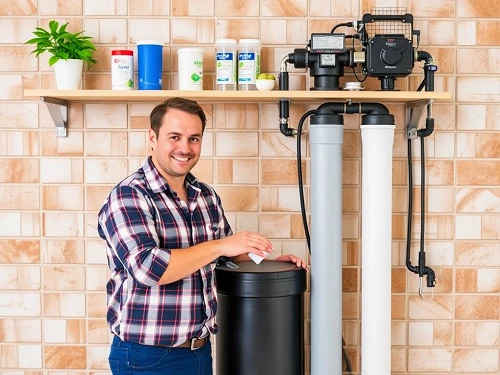
Experience the Difference with Expert Water Softener Installation
Hard water is a silent troublemaker in many households, leaving behind chalky residue, clogging pipes, damaging appliances, and drying out your skin and hair. If you’re tired of dealing with these ongoing issues, installing a water softener can be a transformative solution for your home. But to truly get the most out of this system, professional installation is essential.
Why Choose a Water Softener?
A water softener works by removing minerals like calcium and magnesium from your water supply. These minerals, while not harmful to health, are notorious for causing scale buildup and reducing the efficiency of water heaters, dishwashers, and washing machines. With a properly installed water softening system, you’ll enjoy:
- Longer-lasting plumbing and appliances
- Sparkling dishes and cleaner laundry
- Softer skin and smoother hair
- Reduced use of soap and detergent
This not only improves your quality of life but also saves money over time.
The Importance of Professional Installation
Installing a water softener is not a one-size-fits-all task. Every home has different plumbing setups, water usage needs, and space limitations. Professional installation ensures that:
- The system is sized correctly for your household
- It’s connected properly to the main water line
- Bypass valves are installed for easy maintenance
- Drain lines are positioned to avoid flooding or backflow issues
Attempting DIY installation can lead to inefficiencies or even water damage if not done correctly. Certified technicians understand local plumbing codes, have the right tools, and provide long-lasting results with minimal disruption.
Types of Water Softeners Available
There are several types of water softening systems, and a professional can help you choose the best one based on your water hardness levels and household needs:
- Salt-Based Ion Exchange Softeners – The most common type, using resin beads to trap minerals and replace them with sodium or potassium.
- Salt-Free Conditioners – Great for those looking for scale prevention rather than removal; these don’t require salt or electricity.
- Dual-Tank Softeners – Ideal for larger homes or properties with high water usage, ensuring continuous soft water during regeneration cycles.
- Magnetic or Electronic Descalers – Less invasive, these alter the electromagnetic properties of hard water minerals to reduce buildup, though results may vary.
What to Expect During Installation
When you schedule a professional installation, here’s how the process typically unfolds:
- Assessment: A technician will test your water, inspect your plumbing, and help you choose the ideal system.
- Placement: The softener is installed near your water main, often in a utility room, basement, or garage.
- Connection: The unit is connected to the main line, and the appropriate drainage and power supplies are established.
- System Testing: Once installed, the technician will test the water flow, check for leaks, and ensure the system is regenerating properly.
- Tutorial: You’ll receive a full walkthrough of how to maintain the system, when to add salt (if applicable), and how to spot any issues.
Long-Term Maintenance and Peace of Mind
Most professional water softener installations come with a warranty and optional service plans. This provides ongoing peace of mind and ensures your system runs at peak efficiency. Regular maintenance like resin bed cleaning, valve checks, and salt level monitoring is simple—but knowing you have expert support if something goes wrong makes a big difference.
Conclusion
If you’re ready to upgrade your home with softer, cleaner water, professional water softener installation is the first and most important step. You’ll not only protect your home and appliances but also enjoy everyday comfort improvements. Contact a trusted local installer today and feel the difference in every drop.