
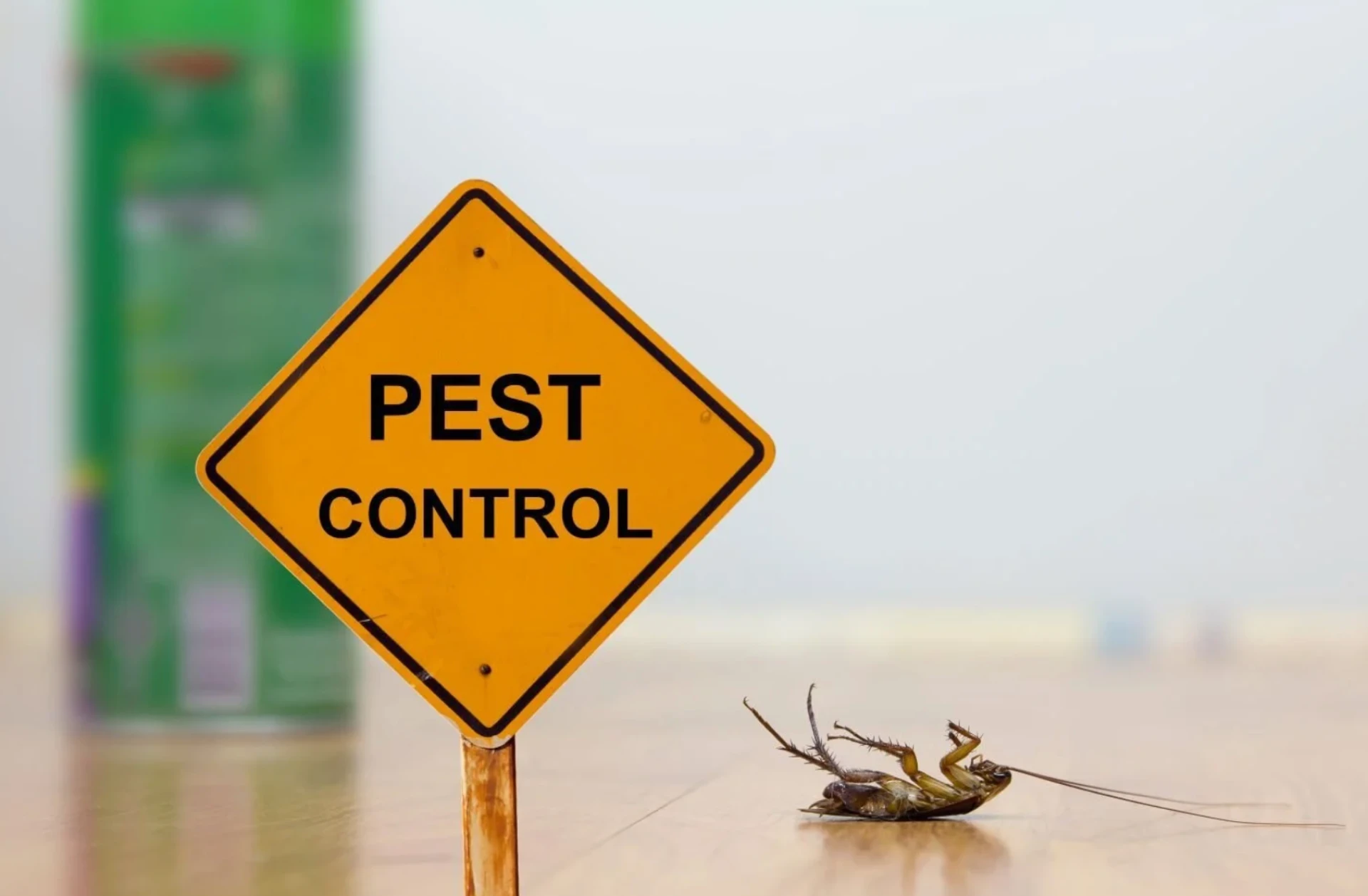
Every homeowner dreams of a safe, comfortable living space—a place where family, friends, and even pets can relax without worry. But nothing disrupts that peace faster than unwanted pests. Ants in the kitchen, spiders in the basement, termites in the walls, or rodents in the attic aren’t just inconveniences. They’re warnings.
Pests are more than a nuisance; they can damage property, spread diseases, and create an environment that feels anything but safe. While do-it-yourself sprays and traps might provide temporary relief, they rarely address the root of the problem. That’s where pest control services come in. Professional solutions don’t just fight pests—they prevent infestations and protect your home in the long run.
This guide explores why professional pest control is so important, the risks of ignoring infestations, and what you should expect when working with experts.
1. Protecting Your Health and Safety
Many common pests aren’t just unsettling; they can be dangerous.
- Rodents carry diseases such as salmonella and hantavirus. They also contaminate food supplies with droppings and urine.
- Cockroaches are known to trigger asthma and allergies, especially in children.
- Mosquitoes can transmit viruses, making backyard activities less safe.
- Ticks spread Lyme disease and other infections.
- Spiders—though most are harmless—can deliver painful bites, and in rare cases, serious reactions.
When pests make themselves at home, your family’s health is at risk. Professional pest control targets not only the visible intruders but also the hidden ones, ensuring your household remains safe.
2. Preventing Costly Property Damage
Beyond health risks, pests can wreak havoc on your home’s structure.
- Termites silently eat away at wood, causing thousands of dollars in damage before you even realize they’re there.
- Carpenter ants hollow out wooden beams, weakening structural integrity.
- Rodents chew electrical wires, increasing the risk of fire.
- Carpet beetles and moths damage furniture, clothing, and fabrics.
DIY measures rarely catch infestations early enough to prevent serious damage. Regular professional inspections and treatments save you from expensive repairs by addressing problems before they escalate.
3. Customized Solutions for Every Home
Every house is different, and so is every infestation. What works for a neighbor’s spider problem may not work for your rodent issue. Professional pest control isn’t one-size-fits-all. Experts take into account:
- The type of pest you’re dealing with.
- The size and layout of your home.
- Environmental factors like weather, yard conditions, and nearby vegetation.
- Any pets or children who live in the house.
With this information, they create tailored treatment plans that solve the problem effectively without unnecessary chemicals.
4. Long-Term Prevention—Not Just a Quick Fix
DIY sprays and traps often address pests you can see, but the real problems are usually hidden—nesting sites, entry points, or colonies underground. Professional pest control looks at the bigger picture.
Services often include:
- Sealing cracks and entry points.
- Regular treatments to deter seasonal infestations.
- Monitoring for early signs of trouble.
- Education on how to make your home less attractive to pests.
The goal isn’t just to get rid of today’s problem—it’s to prevent tomorrow’s.
5. Saving Time and Reducing Stress
Few things are more stressful than realizing pests are in your home. DIY attempts can mean hours of research, multiple trips to the store, and repeated applications that may or may not work. Meanwhile, the problem can worsen.
With professional help, you skip the trial and error. Experts know what to look for, where to look, and how to fix it quickly. That peace of mind—knowing your home is protected—is priceless.
6. Eco-Friendly and Safe Practices
Many homeowners worry about the impact of pest control on their family, pets, or environment. Professional providers today often use targeted treatments designed to minimize risks while maximizing effectiveness.
Rather than blanket spraying with harsh chemicals, they apply treatments precisely where needed, use environmentally friendly options when possible, and always prioritize safety.
This balance means you can protect your home without compromising the health of those living in it—or the natural ecosystem outside it.
7. Expertise You Can’t Get from a Spray Can
Pest control technicians aren’t just people with equipment—they’re trained professionals. They understand pest biology, behavior, and lifecycles. This knowledge allows them to eliminate pests more effectively and prevent re-infestations.
For example:
- They know that killing visible ants isn’t enough—you need to target the colony.
- They can identify termite mud tubes and treat them before structural damage spreads.
- They understand how rodents enter and can block those pathways permanently.
That expertise is what transforms short-term fixes into lasting protection.
8. Peace of Mind for Homeowners
At the end of the day, professional pest control is about peace of mind. You don’t have to worry about what’s crawling in the walls, nesting in the attic, or scurrying across the floor when the lights are out. You can enjoy your home fully, knowing it’s safe, healthy, and protected.
9. What to Expect from a Professional Pest Control Service
If you’ve never worked with a pest control provider before, you might wonder what the process looks like. Most companies follow a similar structure:
- Inspection – Technicians thoroughly check your property to identify pests, damage, and entry points.
- Assessment – They explain the problem, the risks, and the recommended treatment options.
- Treatment – Targeted applications are performed based on the type of pest and severity of infestation.
- Follow-Up – Many services include regular visits to monitor and prevent recurrence.
- Advice – Professionals often share tips for keeping your home pest-free, like sealing gaps, managing food storage, and maintaining landscaping.
10. Why DIY Isn’t Enough
It’s easy to think you can handle pests with store-bought sprays, traps, or home remedies. While these may reduce symptoms temporarily, they rarely address the source. Pests breed quickly, hide in inaccessible places, and adapt to simple solutions.
DIY efforts can also be risky. Misusing chemicals may harm pets, children, or even you. In some cases, improper application can worsen infestations by scattering pests to new areas of the home.
Professional pest control combines the right knowledge, tools, and treatments to solve problems safely and effectively.
Quick Tips for Choosing the Right Pest Control Provider
If you’re ready to hire help, here are some practical things to look for:
- Experience and training – Are technicians licensed and knowledgeable about local pests?
- Range of services – Do they handle both prevention and emergencies?
- Communication – Do they explain treatments clearly and answer questions?
- Safety practices – Do they use family- and pet-friendly solutions when possible?
- Reputation – Do neighbors or local reviews highlight reliability and effectiveness?
Final Thoughts
Your home should feel like a sanctuary—not a battleground against pests. From protecting your family’s health to preventing expensive damage, professional pest control isn’t just a convenience—it’s a necessity.
By choosing the right pest control services, you gain more than extermination. You gain protection, prevention, and peace of mind.
Because when it comes to your home, there’s no room for unwanted guests.