
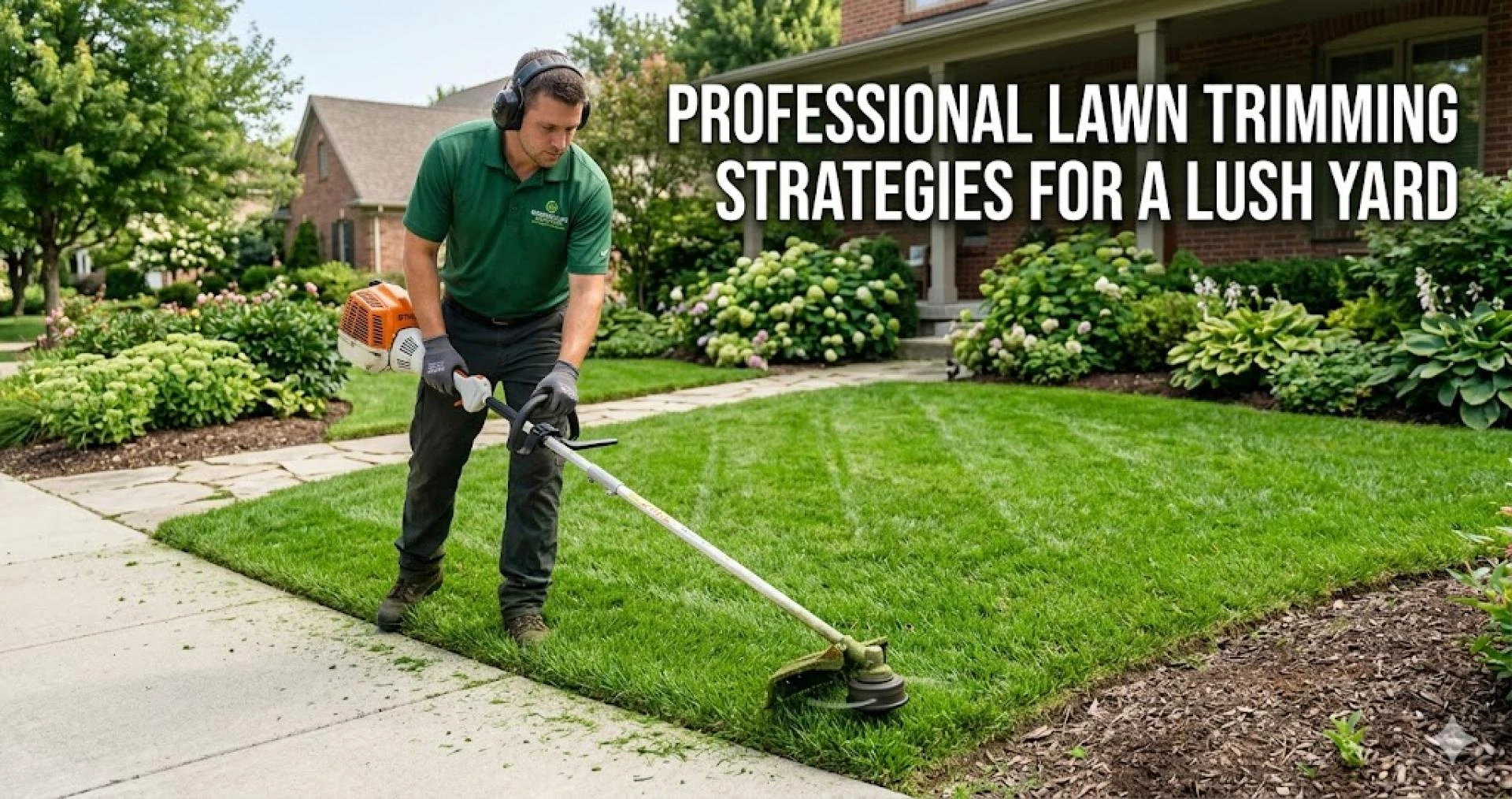
Maintaining a pristine landscape in British Columbia requires more than just a quick pass with a mower. In Surrey, where the temperate rainforest climate meets suburban sprawl, the transition from heavy spring rains to dry summer spells creates a unique challenge for grass health. For luxury property owners and enterprise facility managers, a "lush yard" isn't just about color; it is about structural integrity, weed resistance, and curb appeal that holds its value.
Achieving that golf-course finish requires a shift from basic maintenance to advanced lawn trimming strategies. When you move beyond the surface, you realize that the way you handle the edges of your turf determines the health of the entire ecosystem. Precision trimming prevents encroachment, manages moisture levels at the root zone, and ensures that your investment in landscaping remains an asset rather than a chore.
The Science of the Edge: Why Precision Trimming Matters
Trimming is often dismissed as a cosmetic "finishing touch," but in the context of forensic SEO and horticultural health, it is a vital mechanical process. In the Lower Mainland, grass types like Perennial Ryegrass and Fine Fescues dominate. These species are prone to spreading where they aren't wanted, often creeping into mulch beds or cracking through pavement.
Structural Integrity of the Turf
When grass grows unchecked against hardscapes (sidewalks, driveways, or patios), it creates a micro-environment that traps heat and moisture. This is a breeding ground for fungal pathogens. By implementing professional lawn trimming strategies, you create a "breathing room" for the turf. This gap allows for better airflow, reducing the risk of localized brown patches and root rot during Surrey’s humid stretches.
Weed Encroachment and Barrier Protection
An unkempt edge is an open invitation for invasive species. Weeds often gain a foothold at the boundary between the lawn and the garden bed. Utilizing a clean, vertical edge acts as a physical deterrent. If you are struggling with invasive growth, learning about effective weed control in British Columbia can help you understand how a tight trim complements your broader herbicide or manual weeding efforts.
Seasonal Timing for British Columbia Landscapes
In Surrey and the surrounding Greater Vancouver area, the calendar dictates your equipment settings. You cannot treat a July trim the same way you treat a late October cleanup.
Spring: The Growth Explosion
Once the frost heaving subsides in March, Surrey lawns experience a massive nitrogen-fueled growth spurt. During this window, trimming should be frequent—often every 7 to 10 days. This is the time to establish your deep vertical edges. Since the ground is soft from spring showers, it is the ideal moment to define the boundaries of your property.
Summer: Stress Management and Heat Shielding
As temperatures rise in July and August, the strategy shifts to protection. You should actually raise your trimming height slightly. Cutting the grass too short during a heatwave exposes the crown of the plant to direct sunlight, leading to "scalping." Scalped edges turn brown almost instantly and take weeks to recover.
Fall and Winter Prep
Before the snow mold becomes a concern, a final, shorter trim in late November is recommended. Removing the "flop" of long grass over the edges prevents it from matting down under heavy rain or light snow, which is where many pests find winter shelter.
Equipment Excellence: Choosing the Right Tools
The difference between a jagged, frayed blade of grass and a clean, surgical cut comes down to the tool in your hand. For enterprise properties, the stakes are higher; you need efficiency without sacrificing the health of the turf.
Residential vs. Commercial Gear
Homeowners often rely on battery-operated string trimmers. While convenient, they often lack the torque required for thick BC turf. For larger estates or business parks, professionals often look for the best commercial hedge trimmer and high-torque string units to handle heavy-duty perimeter work.
- String Trimmers: Best for vertical obstacles like fences and trees.
- Power Edgers: Essential for that "trench" look along sidewalks and driveways.
- Manual Half-Moon Edgers: Best for intricate, curved garden beds where precision is more important than speed.
Blade Maintenance and Physics
A dull blade doesn't cut; it tears. Tearing the grass leaf creates a large, ragged wound that the plant must spend energy to heal. This wound is also a port of entry for disease. For a truly lush yard, blades must be sharpened every 20-25 hours of use.
Advanced Techniques for Luxury and Enterprise Properties
Luxury property owners demand a level of detail that goes beyond "short grass." It involves architectural lines and the integration of different plant heights.
The 90-Degree Vertical Edge
The hallmark of a high-end property is the deep vertical edge. This isn't achieved with a string trimmer held horizontally. It requires a dedicated edger that cuts a small, V-shaped trench between the grass and the hardscape. This trench catches debris and prevents the grass from "jumping" the gap into your stone or mulch.
Managing Perimeter Shrubs
A lush yard isn't just about the grass; it’s about the frame. Overgrown hedges can shade out the perimeter of your lawn, causing the grass to thin and moss to take over. Integrating hedge trimming services into your maintenance schedule ensures that your turf receives maximum sunlight while maintaining a formal, structured aesthetic.
For those managing commercial assets or sprawling Surrey estates, the time saved and the increase in property valuation often far outweigh the cost of expert lawn trimming services. Professionals understand the soil composition and grass varieties specific to British Columbia, ensuring the treatment is curative, not just cosmetic.
Environmental Factors Specific to Surrey and British Columbia
Our local environment presents challenges that a generic SEO article won't mention. We deal with specific soil acidity and moisture levels that dictate how we trim.
Moss Control and Airflow
Surrey is famous for its moss. Moss thrives in compacted, shade-heavy, and poorly drained areas. By keeping your edges trimmed tightly and clearing away overhanging foliage, you increase the sunlight and airflow to the edges of the lawn. This makes the environment much less hospitable for moss and much better for your grass.
Drought Stress and Water Restrictions
During Surrey’s summer water restrictions, your trimming strategy must adapt. Long grass retains moisture better than short grass. If you are under a Stage 2 restriction, avoid edging altogether. The "open wound" of a fresh trim increases the plant's respiration rate, causing it to lose water faster. Wait until a cooling trend or a scheduled watering day to perform perimeter work.
FAQ: Professional Lawn Care Insights
How often should I trim my lawn in Surrey?
During the peak growing season (April through June), you should trim your lawn once a week. As the growth slows down during the drier summer months, you can move to a bi-weekly schedule to prevent stress on the turf.
Can trimming help get rid of lawn pests?
Yes. Many pests, such as crane fly larvae (European Chafer), prefer the sheltered, longer grass found at the edges of a property or under overgrown hedges. Keeping these areas tightly trimmed removes their habitat and makes the lawn less attractive for egg-laying.
What is the difference between trimming and edging?
Trimming is the process of cutting grass in areas the mower cannot reach, like against a fence. Edging is a more "surgical" cut that creates a physical gap between the grass and a hard surface like a sidewalk or garden bed. Both are essential for a professional finish.
Why does the edge of my lawn turn brown after trimming?
This is usually caused by "scalping." If the trimmer is held at too steep an angle or if the grass is cut too low, you are removing the green leaf blade and exposing the brown sheath or the soil. In the heat of a BC summer, this can lead to permanent damage.
Is it better to trim before or after mowing?
Most professionals recommend trimming before you mow. This allows the mower to mulch and pick up the clippings created during the trimming and edging process, leaving a much cleaner final result.
Elevating Your Property Standards
A lush, healthy yard is the result of consistent, scientifically-backed habits. In a competitive market like Surrey and British Columbia, the quality of your landscape reflects the quality of the property itself. Whether you are managing a luxury residence or a sprawling corporate campus, the details found in the perimeters are what define the overall excellence of the site.
Precision is a choice. While basic mowing keeps the grass short, advanced strategies ensure the turf remains resilient against the unique climate challenges of the West Coast. From managing moss growth to preventing heat stress, every cut matters.
If you are looking to elevate your property to a professional standard without the manual labor, Harrys Lawn Care provides the expertise and commercial-grade equipment necessary to maintain a flawless finish year-round. Our team understands the local soil, the specific grass varieties of the Lower Mainland, and the timing required to keep your landscape thriving. Let the experts handle the technical details so you can enjoy the results.