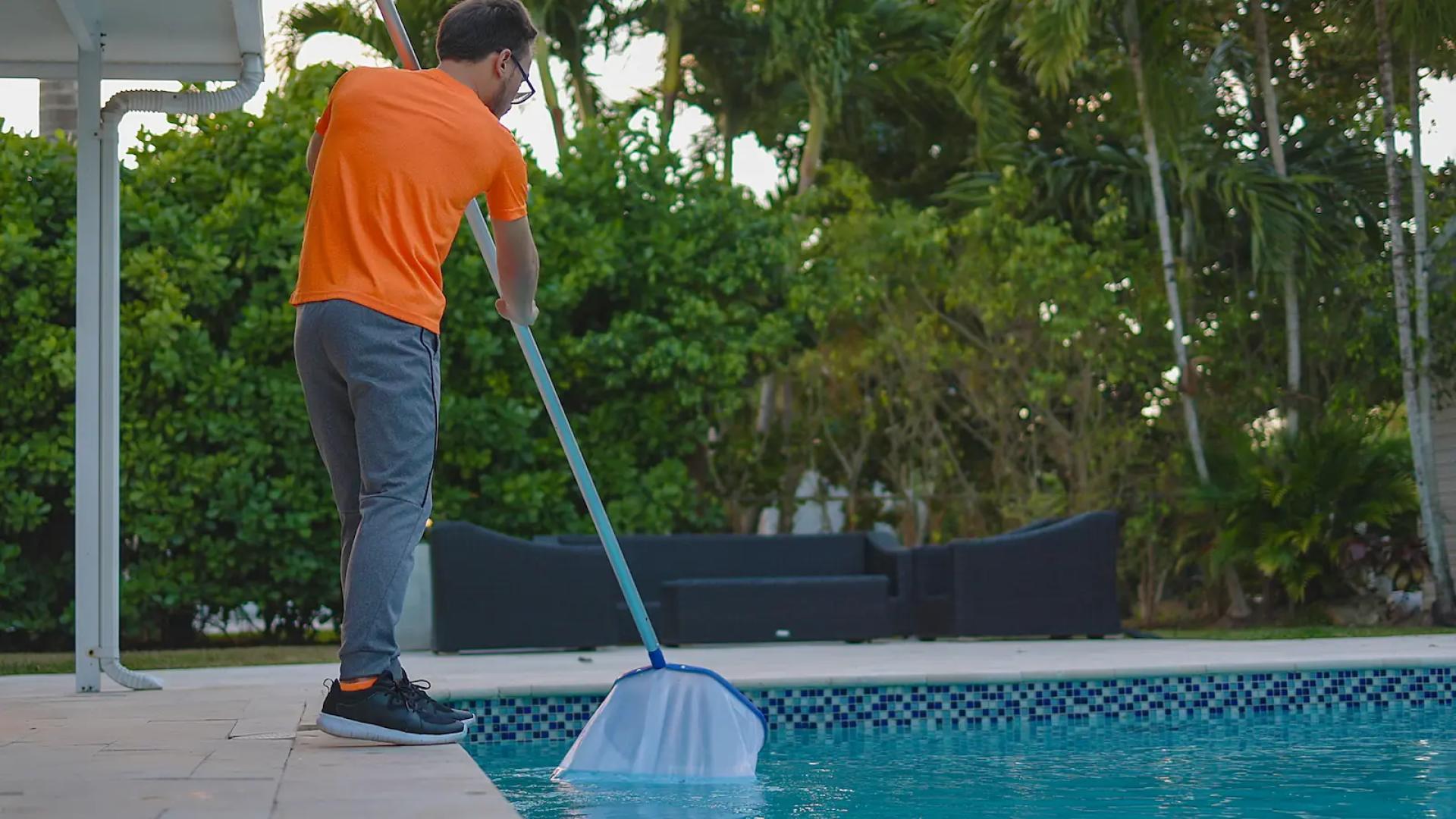
When it comes to pool ownership, one of the most important aspects is maintaining its clarity and cleanliness throughout the year. While many pool owners focus their attention primarily on the summer months, winter pool maintenance is just as crucial. If you live in Melbourne, where temperatures can drop considerably in the winter, you might assume that pool maintenance is less of a priority. However, neglecting your pool during these colder months can result in costly repairs and troublesome issues like algae growth and murky, green water.
This blog will provide expert tips on how to maintain year-round pool clarity, specifically focusing on Pool Algae Removal Melbourne, 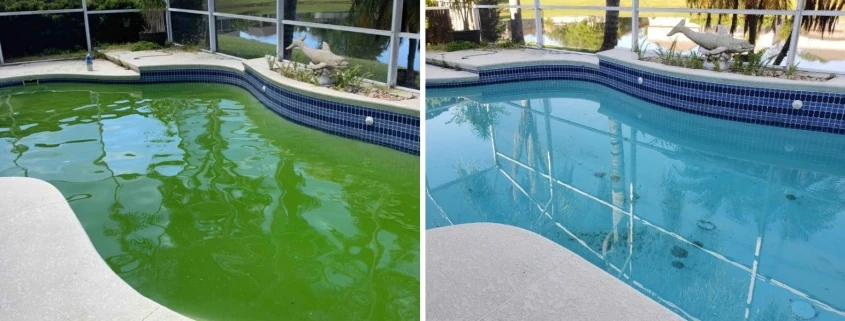 , and Green Pool Recovery Melbourne services. With the right approach, you can ensure your pool remains sparkling clean, safe, and ready for use, no matter the season.
1. Maintain Proper Chemical Balance
A balanced pool chemistry is essential to keeping your pool clean, clear, and free of algae, regardless of the season. In winter, the cooler temperatures can slow down chemical reactions in the water, but that doesn’t mean you should ignore them. Imbalanced pool water can lead to algae growth, which can quickly turn your pool water green. Keeping the right chemical balance ensures that your pool stays clear and free of contaminants, even when it’s not in use as much.
How to Keep Your Pool Water Balanced in Winter:
- Check pH Levels: Regularly test your pool’s pH levels using a pool testing kit. The ideal pH range is between 7.4 and 7.6. If the pH is too high, the water can become cloudy, and if it's too low, it can cause corrosion to pool equipment.
- Maintain Chlorine Levels: Chlorine is vital for sanitizing your pool and keeping algae at bay. During the winter months, you may not need as much chlorine as in the summer, but you should still maintain a chlorine level of 1-3 ppm to prevent algae growth. Low chlorine levels in winter can result in green pool water when the weather warms up again.
- Check Alkalinity: Alkalinity helps stabilize pH levels. Aim to keep alkalinity between 80 and 120 ppm to prevent pH fluctuations, which can lead to pool water imbalances and potential algae problems.
- Test Regularly: Even if your pool isn’t in use, make sure to test your water at least once a month during the winter months. If you are unsure of how to balance your chemicals, Pool Algae Removal Melbourne services can offer expert guidance.
By maintaining your pool’s chemical balance, you’ll reduce the risk of algae growth and ensure the water remains clear and healthy. If you experience any issues with chemical levels, contact a professional Green Pool Cleaning Melbourne service for expert assistance.
2. Use a Pool Cover to Protect Against Debris
Melbourne’s winter months can bring rain, wind, and debris into your pool, leading to water contamination. Even if your pool is not in use, leaves, twigs, and other organic matter can create the ideal environment for algae to thrive. One of the easiest ways to prevent this from happening is by using a pool cover.
Benefits of Using a Pool Cover:
- Prevents Debris: Pool covers protect the water from leaves, dirt, and other debris, which can introduce organic material into the pool and contribute to algae growth.
- Reduces Chemical Demand: A cover helps minimize the need for constant chemical adjustments. Fewer contaminants in the water mean you won’t have to add as many chemicals to keep the pool clear.
- Warms the Pool: While not as effective as heating systems, pool covers can help maintain the water’s temperature, which is essential during the cooler months. A warmer pool also makes it harder for algae to grow.
When you uncover your pool for use in the warmer months, you’ll find that a pool cover helps keep your water in much better shape, reducing the likelihood of needing a Green Pool Recovery Melbourne service.
3. Clean and Maintain the Pool Filter
Your pool filter is one of the most critical components of maintaining clean and clear water. Over time, debris, dirt, and other particles accumulate in the filter, reducing its efficiency. In winter, when pool activity is minimal, it’s easy to forget about the pool filter, but neglecting it can lead to poor water circulation and eventual algae growth.
How to Clean Your Pool Filter:
- Backwash the Filter: For sand and DE (diatomaceous earth) filters, backwashing helps to clear out debris and improve water flow. Aim to backwash the filter at least once a month during the winter.
- Clean Cartridge Filters: If your pool has a cartridge filter, remove the cartridge and rinse it thoroughly with a hose. If necessary, soak the filter in a pool filter cleaner solution to break down grease and oils that can accumulate.
- Inspect for Damage: During the winter, it’s also a good idea to inspect your filter for any cracks or signs of wear and tear. If the filter is not working properly, it can result in stagnant water, which is the perfect breeding ground for algae.
If your pool’s filter isn’t working as it should, it may lead to cloudy or green pool water. Professional Green Pool Cleaning Melbourne services can help ensure that your filter is working optimally and your pool stays clear.
4. Run the Pool Pump Regularly
Although it may seem unnecessary to run your pool pump during the winter, circulation is critical to preventing stagnant water, which can lead to algae buildup. A properly circulating pool will have better filtration, and the water will stay cleaner.
How to Maintain Proper Circulation:
- Run the Pump for 4-6 Hours: Even in winter, aim to run your pool pump for at least 4-6 hours a day. This will help keep the water circulating and ensure that it stays clean and clear.
- Monitor Water Flow: Make sure that water is flowing correctly through the skimmers and return jets. Blockages in the system can impede circulation and lead to algae growth.
- Consider Using a Timer: A timer can help ensure that your pump runs for the appropriate amount of time each day without you needing to remember to switch it on and off.
Proper circulation is key to preventing algae growth, especially in winter when pool water can become stagnant. If you encounter issues with circulation or find algae in your pool, Green Pool Recovery Melbourne services can help you get your pool back to clear and clean condition.
5. Regularly Brush and Vacuum Your Pool
While it’s easy to ignore pool cleaning in winter, regular brushing and vacuuming are essential tasks that will prevent algae from growing. Pool algae can begin to take root if organic debris such as dirt or leaves is allowed to accumulate on the pool’s surfaces. If you don’t clean the pool regularly, it could result in a green pool when the warmer months roll around.
How to Clean Your Pool:
- Brush the Pool Walls and Floor: Brushing your pool helps remove any dirt, debris, or algae spores that might be sticking to the walls, floor, or waterline. Pay particular attention to the areas near the waterline, as this is where algae is most likely to form.
- Vacuum the Pool: Use a manual or automatic pool vacuum to remove any debris from the pool floor. This will prevent organic material from breaking down in the water and contributing to algae growth.
If you don’t have the time or equipment to brush and vacuum your pool, consider hiring a professional Green Pool Cleaning Melbourne service to keep the pool in excellent shape.
6. Use Algaecide to Prevent Algae Growth
Even though your pool’s chlorine levels may be sufficient to kill most algae, it’s still a good idea to use algaecide as an additional preventative measure, especially in winter when algae are more likely to thrive in cooler water temperatures.
How to Use Algaecide:
- Choose the Right Algaecide: There are different types of algaecides on the market, including copper-based and non-metallic options. Copper-based algaecides are effective at controlling algae, but they may stain the pool if used excessively. Non-metallic algaecides are gentler on pool surfaces but still effective in controlling algae growth.
- Apply as Directed: Follow the manufacturer's instructions on how much algaecide to add based on your pool’s size and the severity of algae concerns.
Algaecide helps to prevent algae growth before it even starts. However, if algae have already developed in your pool, Green Pool Recovery Melbourne services can assist in removing it and restoring your pool to its original clarity.
7. Monitor and Maintain the Pool Water Level
The water level in your pool plays a significant role in maintaining effective filtration. If the water level is too low, the skimmers won’t work properly, and the filtration system will be less effective. Conversely, if the water level is too high, debris can float on top, which can lead to algae growth if not cleaned regularly.
How to Maintain Water Levels:
- Keep the Water Level in the Middle of the Skimmer: This ensures that the skimmer is functioning effectively and will remove debris from the surface.
- Regularly Check the Water Level: Make sure the water level remains consistent, and top it up as needed, especially during winter when evaporation may occur.
Maintaining the right water level ensures your filtration system works optimally and reduces the risk of algae growth.
Conclusion
While winter might seem like a quiet time for pool maintenance, it’s actually the perfect opportunity to take proactive measures to prevent green pool water in the future. Regular chemical testing, filter cleaning, proper circulation, and using a pool cover are essential to keeping your pool in top shape year-round. If you do encounter algae or green pool water, Pool Algae Removal Melbourne, Green Pool Cleaning Melbourne, and Green Pool Recovery Melbourne services are available to help restore clarity and cleanliness to your pool.
By staying on top of winter maintenance, you can ensure your pool stays clear and ready for use when the summer heat returns. With a little care and the right maintenance routine, your pool will remain a clean and inviting space throughout every season.