Quality problems rarely appear suddenly. In most cases, they develop gradually—through minor process deviations, inconsistent workmanship, or unchecked supplier decisions. By the time defective products reach customers, the cost of correction is no longer limited to rework; it includes reputation damage, operational disruption, and lost trust.
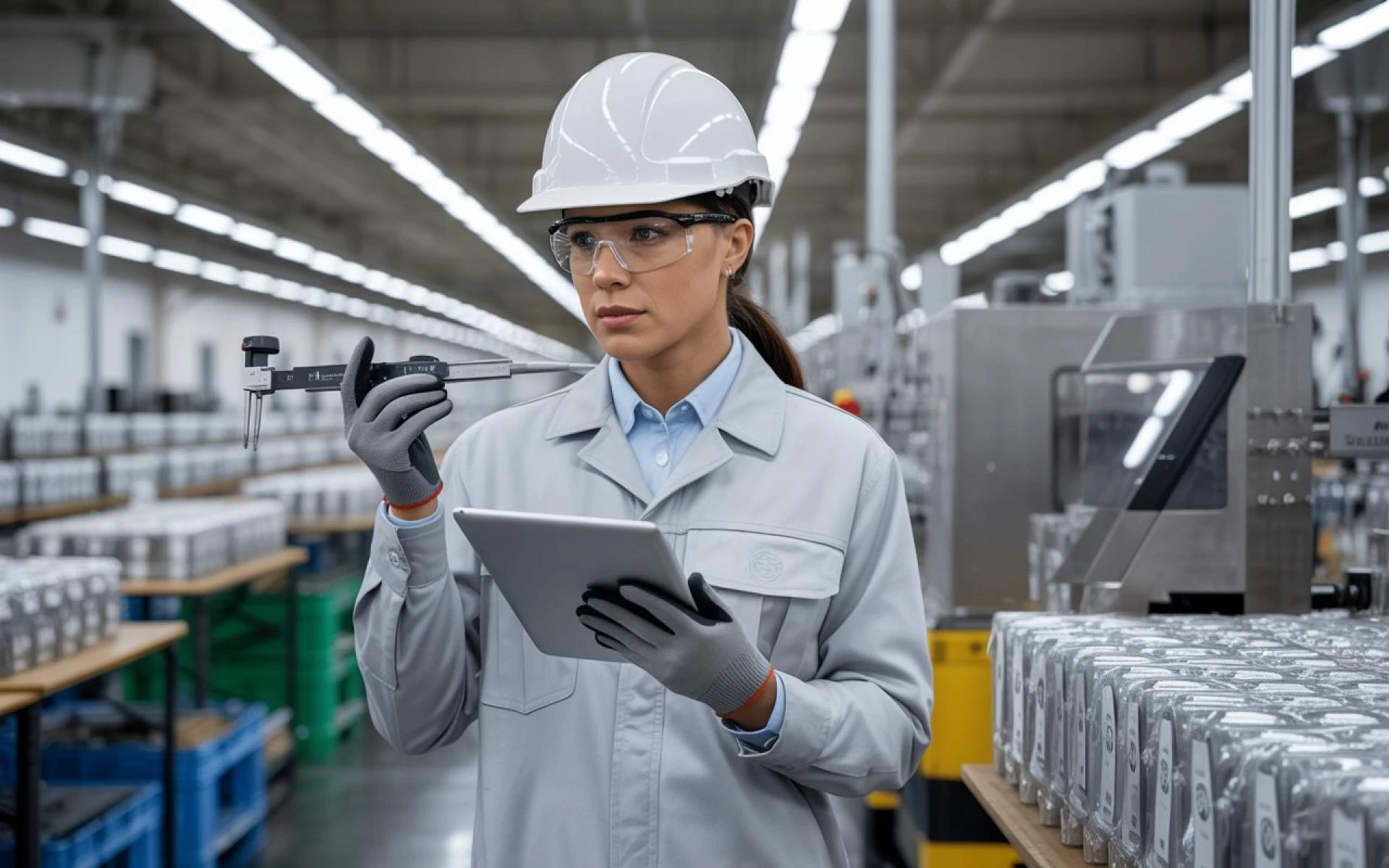
Manufacturing inspection services exist to stop these problems before they leave the factory.
By providing structured, independent verification throughout production and shipment stages, inspections help manufacturers maintain control over quality outcomes—especially when production is outsourced or geographically dispersed.
This article explores how manufacturing inspection services function, why they are essential for modern supply chains, and how they help prevent quality failures long before products reach the end user.
What Are Manufacturing Inspection Services?
Manufacturing inspection services are systematic quality evaluations conducted during key stages of production and logistics. Their objective is to verify that materials, processes, and finished goods comply with defined specifications, standards, and customer requirements.
Unlike internal checks that may vary by supplier or production shift, inspections provide standardized, objective assessments that reveal real production conditions.
Manufacturing inspections typically evaluate:
- Product dimensions and tolerances
- Workmanship and appearance
- Functional performance
- Material conformity
- Packaging and labeling accuracy
- Quantity verification
These evaluations ensure that production outputs match what was approved—not just what was planned.
Why Manufacturing Inspections Are Critical Today
Global manufacturing has become more complex and time-sensitive. While supply chains have gained speed and flexibility, they have also become more vulnerable to variation and risk.
Manufacturing inspections help address these challenges by:
- Detecting quality issues early
- Reducing reliance on supplier self-reporting
- Providing real-time production visibility
- Preventing shipment of non-conforming goods
Without inspections, manufacturers often discover problems only after delivery—when options for correction are limited and costly.
Key Stages of Manufacturing Inspection Services
Incoming Material Inspection
Quality issues often originate with raw materials or components. Incoming inspections verify that materials meet specifications before production begins.
This inspection stage typically checks:
- Material grade and type
- Dimensional accuracy
- Visual defects or damage
- Documentation and traceability
Catching non-conforming materials early prevents process disruption and protects finished product quality.
In-Process Manufacturing Inspection
In-process inspections monitor production while it is underway. This allows issues to be corrected before they affect large volumes of product.
In-process inspections focus on:
- Process adherence
- Assembly consistency
- Equipment setup verification
- Intermediate product checks
This stage is particularly valuable in manual or high-variation processes, where small deviations can escalate quickly.
Final and Pre-Shipment Inspection
Pre-shipment inspections are conducted once production is complete and products are ready for dispatch.
They verify:
- Finished product conformity
- Functional performance
- Packaging and labeling compliance
- Order quantity accuracy
This inspection acts as the final quality gate before products leave the factory.
Loading and Dispatch Inspection
Even conforming products can be damaged through improper handling. Loading inspections verify that products are packed, secured, and loaded correctly for transportation.
This stage helps prevent transit damage, contamination, and logistical disputes.
Common Manufacturing Risks Inspections Help Prevent
Manufacturing inspection services are designed to detect and reduce risks such as:
- Specification misinterpretation
- Unauthorized design or material changes
- Process drift over time
- Inconsistent workmanship
- Insufficient testing
- Poor packaging practices
Without inspections, these risks often remain invisible until they result in customer complaints or returns.
Inspection vs. Quality Control: Clarifying the Role
While often used interchangeably, inspection and quality control are not the same.
- Quality control refers to the overall system used to manage product quality.
- Inspection is the act of verifying product conformity at a specific point in time.
Inspections support quality control systems by validating that they are working as intended. They provide evidence—not assumptions—about actual production quality.
Using Inspection Results to Improve Supplier Performance
Inspection data becomes more valuable when analyzed over time.
Manufacturers can use inspection findings to:
- Identify recurring defects
- Compare supplier performance trends
- Verify corrective actions
- Focus improvement efforts
This transforms inspections from one-time checks into tools for continuous supplier development.
Manufacturing Inspections in Nearshore Production
Nearshore manufacturing offers advantages such as shorter lead times and improved communication. However, it does not eliminate quality risk.
Localized inspection services provide:
- Faster issue detection
- On-site production visibility
- Reduced travel costs
- Improved coordination with suppliers
These benefits allow manufacturers to maintain control while scaling production efficiently.
This is where AMREP Mexico’s Inspection Services support manufacturers by delivering structured, on-the-ground inspection expertise aligned with international quality expectations—without disrupting production schedules.
Partner with Experts for Manufacturing Inspection Services
Effective manufacturing inspections require more than a checklist. They require technical understanding, industry experience, and the ability to identify risk beyond obvious defects.
Partnering with inspection experts provides:
- Skilled inspectors with manufacturing knowledge
- Standardized inspection methodologies
- Objective, independent assessments
- Clear, actionable reporting
Experienced inspectors recognize early warning signs that inexperienced observers may miss—helping manufacturers address problems before they escalate.
How Inspections Protect Customer Satisfaction
Quality failures affect more than operations; they directly impact customer trust.
Manufacturing inspection services help protect customer satisfaction by:
- Ensuring consistent product quality
- Reducing delivery issues
- Preventing defective shipments
- Supporting reliable order fulfillment
Consistent quality builds confidence and long-term customer relationships.
Cost Impact: Inspections as a Preventive Investment
Although inspections add a visible cost, they significantly reduce hidden quality expenses such as:
- Rework and scrap
- Production delays
- Shipment returns
- Warranty claims
- Emergency corrective actions
Preventing a single major quality failure often offsets the cost of an entire inspection program.
Building a Risk-Based Inspection Strategy
Not every product or supplier requires the same inspection intensity.
An effective strategy considers:
- Product complexity
- Supplier maturity
- Production volume
- Regulatory requirements
- Quality history
High-risk products may require multiple inspection stages, while stable suppliers may only need targeted verification.
The Future of Manufacturing Inspection Services
Manufacturing inspections are evolving alongside digital tools and data analytics.
Modern inspection programs increasingly emphasize:
- Digital reporting
- Real-time quality visibility
- Risk-based inspection planning
- Integration with supplier performance metrics
The future is not about more inspections—but smarter, data-driven inspections.
Conclusion
Manufacturing inspection services play a vital role in preventing quality failures before products reach customers. They provide visibility, verification, and control—ensuring that manufacturing outcomes align with expectations.
When integrated into a broader quality strategy, inspections reduce risk, improve supplier accountability, and protect both operational performance and brand reputation.
In a manufacturing environment where small deviations can have large consequences, inspections remain one of the most effective tools for maintaining control.
Frequently Asked Questions (FAQs)
What are manufacturing inspection services?
They are structured evaluations that verify product quality and compliance at specific stages of manufacturing and shipment.
When should manufacturing inspections be performed?
Inspections can be conducted during incoming material receipt, in-process production, pre-shipment, or loading—depending on risk level.
Do inspections replace quality systems?
No. Inspections validate quality systems by verifying actual product conformity.
Are inspections necessary for experienced suppliers?
Yes. Even mature suppliers can experience process changes or drift that inspections help detect early.
Can inspections improve long-term quality?
Yes. When inspection data is tracked, it supports continuous improvement and supplier development.
Do inspections slow down production?
Properly planned inspections are integrated into workflows and often prevent delays by identifying issues early.