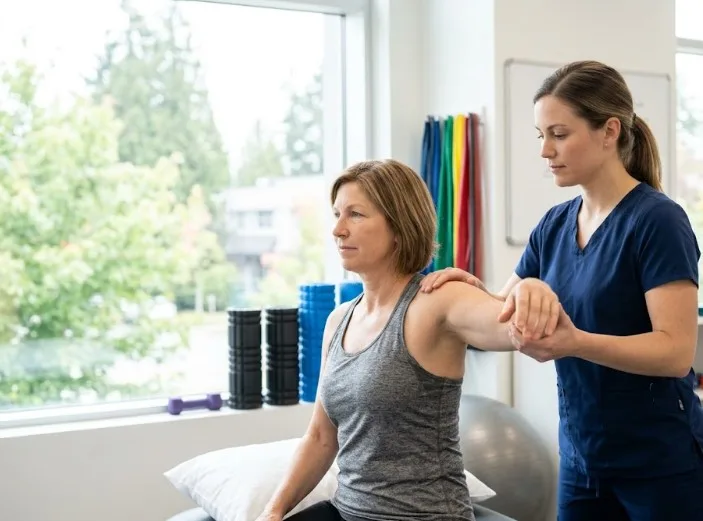
Workplace wellness has evolved significantly in recent years as companies focus more on employee health, productivity, and engagement. Businesses are now investing in preventative health platforms to encourage healthier lifestyles, reduce workplace stress, and improve overall employee wellbeing. These modern solutions help organizations create healthier work environments while supporting long-term business growth.
Preventative wellness programs focus on helping employees build healthy habits before serious health concerns arise. From fitness tracking to mental wellness support, these platforms provide businesses with effective tools to improve workplace culture and employee satisfaction.
The Importance of Preventative Health in the Workplace
Employee health directly affects workplace performance and morale. Organizations that encourage proactive wellness strategies often experience fewer sick days, higher productivity, and improved employee retention.
Companies that invest in preventative health solutions can benefit from:
- Reduced healthcare-related costs
- Better employee engagement
- Improved workplace productivity
- Stronger team collaboration
- Lower absenteeism rates
- Enhanced employee morale
A healthier workforce creates a more positive and efficient work environment for both employees and employers.
Features of Modern Preventative Health Platforms
Today’s wellness technology offers a variety of tools that help employees stay active and motivated throughout the workday.
Fitness and Activity Tracking
Employees can monitor their physical activity, daily steps, and movement goals through easy-to-use wellness apps and dashboards.
Mental Wellness Support
Stress management resources, mindfulness activities, and wellbeing tracking tools help employees maintain better mental health.
Gamification and Rewards
Interactive challenges, achievement badges, and reward systems increase participation and make wellness programs more engaging.
Social and Team Engagement
Team-based activities encourage collaboration and create stronger workplace relationships among employees.
Corporate Wellness and Employee Engagement
Modern organizations understand that wellness initiatives should be enjoyable and interactive. Businesses are increasingly adopting a corporate step challenge app to motivate employees through friendly competition and team activities.
Step challenges encourage employees to stay active by tracking daily movement goals and creating engaging competitions between teams or departments. These activities improve workplace morale while helping employees develop healthier routines.
Organizations that introduce step challenge programs often notice:
- Increased employee participation
- Better teamwork and communication
- Improved physical activity levels
- Higher workplace motivation
- Stronger company culture
Gamified wellness experiences keep employees engaged and encourage long-term participation in health-focused initiatives.
Technology and the Future of Workplace Wellness
Digital wellness platforms have made employee wellbeing more accessible than ever before. Mobile-friendly tools allow employees to participate in wellness activities from anywhere, making them ideal for remote and hybrid work environments.
Advanced reporting systems also help HR teams measure participation, engagement, and overall program effectiveness. Businesses can use these insights to improve wellness strategies and create more personalized experiences for employees.
Building a Healthier Workplace Culture
Creating a culture of wellness requires more than offering occasional fitness activities. Companies should encourage consistent participation, leadership involvement, and inclusive wellness programs that support employees at every level.
Successful wellness cultures often include:
- Regular wellness challenges
- Mental health awareness initiatives
- Team-based activities
- Recognition and rewards programs
- Flexible wellness participation options
When employees feel supported in their health goals, they are more likely to remain engaged and motivated at work.
Choosing the Right Wellness Solution
Businesses should select wellness platforms that are easy to use, engaging, and adaptable to company needs. The ideal platform should support employee wellbeing while promoting participation and long-term engagement.
Important considerations include:
- User-friendly design
- Activity tracking features
- Gamification tools
- Employee engagement systems
- Mobile accessibility
- Reporting and analytics
A strong wellness platform can help organizations improve both employee health and overall workplace performance.
Conclusion
Employee wellbeing is becoming a major priority for modern businesses. Companies that invest in preventative wellness strategies create healthier, happier, and more productive workforces. By using innovative digital solutions and interactive wellness activities, organizations can improve employee engagement while building a stronger workplace culture.
As workplace expectations continue to evolve, preventative health solutions and wellness technologies will remain essential for long-term organizational success.
FAQs
What are preventative health platforms?
Preventative health platforms are digital wellness solutions designed to help employees maintain healthier lifestyles through fitness tracking, wellness challenges, mental health support, and engagement activities.
How do corporate step challenge apps work?
Corporate step challenge apps track employee movement and encourage participation through competitions, team activities, and daily step goals.
Why are wellness platforms important for businesses?
Wellness platforms improve employee engagement, productivity, workplace morale, and overall employee health while reducing absenteeism.
Can remote employees participate in wellness programs?
Yes, most modern wellness platforms are mobile-friendly and designed for remote, hybrid, and office-based teams.
What features should businesses look for in a wellness platform?
Businesses should look for activity tracking, gamification, reporting tools, rewards systems, mental wellness support, and easy accessibility.