Modern manufacturing and metalworking industries require machines that can deliver accuracy, consistency, and reliable performance. Press Brake Machine Manufacturers play a key role by providing equipment for precise bending and forming of metal sheets. Along with press brake machines, industries also depend on power presses and surface grinders for different production and finishing operations. Selecting the right machine can improve productivity, reduce material waste, and support better quality in industrial applications.
Importance of Press Brake Machines in Metalworking
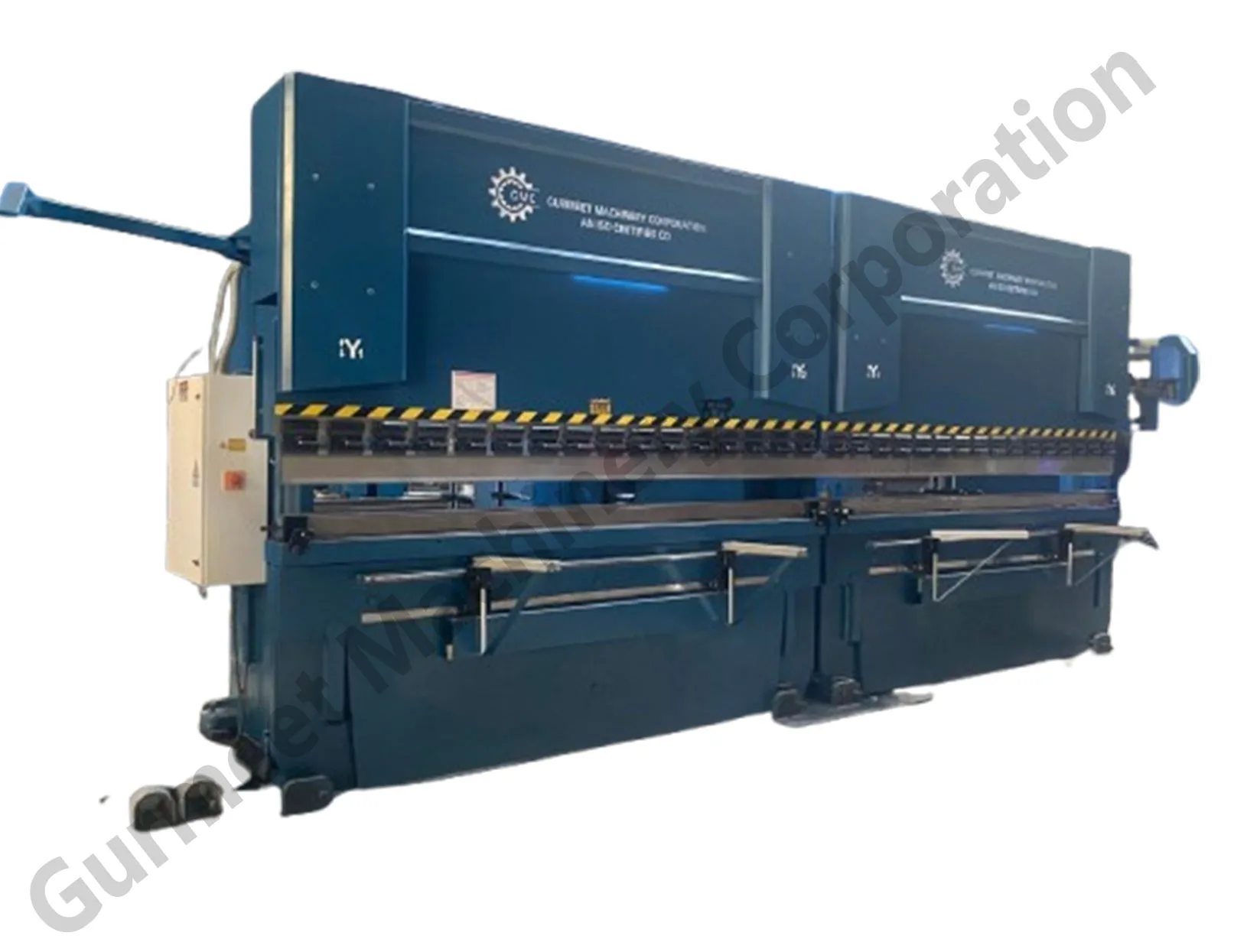
A press brake machine bends sheet metal and plates into specific shapes and angles. These machines are widely used in fabrication units, engineering workshops, automotive industries, and manufacturing facilities. The machine applies controlled force to the workpiece, allowing operators to achieve accurate bends according to production requirements.
When selecting equipment, buyers should consider machine capacity, bending length, working pressure, accuracy, and ease of operation. Reliable Press Brake Machine Manufacturers focus on producing machines that can handle different material thicknesses while maintaining consistent results.
Modern press brake machines can also support repetitive production work. Their sturdy construction and practical design make them suitable for industries where precision and dependable performance are important.
Role of Power Press Machines
Power presses are another important category of industrial machinery. They are commonly used for punching, pressing, blanking, forming, and other sheet metal operations. These machines can help manufacturers perform repetitive production tasks efficiently.
Power Press Machine Manufacturersdevelop machines in different capacities and configurations to meet the requirements of various industries. The correct machine depends on factors such as material type, sheet thickness, production volume, and the type of operation being performed.
A properly selected power press can help improve production speed and maintain uniformity across multiple components. For workshops handling large production quantities, machine durability and operational stability are particularly important.
Surface Grinding for Accurate Finishing
After cutting, forming, or machining, components may require surface finishing to achieve a smoother and more accurate surface. Surface grinding machines are commonly used for this purpose. They can remove small amounts of material from a workpiece and help achieve the required flatness and surface quality.
Surface Grinder Machine Manufacturers provide equipment suitable for different industrial grinding requirements. These machines are useful in engineering workshops, tool rooms, manufacturing units, and maintenance facilities.
When choosing a surface grinder, buyers should evaluate grinding wheel size, table dimensions, spindle performance, machine construction, and the type of material being processed. A suitable grinding machine can support better finishing quality and dimensional accuracy.
Factors to Consider Before Buying Industrial Machinery
Choosing industrial machinery should be based on the actual requirements of the workshop or manufacturing facility. One of the first factors to consider is machine capacity. The machine should be capable of handling the required workpiece size and material thickness.
Construction quality is another important consideration. A machine with a strong frame and durable components can provide stable performance during demanding operations. Buyers should also consider operating controls, maintenance requirements, availability of spare parts, and technical support.
Production requirements should also influence the purchasing decision. A machine designed for high-volume production may have different specifications from equipment intended for smaller workshops. Comparing technical specifications can help buyers select equipment that matches their applications.
Benefits of Using Suitable Industrial Machines
The right machinery can provide several advantages to manufacturing and engineering businesses. Accurate machines can help reduce production errors and improve the consistency of finished components. Reliable equipment can also reduce unnecessary downtime and support smoother production schedules.
Another important benefit is improved productivity. Machines designed for specific operations allow workers to complete tasks more efficiently. For example, a press brake can simplify repeated bending operations, while a power press can perform various forming and punching processes. Surface grinding equipment can then help achieve the required finishing and dimensional accuracy.
Using appropriate machinery can also contribute to better material utilization. Accurate processing reduces the possibility of incorrect cuts, bends, or machining operations, which can help minimize material waste.
Applications Across Different Industries
Industrial machines are used across a wide range of sectors. Fabrication workshops use bending and pressing equipment for producing metal components and structures. Engineering industries rely on machinery for machining, forming, and finishing different workpieces.
Automotive component manufacturing, general engineering, agricultural equipment production, electrical equipment manufacturing, and maintenance workshops can also benefit from suitable industrial machines.
Because every industry has different production requirements, machinery should be selected according to the intended application. Understanding the work process before purchasing equipment can help businesses avoid unnecessary investment and improve long-term machine utilization.
Why Machine Quality Matters
Machine quality has a direct impact on production performance. Industrial equipment is often used for extended working hours, so stable construction and reliable components are important. A well-built machine can support consistent operation and reduce the chances of frequent breakdowns.
Manufacturers with experience in industrial machinery generally focus on practical machine design, strong construction, and ease of maintenance. Buyers should compare specifications, applications, machine features, and after-sales support rather than choosing equipment only on the basis of price.
Conclusion
Industrial manufacturing depends on accurate and reliable equipment for different production stages. Press Brake Machine Manufacturers provide machines that support precise sheet metal bending, while Power Press Machine Manufacturers offer solutions for pressing, punching, and forming operations. Surface Grinder Machine Manufacturers provide equipment for accurate finishing and surface improvement.
Before purchasing any industrial machine, businesses should carefully evaluate capacity, construction, application requirements, productivity, maintenance, and long-term reliability. Choosing suitable machinery can help workshops and manufacturing units improve efficiency, maintain consistent quality, and achieve better production results.