
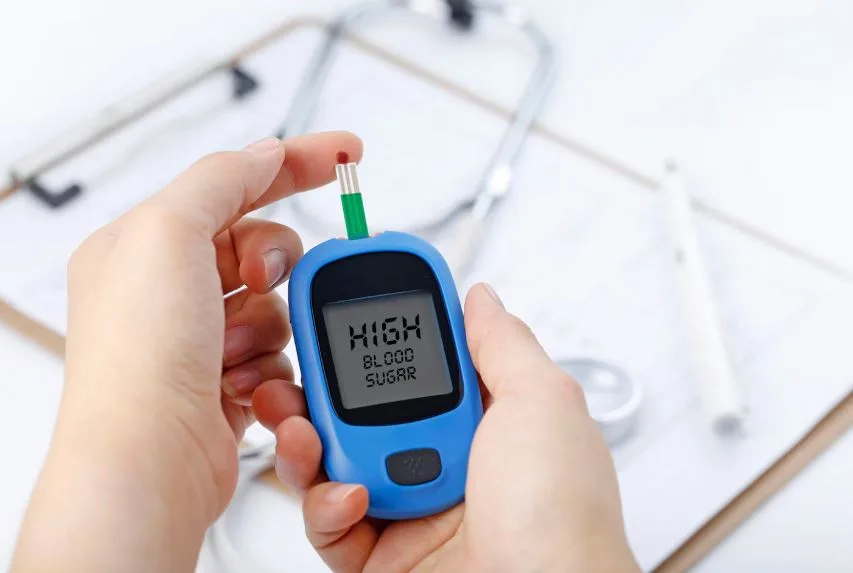
Prediabetes is a growing health concern worldwide, affecting millions of adults who may not even realize they have it. It occurs when blood sugar levels are higher than normal but not yet high enough to be diagnosed as type 2 diabetes. Without proper intervention, prediabetes can progress into diabetes, increasing the risk of heart disease, kidney problems, and other serious health complications.
Fortunately, prediabetes can often be reversed through early detection and lifestyle changes. At HealthBay Clinic, a trusted Internal Medicine Clinic Dubai, our specialists help patients identify risk factors, manage their health proactively, and prevent the progression of chronic diseases.
What Is Prediabetes?
Prediabetes is a condition in which the body begins to have difficulty regulating blood sugar levels effectively. While it may not cause immediate symptoms, it serves as an important warning sign that diabetes could develop in the future.
People with prediabetes often experience insulin resistance, a condition where the body's cells do not respond properly to insulin. As a result, glucose remains in the bloodstream instead of being used for energy.
Common Warning Signs of Prediabetes
One of the challenges with prediabetes is that many individuals have no noticeable symptoms. However, some warning signs may include:
Increased Thirst
Feeling unusually thirsty, even after drinking enough water, can be an early indication of elevated blood sugar levels.
Frequent Urination
High blood sugar can cause the kidneys to work harder, leading to more frequent urination.
Fatigue
When the body's cells cannot effectively use glucose for energy, individuals may experience persistent tiredness and low energy levels.
Blurred Vision
Fluctuating blood sugar levels can temporarily affect the eyes, leading to blurred vision.
Darkened Skin Patches
Some individuals develop dark, velvety patches of skin, particularly around the neck, armpits, or groin. This condition, known as acanthosis nigricans, may be linked to insulin resistance.
Increased Hunger
Even after eating, some people may feel hungry more often because their bodies struggle to use glucose efficiently.
Risk Factors for Prediabetes
Several factors can increase the likelihood of developing prediabetes.
Excess Body Weight
Being overweight, especially around the abdomen, significantly increases insulin resistance.
Lack of Physical Activity
A sedentary lifestyle can contribute to poor blood sugar control and weight gain.
Family History
Individuals with a family history of type 2 diabetes may have a higher risk of developing prediabetes.
Age
The risk of prediabetes increases with age, particularly after 45 years.
High Blood Pressure and Cholesterol
Cardiovascular risk factors often occur alongside insulin resistance.
Previous Gestational Diabetes
Women who developed diabetes during pregnancy are at a higher risk of developing prediabetes and type 2 diabetes later in life.
How Prediabetes Is Diagnosed
Regular health screenings are essential for identifying prediabetes before complications develop.
An internal medicine specialist may recommend:
- Fasting Blood Sugar Test
- HbA1c Test
- Oral Glucose Tolerance Test
- Comprehensive Metabolic Evaluation
These tests help determine blood sugar levels and assess an individual's overall health status.
Prevention Strategies for Prediabetes
The good news is that prediabetes can often be managed and even reversed through healthy lifestyle choices.
Maintain a Healthy Weight
Losing even a small percentage of body weight can significantly improve insulin sensitivity and blood sugar control.
Follow a Balanced Diet
Focus on:
- Fresh fruits and vegetables
- Whole grains
- Lean proteins
- Healthy fats
- High-fiber foods
Reducing processed foods, sugary beverages, and excessive refined carbohydrates can also help stabilize blood sugar levels.
Stay Physically Active
Regular exercise improves insulin sensitivity and supports weight management.
Aim for at least:
- 150 minutes of moderate physical activity per week
- Strength training exercises several times per week
Manage Stress
Chronic stress can contribute to hormonal changes that affect blood sugar levels. Activities such as yoga, meditation, and adequate sleep can support overall health.
Get Regular Health Check-Ups
Routine screenings allow healthcare providers to detect changes in blood sugar levels early and recommend appropriate interventions.
Why Early Intervention Matters
Ignoring prediabetes can increase the risk of:
- Type 2 Diabetes
- Heart Disease
- Stroke
- Kidney Disease
- Nerve Damage
Early diagnosis and preventive care can significantly reduce these risks and improve long-term health outcomes.
How HealthBay Clinic Can Help
At HealthBay Clinic, a leading Internal Medicine Clinic Dubai, our experienced internal medicine specialists provide comprehensive care for patients at risk of diabetes and other chronic health conditions.
Our services include:
- Preventive Health Screenings
- Diabetes Risk Assessment
- Personalized Lifestyle Guidance
- Chronic Disease Management
- Nutrition and Wellness Counseling
- Ongoing Monitoring and Follow-Up Care
Our patient-centered approach focuses on early detection, prevention, and long-term wellness.
Conclusion
Prediabetes is an important warning sign that should never be ignored. While it may not cause obvious symptoms, early detection and lifestyle modifications can prevent the progression to type 2 diabetes and other serious health complications.
If you have risk factors for diabetes or want to take a proactive approach to your health, consult the specialists at HealthBay Clinic. As a trusted Internal Medicine Clinic Dubai, we are committed to helping patients achieve better health through preventive care, expert guidance, and personalized treatment plans.