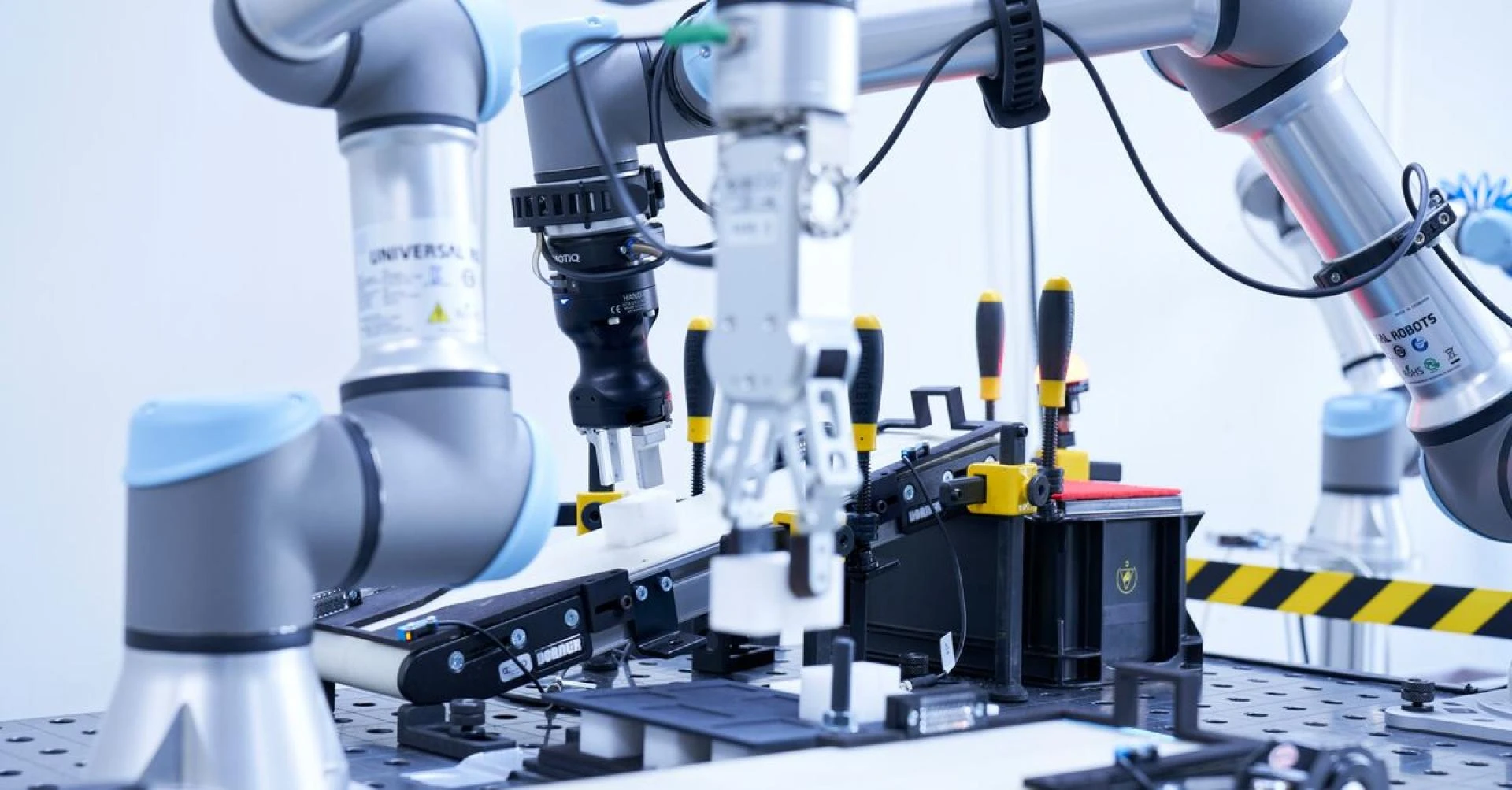
The robotics industry is evolving rapidly, driven by automation, artificial intelligence, and advanced manufacturing technologies. Every robotic system relies on highly accurate components to function efficiently, maintain reliability, and ensure long-term performance. CNC machining for robotics provides precision parts that meet complex geometries, tight tolerances, and diverse material requirements. From industrial automation and medical devices to aerospace and defense, the demand for durable and high-quality robotic components continues to grow. Choosing the right CNC machining partner ensures exceptional performance, scalability, and innovation in robotics design and production, meeting the needs of modern industries worldwide.
The Role of CNC Machining in Robotics
Precision is the cornerstone of robotics, and CNC machining delivers the accuracy needed to produce reliable, high-performance components.
Why Precision Matters in Robotic Systems
Even minor inaccuracies in robotic components can affect performance, reduce operational efficiency, and increase wear. CNC machining ensures consistent precision, enhancing system reliability and longevity. Accurate parts allow robotic arms, joints, and sensors to operate smoothly while maintaining repeatability across multiple units.
Benefits of CNC Machining for Robotics
- High dimensional accuracy and repeatability
- Capability to produce complex geometries
- Reduced material waste and improved efficiency
- Faster turnaround from prototypes to full-scale production
- Enhanced durability for long-lasting robotic systems
These advantages make CNC machining essential for manufacturers seeking advanced robotics solutions.
Materials Used in CNC Machining for Robotics
Material selection plays a critical role in achieving optimal performance in robotic systems. CNC machining accommodates a broad range of metals and engineering plastics suited to different operational requirements.
Metals for Structural Strength
Aluminum, stainless steel, titanium, brass, and copper provide mechanical strength, heat resistance, and durability. These metals are widely used for robotic frames, gears, joints, and high-stress components.
Engineering Plastics for Lightweight Solutions
Materials like PEEK, ABS, nylon, and polycarbonate offer lightweight alternatives without compromising strength. They are ideal for enclosures, sensor mounts, and components requiring electrical insulation or low-weight applications.
Applications of CNC Machining in Robotics
CNC machining is integral to multiple sectors that rely on robotic technology for automation, precision, and innovation.
Industrial Automation
Robotics in assembly lines, material handling, and packaging systems depend on CNC-machined components for smooth operation and consistent performance. High precision reduces downtime and improves overall efficiency.
Medical Robotics
Surgical and medical robotic systems require parts with strict tolerances to ensure patient safety. CNC machining produces accurate surgical tools, prosthetic devices, and robotic arms used in minimally invasive procedures.
Aerospace and Defense Robotics
Robotic components in aerospace and defense must withstand extreme conditions while maintaining precision. CNC machining ensures lightweight, strong, and durable parts for drones, inspection robots, and automated defense systems.
Research and Development
Innovative robotics applications in research labs benefit from CNC-machined prototypes that allow rapid iteration, testing, and scaling of new robotic designs.
Partnering with a Reliable CNC Machining Provider
Choosing the right partner is critical for delivering high-quality robotic components.
Many businesses rely on CNC machining for robotics from expert providers. Trusted manufacturers combine advanced multi-axis machines, skilled engineers, and strict quality assurance to deliver precise, durable, and reliable parts.
What to Look for in a CNC Partner
- Advanced multi-axis machining equipment
- Experienced engineering teams with robotics expertise
- Rigorous inspection and quality control processes
- Ability to scale production from prototype to high volume
- Commitment to meeting tight tolerances consistently
A dependable partner reduces errors, improves efficiency, and accelerates time-to-market for robotic systems.
Technological Innovations in CNC Machining for Robotics
CNC machining continues to advance, offering new capabilities that improve productivity, precision, and component complexity.
Multi-Axis Machining for Complex Designs
4-axis and 5-axis CNC machines produce intricate parts in fewer setups, reducing cycle time and improving accuracy. This is essential for robotic joints, housings, and sensor mounts.
Smart Manufacturing Integration
IoT-enabled CNC systems monitor tool wear, machine performance, and production metrics in real-time. Smart manufacturing reduces downtime, improves efficiency, and ensures components meet strict specifications.
Advanced Tooling and CAM Software
Modern cutting tools and CAM software optimize machining paths, enhance surface finishes, and extend tool life. These innovations support tight tolerances and intricate designs for robotics components.
Quality Assurance in Robotic CNC Components
Reliable robotic systems depend on strict quality control and inspection to ensure parts meet required specifications.
Key Inspection Techniques
- Coordinate Measuring Machines (CMM) for dimensional accuracy
- Laser scanning and optical inspection for surface verification
- Material testing for strength and durability
- Multi-stage checks for complex assemblies
Benefits of Rigorous Quality Control
High-quality machining reduces errors, ensures component reliability, and improves robotic system longevity. Consistent performance in every unit is critical for automation, medical, and defense applications.
The Future of CNC Machining in Robotics
CNC machining will remain central to robotics innovation as automation and smart manufacturing continue to grow.
Emerging Trends
- AI-assisted CNC programming for optimized machining paths
- Hybrid manufacturing combining additive and subtractive processes
- Increased automation within CNC facilities
- Advanced materials and composites for lightweight, high-strength parts
- Sustainable machining practices reducing material waste and energy consumption
These trends enable manufacturers to deliver more precise, durable, and efficient robotic systems for various industries.
Conclusion
CNC machining for robotics is a critical driver of precision, reliability, and efficiency in modern automation systems. High-accuracy components support industrial automation, medical devices, aerospace, defense, and research applications. Partnering with an experienced CNC provider ensures parts meet exact specifications, maintain durability, and perform consistently. As technology advances, CNC machining will continue to enable innovation, scalability, and high performance in robotic systems, making it an essential foundation for the future of automation and robotics engineering.