Building a new home is a monumental investment of your time, money, and dreams. As you watch the construction progress, you reach a pivotal moment: the "lock-up" stage. The frame is up, the roof is on, and the windows are in. It’s a thrilling phase, but it's also a critical checkpoint.
Why This Stage is Your Most Critical Checkpoint
Before the plasterboard conceals the framework and vital systems forever, you have one final, crucial opportunity to ensure everything is perfect. This is where a pre plaster inspection comes in. Think of it as a final, comprehensive health check-up for your home's bones and internal organs. Overlooking this inspection can lead to hidden structural defects, inefficient systems, and costly, frustrating repairs down the road. This guide provides an in-depth checklist to empower you on your building journey.
What Exactly is a Pre-Plaster Inspection?
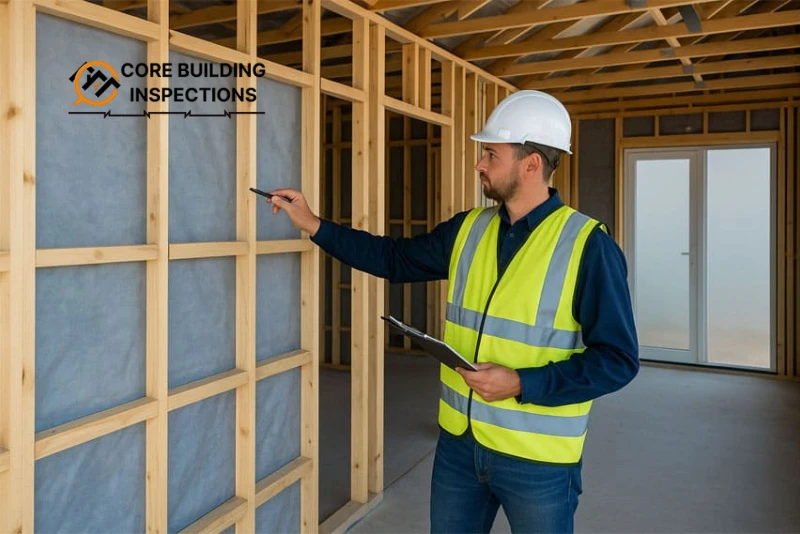
A Pre-Plaster House Inspection is a detailed assessment conducted after the structural frame and roof are complete, the external walls/cladding are finished, windows are installed, and all internal services—plumbing, electrical, heating, and cooling—have been 'roughed-in'.
Timing is Everything: When Does it Happen?
While it follows the Frame Stage Inspection Melbourne, it's far more comprehensive. The frame inspection focuses solely on the skeleton. The pre-plaster inspection examines the skeleton plus the home's entire circulatory, nervous, and respiratory systems (your pipes, wires, and ducts) before they are sealed away. An experienced melbourne building inspector ensures that all work complies with the National Construction Code (NCC), Australian Standards, and your approved building plans.
The Ultimate Pre-Plaster Inspection Checklist ✅
A truly thorough inspection goes beyond a quick glance. Here are the specific details a professional inspector will scrutinize:
A Deeper Dive: What We Scrutinize
1. Structural Frame Integrity
- Compliance & Dimensions: The inspector will measure and verify that all wall frames, roof trusses, and beams match the approved architectural and engineering plans.
- Condition: All timber and steel components are checked for damage, warping, rust, or defects.
- Straight & True: Walls are meticulously checked to be vertically plumb, and floors and ceilings are checked to be level.
- Fixings & Connections: All structural tie-down straps, bracing, beams, and lintels are checked to ensure they are correctly and securely installed.
2. External Walls, Windows, and Doors
- Brickwork & Cladding: The external finish is inspected for consistent mortar joints, correct articulation (expansion) joints, and proper installation of weep holes.
- Window & Door Installation: All units are checked to ensure they are installed plumb, level, and square. Crucially, the waterproof flashing around every frame is inspected.
- Lintels: The structural supports (lintels) above windows and doors are checked for correct size and proper installation.
3. Roofing, Gutters, and Fascia
- Roof Covering: Roof tiles or metal sheeting are checked for correct installation, secure fixing, and proper overlap.
- Gutters & Downpipes: Gutters are checked for correct fall to prevent water from pooling. Downpipe connections are verified.
- Flashings & Pointing: All flashings (around vents, skylights, chimneys, and valleys) are inspected to ensure they are watertight.
4. Internal Services Rough-in (The Hidden Systems) This is arguably the most critical part of a pre plaster inspection:
- Electrical: The placement of all power points and light switches are verified against the plans. Cables are checked for proper securing and protection by nail plates.
- Plumbing: All pipework for water and waste is inspected for correct fall, secure fixing, and leak-free connections.
- HVAC (Heating & Cooling): Ductwork is inspected to ensure it is not crushed, kinked, or torn. All joints must be properly sealed.
- Waterproofing: The waterproofing membrane in all wet areas (bathrooms, laundry) is inspected to ensure it complies with Australian Standard AS 3740.
5. Insulation and Wall Wrap
- Insulation: Insulation batts are checked for the correct R-value and installed neatly with no gaps, compression, or voids.
- Sarking/Wall Wrap: The wrap is inspected to ensure it is correctly installed and free from tears, as it acts as a critical moisture barrier.
The Role of an Independent Inspector: Your Advocate on Site
While this checklist is comprehensive, a professional inspector provides a level of detail and authority that cannot be understated. They act as your independent advocate, ensuring the builder is held to the highest standards.
Knowledge of Codes and Standards
A professional inspector has an in-depth understanding of the National Construction Code (NCC), Australian Standards, and local building regulations. They can identify non-compliance issues that an untrained eye would never notice.
An Unbiased, Objective Report
The primary output of an inspection is a detailed, unbiased report complete with photographic evidence. This document is a powerful tool for ensuring all legitimate defects are rectified by the builder before you proceed.
Frequently Asked Questions (FAQs)
Q1: Is a pre-plaster inspection really necessary? A: Absolutely. It is the single best opportunity to find and fix defects within the core of your home at a minimal cost before they become major, expensive problems.
Q2: When is the perfect time to schedule the inspection? A: Schedule your inspection as soon as your builder informs you that the "lock-up" stage and services rough-in are complete, but before insulation and plasterboard installation begins.
Q3: What happens if defects are found? A: Your inspector will provide a detailed report. You then present this to your builder, who is responsible for rectifying all legitimate defects before proceeding.
Q4: Can I do this inspection myself? A: While you can use this checklist for a walkthrough, a professional report carries more weight and identifies issues you may not recognize. A professional pre plaster inspection in Victoria is a small investment for significant peace of mind.
Secure Your Investment with a Final Check
Don't leave the structural integrity and long-term quality of your new home to chance. A thorough, independent pre-plaster inspection is an investment in quality, safety, and your future. It ensures that the perfect finish you see on the outside is backed by solid, defect-free workmanship on the inside. Ready to ensure your new home is built right from the inside out? Contact Core Building Inspections today to book your comprehensive Pre-Plaster Inspection and build with ultimate confidence.