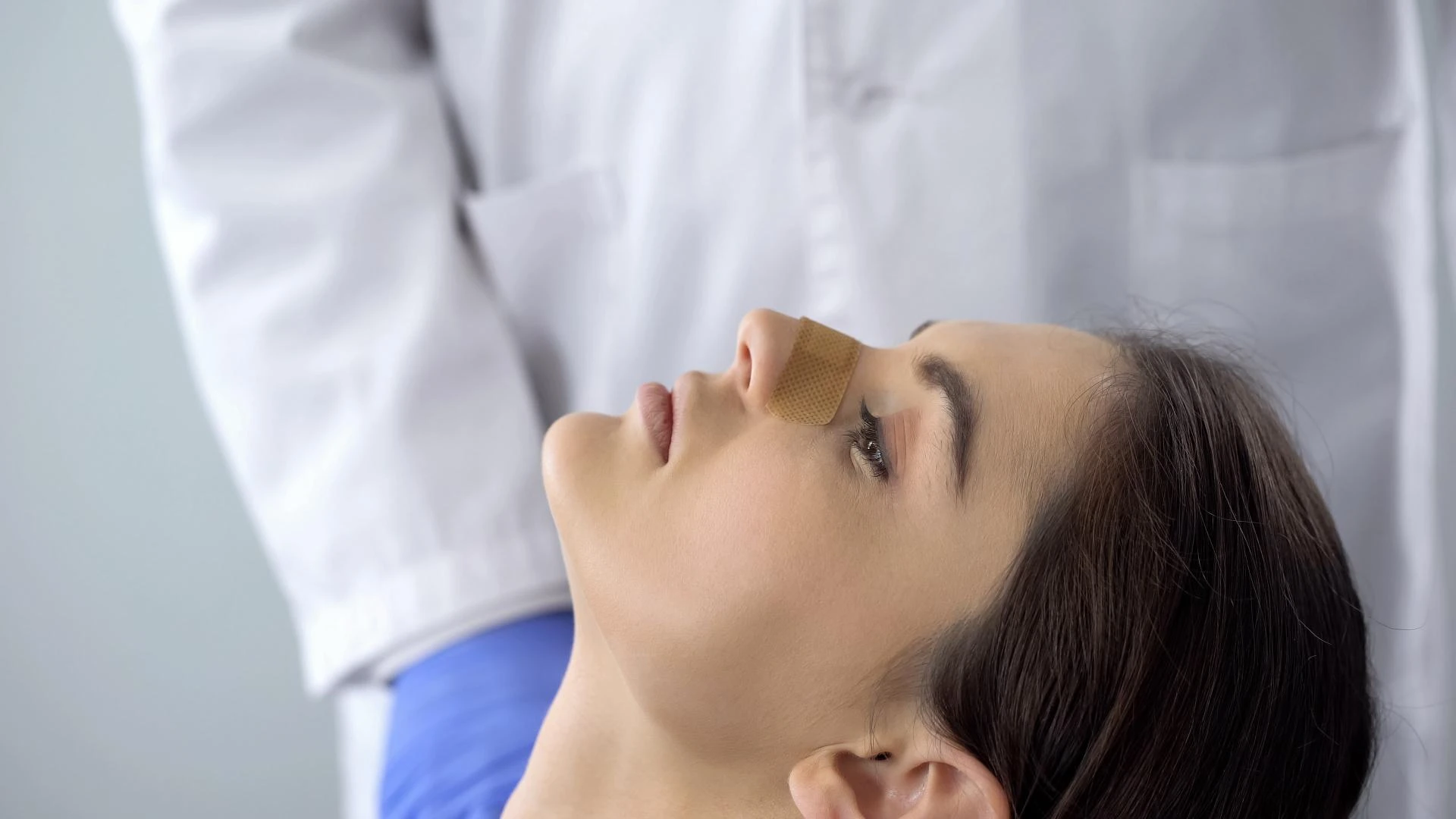
Proper nutrition plays a crucial role in ensuring a smooth recovery and optimal results for patients planning Rhinoplasty in Islamabad. While much attention is given to surgical techniques, post-operative care, and choosing an experienced surgeon, pre-operative nutrition is often overlooked. Eating the right foods before your surgery can improve healing, reduce complications, and even minimize swelling and bruising. This guide covers essential nutrition tips and strategies for rhinoplasty patients to prepare their bodies for a successful procedure.
Why Pre-Op Nutrition Matters
Pre-operative nutrition is important for several reasons:
- Enhanced Healing: Proper nutrients strengthen tissues and promote faster recovery.
- Reduced Risk of Complications: Adequate nutrition helps the immune system function optimally.
- Minimized Swelling and Bruising: Certain foods and supplements can reduce inflammation and bruising after surgery.
- Improved Energy Levels: A well-nourished body copes better with surgery-related stress.
By focusing on nutrition before your surgery, you lay the foundation for a smoother recovery and better aesthetic outcomes.
Essential Nutrients for Rhinoplasty Patients
Certain nutrients are particularly important in the weeks leading up to rhinoplasty:
Nutrient Role in Recovery Food Sources: Protein supports tissue repair and healing. Lean meats, eggs, fish, legumes, tofu. Vitamin C promotes collagen production and reduces inflammationCitrus fruits, strawberries, bell peppers, broccoli. Vitamin A supports immune function and wound healingCarrots, sweet potatoes, spinach. Zinc enhances tissue repair and immune healthPumpkin seeds, nuts, lean meats. Iron prevents anemia and supports oxygen transport meat, lentils, spinachOmega-3 Fatty Acids reduce inflammation and bruisingSalmon, flaxseeds, walnuts. Vitamin K helps reduce post-op bruisingLeafy greens like kale, spinach, broccoli
Including these nutrients consistently in your diet ensures that your body is prepared to handle the stress of surgery.
Pre-Op Nutrition Dos
Here’s a practical guide to what you should focus on before your rhinoplasty:
- Eat Balanced Meals: Include lean protein, complex carbohydrates, and healthy fats in every meal.
- Stay Hydrated: Drink plenty of water to maintain skin elasticity and promote overall healing.
- Increase Vitamin C Intake: Boost collagen production to help tissues recover faster.
- Include Iron-Rich Foods: Prevent anemia and maintain energy levels.
- Add Anti-Inflammatory Foods: Such as berries, fatty fish, and turmeric to reduce swelling.
- Consume Healthy Fats: Avocado, olive oil, and nuts help in healing and maintaining cell integrity.
Pre-Op Nutrition Don’ts
Equally important is knowing which foods and habits to avoid before surgery:
- Limit Processed Foods: High in sodium and sugar, which can increase swelling.
- Avoid Alcohol: It can interfere with anesthesia and healing.
- Reduce Caffeine: Excess caffeine may dehydrate the body and affect blood pressure.
- Avoid Certain Supplements: Vitamin E, fish oil, and herbal supplements may increase bleeding risk (always consult your surgeon).
- Skip Heavy or Greasy Meals Before Surgery: This can lead to nausea during anesthesia.
Sample Pre-Op Nutrition Plan
Here’s a 3-day sample meal plan for rhinoplasty patients in Islamabad:
DayBreakfastLunchSnackDinnerDay 1Oatmeal with berries and chia seedsGrilled chicken salad with olive oil dressingGreek yogurt with honeyBaked salmon with steamed vegetables and quinoaDay 2Scrambled eggs with spinach and whole-grain toastLentil soup with whole-grain breadHandful of nutsGrilled turkey breast with sweet potato and broccoliDay 3Smoothie with banana, berries, and protein powderQuinoa salad with chickpeas and avocadoCarrot and cucumber sticks with hummusBaked cod with brown rice and sautéed vegetables
Consistency in following a balanced nutrition plan can significantly impact post-surgery recovery and minimize complications.
Additional Tips for Rhinoplasty Patients
- Start 2–3 Weeks Before Surgery: Incorporate nutrient-rich foods well ahead of your procedure.
- Track Your Diet: Maintain a food diary to ensure you are meeting your nutritional goals.
- Consult a Nutritionist: Personalized guidance can help optimize your diet for healing.
- Prepare for Post-Op Needs: Stock up on soft, nutrient-rich foods for after surgery.
FAQs About Pre-Op Nutrition for Rhinoplasty
Q1: Can I eat normally the day before rhinoplasty?
No, most surgeons advise a light, easily digestible meal the night before surgery and fasting for a specific period as instructed.
Q2: Is protein the most important nutrient before surgery?
Protein is essential, but vitamins, minerals, and hydration are equally important for a smooth recovery.
Q3: Can supplements replace healthy foods?
Supplements can help, but they cannot replace a balanced diet. Whole foods provide multiple nutrients necessary for healing.
Q4: How does hydration affect surgery recovery?
Proper hydration improves skin elasticity, reduces swelling, and supports overall healing.
Q5: Should I avoid all fats before surgery?
No, healthy fats are important. Avoid trans fats and excessive saturated fats, but include omega-3-rich foods for anti-inflammatory benefits.
Conclusion
Pre-operative nutrition is a key factor in ensuring successful Rhinoplasty in Islamabad. By focusing on protein, vitamins, minerals, healthy fats, and proper hydration, patients can optimize healing, reduce complications, and support better aesthetic outcomes. Avoiding alcohol, processed foods, and certain supplements further enhances recovery. Planning your diet ahead of surgery and consulting with a healthcare professional ensures that your body is in the best possible condition for the procedure.
For expert guidance and professional rhinoplasty procedures, Dynamic Aesthetic Clinic offers comprehensive care that combines surgical expertise with personalized nutrition and recovery plans. Their team ensures that each patient receives the highest level of attention, from pre-op preparation to post-op recovery, guaranteeing safe and beautiful results.