
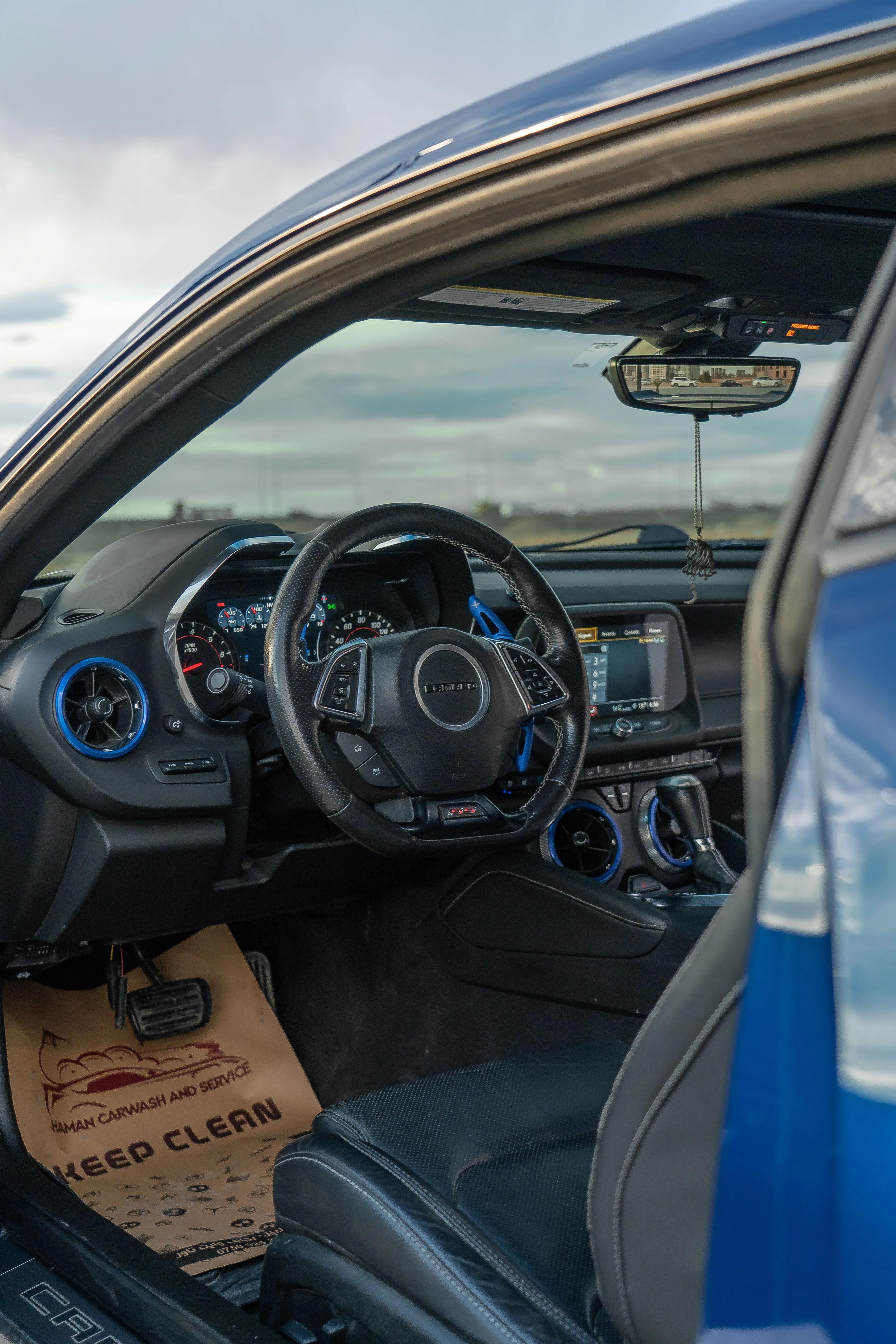
Owning a vehicle involves regular responsibilities that go beyond refuelling and occasional cleaning. Everyday driving gradually affects tyres, brakes, engine components and other mechanical systems. Maintaining these parts properly helps improve vehicle reliability, supports road safety and reduces the likelihood of unexpected breakdowns. Balfour Auto Service understands the importance of professional automotive care and preventative maintenance for everyday motorists. Booking a RWC Sunshine inspection can help determine whether your vehicle meets Victoria's minimum roadworthiness requirements when a certificate is needed.
1. Make Regular Vehicle Inspections a Priority
Regular inspections help identify developing mechanical problems before they become more complicated. Even when a vehicle appears to operate normally, certain components may gradually deteriorate through everyday use.
Important areas to inspect include:
- Engine oil and coolant levels.
- Brake pads, rotors and brake fluid.
- Tyre pressure and tread condition.
- Battery terminals and electrical connections.
- Steering and suspension components.
- Lights, indicators and windscreen wipers.
Following the manufacturer's maintenance recommendations helps ensure that these components receive appropriate attention.
2. Maintain Proper Tyre Pressure
Tyre pressure affects vehicle handling, braking performance and fuel efficiency. Incorrect inflation can contribute to uneven tread wear and reduce driving stability.
Underinflated tyres create additional rolling resistance, which may increase fuel consumption. Overinflated tyres can affect road contact and driving comfort.
Check tyre pressure regularly when the tyres are cold. Always use the pressure figures recommended by the vehicle manufacturer rather than relying on the maximum pressure printed on the tyre sidewall.
Also inspect the tread for visible damage, cracks and embedded objects. If a tyre repeatedly loses pressure, arrange a professional inspection to identify the cause.
3. Keep the Engine Cooling System Efficient
The cooling system regulates engine temperature and protects important internal components from excessive heat.
It consists of several parts, including the radiator, coolant, thermostat, water pump, hoses and cooling fan.
Low coolant levels, damaged hoses and radiator leaks can affect cooling performance. Drivers should check the coolant reservoir when the engine is completely cool and look for visible leaks.
If the temperature gauge rises above its normal range, stop safely and switch off the engine. Continuing to drive an overheating vehicle can result in significant mechanical damage.
4. Understand the Importance of Brake Maintenance
A properly maintained braking system helps drivers respond to changing traffic conditions and stop safely when required.
Brake pads gradually become thinner through everyday use. Rotors can also develop uneven surfaces or other damage that affects braking performance.
Warning signs include squealing, grinding, vibrations and changes in pedal response.
Brake fluid should be inspected and replaced according to manufacturer recommendations. If braking performance changes unexpectedly, arrange an inspection as soon as possible.
Avoid delaying brake repairs because worn components can affect other parts of the braking system.
5. Take Care of Your Vehicle's Battery
The battery supplies electrical power required to start the engine and operate various vehicle systems.
As batteries age, their ability to hold a charge gradually decreases. Slow starting, dim headlights and intermittent electrical problems may indicate that the battery needs testing.
Corrosion around the terminals and loose connections can also interfere with electrical performance.
A professional battery assessment can help determine whether the battery needs charging or replacement. The alternator and starting system should also be checked when charging problems occur repeatedly.
6. Follow the Correct Maintenance Schedule for European Vehicles
European vehicles often feature advanced electronic systems, specialised engine configurations and manufacturer-specific maintenance requirements.
Routine maintenance should be based on the vehicle's make, model, age and service history. Using suitable oils, filters and replacement components is important for maintaining proper operation.
Drivers should also pay attention to dashboard warnings and unusual changes in performance. Electronic diagnostic testing can help identify faults that may not be immediately visible during a basic inspection.
For motorists who own a European luxury vehicle, consulting experienced mercedes benz specialists Melbourne can help ensure that maintenance and mechanical concerns receive appropriate attention.
7. Do Not Ignore Unusual Noises
Unusual vehicle noises can provide early indications of developing mechanical problems.
Squealing may be associated with worn belts or brake components, while knocking sounds could indicate engine or suspension concerns. Grinding noises may suggest that certain components are damaged or operating without proper lubrication.
Pay attention to when the noise occurs. Whether it happens during acceleration, braking, turning or idling can provide useful diagnostic information.
A professional inspection can help determine the source and recommend the appropriate repair.
8. Keep Your Vehicle Clean and Protected
Cleaning your vehicle regularly helps protect its exterior and interior from dirt, dust and environmental contaminants.
Road grime, bird droppings and other substances can gradually damage paintwork if left untreated. Washing and drying the exterior helps maintain its appearance.
The interior should also receive attention. Cleaning floor mats, seats and ventilation areas helps create a more comfortable driving environment.
During cleaning, check for signs of rust, damaged rubber seals and water entering the cabin. Addressing these concerns early can help prevent further deterioration.
9. Prepare Your Vehicle for Changing Weather Conditions
Different weather conditions can place additional demands on vehicle components.
During wet weather, tyres and windscreen wipers become particularly important for maintaining visibility and road grip.
In warmer conditions, the cooling system and air conditioning may experience increased demand. Drivers should monitor engine temperature and ensure that ventilation systems operate correctly.
Before travelling during extreme weather, check essential fluids, tyres, lights and battery condition.
10. Maintain Accurate Vehicle Records
Keeping service and repair records helps owners monitor their vehicle's condition over time.
Store invoices, inspection reports and details of replaced components. These documents provide useful information when planning future maintenance or investigating recurring mechanical problems.
Accurate records can also demonstrate responsible vehicle ownership when selling the car.
Conclusion
Keeping a vehicle safe and road-ready requires regular inspections, responsible driving habits and timely maintenance. From monitoring tyre pressure and engine temperature to maintaining brakes and electrical systems, every small maintenance task contributes to overall vehicle reliability. Working with experienced car mechanic Sunshine professionals can help motorists identify developing concerns and maintain their vehicles through appropriate automotive care. Making vehicle maintenance a regular priority helps support safer journeys and long-term performance.