In the ever-evolving world of energy and infrastructure, industrial transformers serve as the silent giants behind reliable and efficient power distribution. From factories and data centers to renewable energy hubs and transportation networks, these vital components are at the heart of modern industry. As the demand for power grows, so does the need for smarter, more efficient transformer solutions.
What Are Industrial Transformers?
Industrial transformers are large-scale electrical devices used to transfer electrical energy between circuits through electromagnetic induction. Their main job? Step voltage up or down to make electricity safe and usable for a wide range of industrial applications.
Unlike standard distribution transformers used in homes or small businesses, industrial models are built to handle:
- High voltage capacities
- Heavy load demands
- Continuous 24/7 operation
- Challenging environments
These transformers are found in industries such as:
- Manufacturing
- Oil and gas
- Mining
- Renewable energy
- Healthcare
- Utilities and data centers
Why Industrial Transformers Matter
- Efficient Energy Flow
- Power grids don’t always generate electricity at the same voltage required by end users. Industrial transformers help manage this flow — stepping voltage up for long-distance transmission and stepping it down for safe local use.
- Reduced Power Losses
- Efficiency is key. High-quality industrial transformers are designed to minimize core and copper losses, which helps industries cut energy waste and reduce operational costs.
- Voltage Regulation
- Industrial facilities often require stable voltage for sensitive machinery. Modern transformers provide reliable voltage regulation to avoid downtime and protect equipment.
- Safety & Reliability
- Operating in high-demand environments, industrial transformers are built for durability and resilience. Features such as temperature control, overload protection, and advanced monitoring systems help prevent failures and fires.
Types of Industrial Transformers
There are several types, each designed for specific applications:
- Power Transformers
- Used in transmission networks with high voltage (above 33 kV) perfect for power plants and substations.
- Distribution Transformers
- Deliver electricity at usable voltages for end-users. In industrial settings, these are designed to handle higher loads than residential models.
- Dry-Type Transformers
- Air-cooled and safe for indoor use common in commercial and sensitive areas like hospitals and high-rises.
- Cast Resin Transformers
- Moisture-resistant and fire-retardant, ideal for environments with high humidity or risk of fire.
- Special Purpose Transformers
- Custom-built for niche applications — e.g., for data centers, EV charging, mining operations, or marine use.
Innovation Driving the Future
The push for energy efficiency and carbon reduction is transforming how industrial transformers are designed and used.
1. Low-Loss Technology
Manufacturers are now focusing on amorphous core transformers, which significantly reduce core losses compared to traditional CRGO (Cold Rolled Grain Oriented) transformers. This means lower electricity bills and smaller carbon footprints.
2. Smart Monitoring
Modern industrial transformers often feature IoT-enabled sensors that allow remote monitoring of load, temperature, oil levels, and insulation health. This helps companies move from reactive to predictive maintenance.
3. Eco-Design Standards
In regions like the UK and EU, Tier 2 EcoDesign regulations push for ultra-efficient designs. Companies like Wilson Power Solutions have responded with innovations like the Wilson e4 Europe’s most efficient distribution transformer.
4. Integration with Renewables
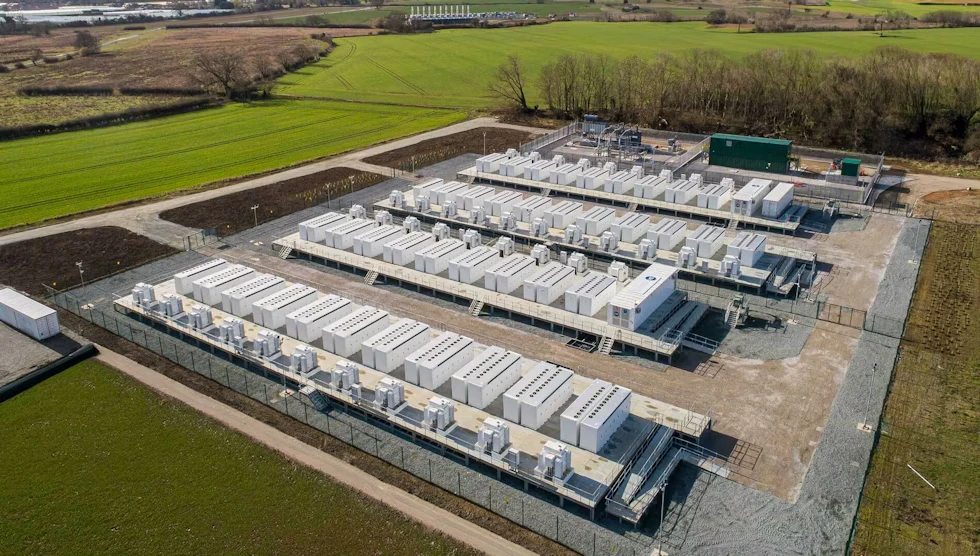
Industrial transformers are now being optimized to support solar, wind, and battery energy storage systems (BESS). They are designed to handle variable loads and two-way energy flows, making them key enablers of clean energy infrastructure.
Choosing the Right Transformer
When selecting an industrial transformer, consider:
- Voltage and load capacity
- Efficiency class (Tier 1 or Tier 2 compliant)
- Cooling method (oil-filled vs. dry-type)
- Space and installation conditions
- Environmental certifications
- After-sales support and lifecycle services
Working with a trusted transformer manufacturer ensures you get a solution tailored to your operational and sustainability goals.
Final Thoughts
As industries shift toward smarter, greener operations, industrial transformers are no longer just functional they’re strategic assets. The right transformer can reduce energy consumption, enhance reliability, and support your path to Net Zero. Whether you’re retrofitting aging equipment or planning a new facility, investing in high-performance transformer technology is a step toward future-proofing your power infrastructure.