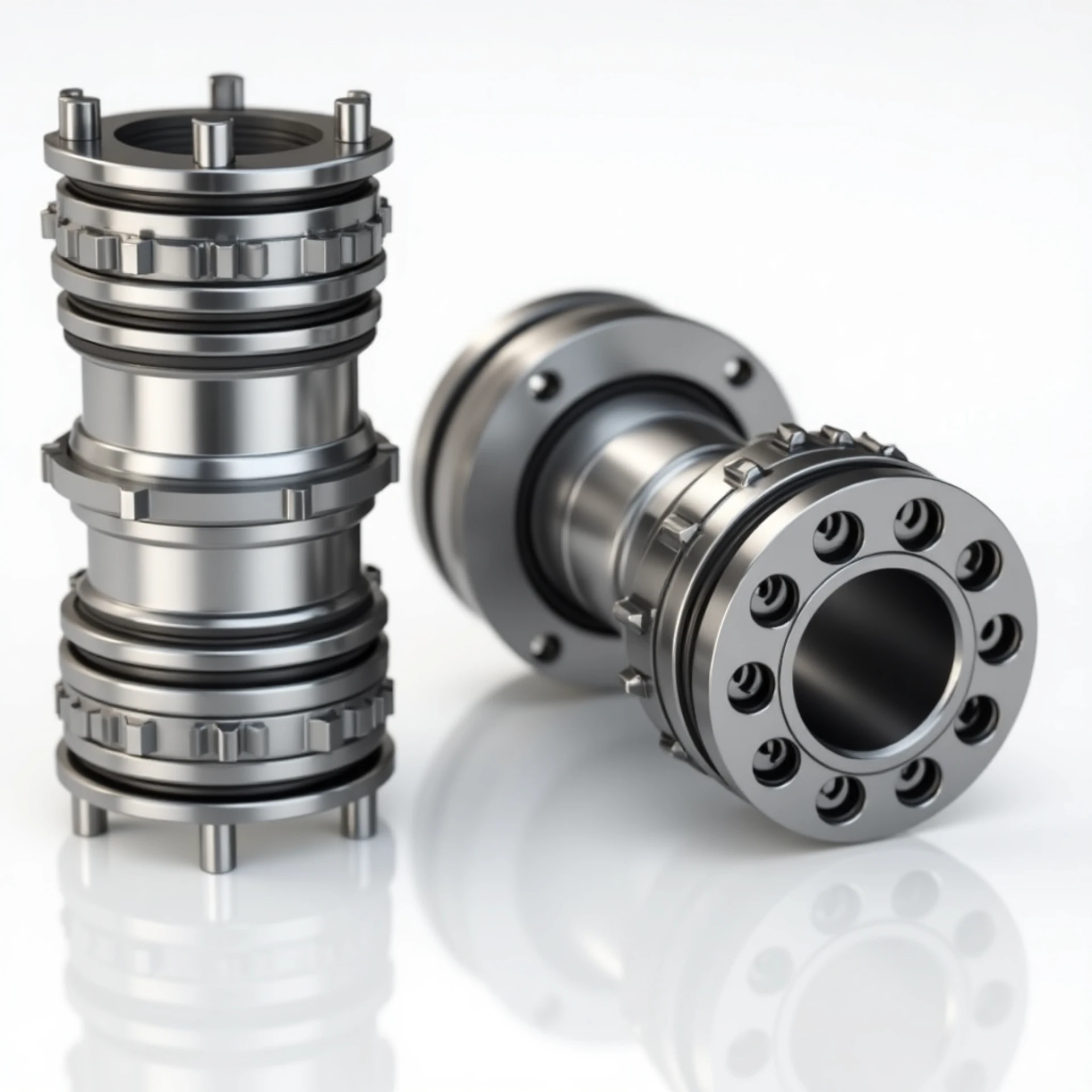
In the realm of industrial machinery, transferring power efficiently and protecting components from overload are essential for seamless operations. This is where torque transmission devices step in—playing a pivotal role in ensuring machinery runs smoothly, safely, and with minimal wear.
Among various options available today, hydrodynamic couplings have carved a niche for themselves. Known for their ability to control shock loads and prevent damage during start-up or overload conditions, they are essential to critical industrial systems that depend on consistency and protection.
Understanding How Torque Transmitters Work
Every machine that relies on rotary motion needs a method to pass on power from one shaft to another. This is accomplished through a mechanical connection, commonly known as a coupling. While many couplings are rigid or flexible, hydraulic-based units stand out for their smoothness and built-in protection mechanisms.
Rather than direct contact between parts, they use a fluid medium to transmit torque—this means less friction, smoother operation, and longer-lasting performance.
What Makes Hydraulic Drive Couplers So Unique?
Unlike rigid connectors that transmit torque via direct mechanical contact, these devices utilize a liquid-driven system. It involves three primary components:
- Pump Wheel (Impeller): Connected to the driving shaft.
- Turbine Wheel (Runner): Attached to the driven shaft.
- Working Fluid: Usually oil or water-based fluid that carries the kinetic energy.
When the driving shaft rotates, the impeller circulates the fluid, transferring kinetic energy to the runner, thereby rotating the output shaft. The result? Smooth, controlled power transmission with shock absorption benefits.
Key Benefits That Set Them Apart
Here’s why industrial engineers often prefer hydraulic torque connectors over their mechanical counterparts:
1. Shock Load Protection
They absorb impact loads during startup and sudden halts, reducing wear on connected components.
2. Smooth Startup
By providing gradual torque increase, they help prevent jerks that can damage belts or motors.
3. Overload Safety
If the load exceeds safe limits, the fluid-based system slips, protecting the system from breakdown.
4. Zero Mechanical Contact
There’s minimal wear and tear since power is transmitted through fluid motion, not direct contact.
5. Versatile Applications
Ideal for conveyors, crushers, mixers, fans, and pumps—especially where controlled acceleration is required.
Where You’ll Commonly Find These Power Transfer Units
Hydrodynamic shaft connectors are widely used in industries like:
- Mining and Cement Plants – In large crushers and ball mills
- Chemical Processing – For high-speed mixers and agitators
- Thermal Power Stations – In coal handling and ash disposal systems
- Marine Applications – For controlled propeller systems
- Material Handling – Especially in bucket elevators and heavy-duty conveyors
They’re particularly favored in setups where variable load conditions and soft start features are required.
Comparing With Other Types of Couplers
Unlike rigid shaft couplers, which are ideal for perfectly aligned systems, or flexible devices, which compensate for misalignments, liquid-based couplers excel in dynamic load environments. They ensure that even if there's a load spike, your motor remains protected and functional.
Compared to gear-type units, which can be noisy and prone to wear, these options provide silent operation and longer service intervals.
Design Considerations Before Installation
When selecting the right unit, make sure to evaluate the following factors:
- Power Rating: Match it to the motor's capacity.
- Operating Environment: Choose fluid-resistant housing if working in corrosive environments.
- Fluid Type: Ensure compatibility with the industry’s required lubricants or coolants.
- Cooling System: Some setups need external cooling to maintain fluid properties under high stress.
- Mounting Orientation: Horizontal or vertical mounting compatibility varies by model.
Signs It’s Time to Upgrade Your System
If your current system shows signs like:
- Frequent motor overloads
- Vibration during startup
- High maintenance on connected parts
- Loud operation noises
- Premature belt or shaft wear
…it’s time to explore better torque control devices. A well-designed fluid coupling system can address all of the above and enhance the life of your industrial equipment.
The Future of Torque Management Systems
With automation and Industry 4.0 becoming the norm, the demand for intelligent drive systems is rising. Manufacturers now offer smart variants with built-in sensors to monitor temperature, speed, and fluid levels—allowing for predictive maintenance and improved uptime.
Couplers are no longer passive components. They are evolving into intelligent torque control devices that contribute to system efficiency and reduced energy loss.
Conclusion with Built-in Call to Action
Investing in efficient torque transmission technology is not a luxury—it’s a necessity. Whether you’re operating in mining, chemicals, or manufacturing, a smart switch to fluid couplings can lead to smoother operations, better machinery health, and lower long-term costs. It’s time to rethink your drive system and adopt solutions that support both performance and protection.
Start making smarter mechanical choices today—upgrade your system with precision-engineered torque devices and experience the difference in every revolution.