
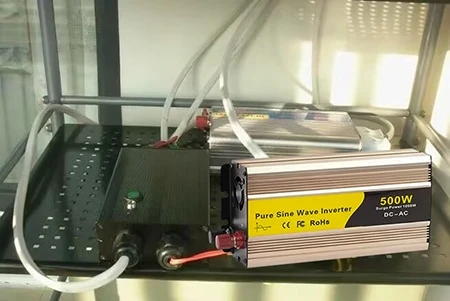
When it comes to converting DC power from batteries or other sources into usable AC power for various devices, a power inverter is an essential tool. Whether you're planning a road trip, preparing for a power outage, or simply need a reliable power source on the go, choosing the right power inverter is crucial. In this article, we'll explore the key features and considerations to help you find the perfect power inverter for your needs.
Key Features of Power Inverters
Power Capacity
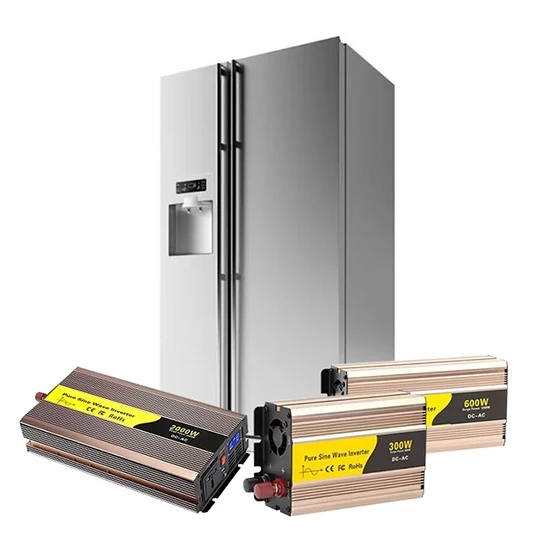
Power inverters come in various power ratings, from 75W to 5000W. The capacity you need depends on the devices you intend to power. For instance, a 60W car power inverter can efficiently power laptops and smartphones, while a 750W car power inverter can handle larger appliances like small refrigerators.
Input and Output Voltage
Inverters can be designed for different input voltages (e.g., 12V, 24V, 48V DC) and output voltages (e.g., 110V, 120V, 220V AC). This versatility makes them suitable for a range of applications, from car use to home and industrial settings.
Waveform
There are two main types of inverters based on waveform: pure sine wave and modified sine wave. Pure sine wave inverters provide a smoother, more stable power output, making them ideal for sensitive electronics like computers and medical devices. Modified sine wave inverters are more affordable and suitable for most household appliances.
Safety Features
Safety is a crucial aspect of power inverters. Features like overload protection, short circuit protection, thermal shutdown, and low voltage alarms ensure that the inverter and connected devices are protected from damage.
How to Use a Power Inverter
Matching Voltages
- Ensure the DC input voltage of the inverter matches the battery voltage (e.g., 12V, 24V). The inverter’s DC input terminals are clearly marked positive (+) and negative (-), and should match the battery’s terminals.
Power Capacity
- The inverter’s output power must be greater than the power of the connected appliances, especially for those with high starting power (e.g., refrigerators, air conditioners). Leave a margin to avoid overloading.
Proper Placement
- Place the inverter in a well-ventilated, non-humid position, away from rain and flammable materials. Maintain a distance of about 20 cm from surrounding objects.
Avoid Simultaneous Charging and Inverting
- Do not charge the battery and use the inverter at the same time. This can damage the inverter.
Safety Precautions
- Never open the inverter’s case. If you suspect a fault, disconnect the input and output and seek help from qualified maintenance personnel.
- Ensure the inverter is properly grounded before connecting any loads.
- When connecting the inverter to the battery, ensure there are no other metals on your hands to avoid short circuits.
How to Choose the Right Power Inverter
1. Determine Your Power Needs: Add up the wattage of all the devices you plan to power simultaneously. This total power requirement will help you choose the right inverter size.
2. Consider Surge Power: Some devices require a higher power surge during startup. Check the surge power ratings of your devices.
3. Check Input Voltage: Ensure the inverter's input voltage matches your power source.
4. Look for Efficiency: Higher efficiency ratings mean less energy loss.
5. Safety and Protection: Choose inverters with multiple safety features to protect your devices.
Conclusion
Power inverters are versatile devices that play a critical role in converting DC power to AC power for various applications. Whether you need an inverter for your car, home, or industrial use, there is a suitable option available. Consider factors such as power capacity, input/output voltage, waveform, and safety features when selecting an inverter. By understanding these key aspects and following proper installation and safety guidelines, you can ensure reliable and efficient power conversion for your specific needs.