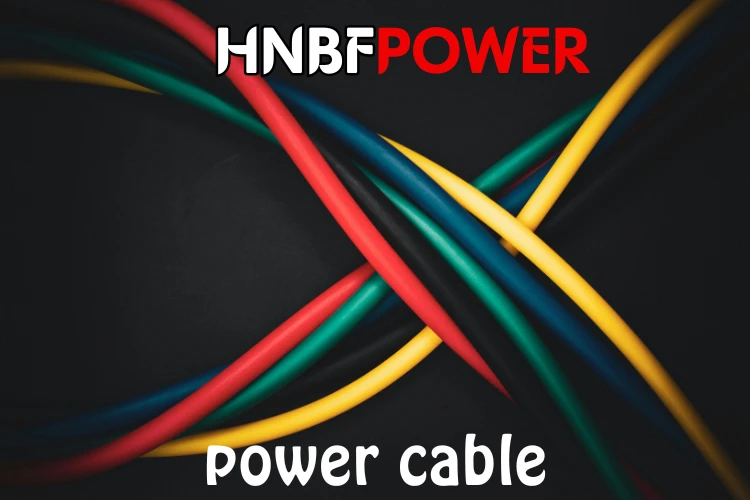
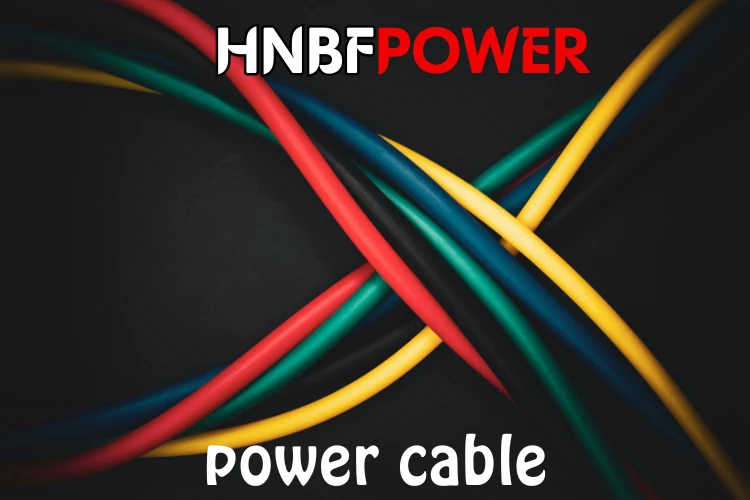
Power cables are the backbone of modern electrical infrastructure, transmitting electricity efficiently from generation points to end-users. Selecting the right type of power cable is critical for ensuring reliability, safety, and optimal performance in industrial, commercial, and utility projects. HNBF Power, a global manufacturer of overhead conductors and power cables, provides high-quality solutions tailored to the specific needs of engineers, EPC contractors, and procurement teams.
Understanding Power Cables: Types and Applications
Power cables are designed to carry electrical current safely over distances while minimizing energy loss. The key types include:
Low Voltage (LV) Power Cables
LV power cables are used in residential, commercial, and light industrial applications. These cables are designed to safely handle voltages up to 1 kV and are ideal for distributing power within buildings or small-scale industrial setups.
Medium and High Voltage Cables
For industrial plants, substations, and large-scale infrastructure projects, medium and high voltage power cables ensure stable and efficient transmission of electricity over longer distances. HNBF Power manufactures cables with enhanced insulation, excellent thermal performance, and long-term reliability for these demanding applications.
Overhead and Underground Cables
Overhead cables like AAC, AAAC, and ACSR are engineered for transmission and distribution networks. Underground cables, including armored and concentric types, provide enhanced protection in urban environments or areas exposed to mechanical stress. Choosing the correct installation type is critical for system longevity and minimal maintenance.
Key Factors to Consider When Selecting Power Cables
Engineers and procurement buyers must evaluate multiple technical parameters before selecting a power cable:
- Current Capacity and Voltage Rating – Ensure the cable can handle the expected load and system voltage.
- Environmental Conditions – Factors like temperature, moisture, and exposure to chemicals affect cable longevity.
- Mechanical Strength – For overhead lines, tensile strength and resistance to mechanical stress are essential.
- Compliance and Standards – Ensure cables meet international standards (IEC, BS, ASTM) for safety and performance.
- Cost vs. Performance – Optimal solutions balance initial cost with long-term reliability and low maintenance.
HNBF Power emphasizes manufacturing cables that meet rigorous quality standards, ensuring dependable performance in diverse environmental and industrial conditions.
Advantages of Partnering with HNBF Power for Power Cables
- Global Expertise: HNBF Power supplies power cables for projects worldwide, offering insight into local grid requirements.
- Custom Solutions: Tailored conductor configurations and insulation materials to meet specific project demands.
- Quality Assurance: All products are tested for mechanical durability, electrical efficiency, and thermal endurance.
- Sustainable Practices: HNBF Power focuses on environmentally responsible manufacturing and materials.
Frequently Asked Questions (FAQs)
Q1: What is the difference between AAC, AAAC, and ACSR cables?
A1: AAC is plain aluminum conductor for low mechanical load, AAAC is alloy aluminum for higher strength, and ACSR combines steel core with aluminum for extra tensile strength, commonly used in long transmission lines.
Q2: Can HNBF Power supply customized power cable solutions?
A2: Yes, HNBF Power provides tailored conductor sizes, insulation types, and voltage ratings based on project requirements.
Q3: What industries commonly use HNBF Power cables?
A3: Industrial plants, power utilities, construction projects, and infrastructure developments globally rely on HNBF Power products.
Q4: How do I ensure the selected power cable is suitable for my environment?
A4: Evaluate the cable’s thermal rating, moisture resistance, mechanical strength, and compliance with international standards. HNBF Power engineers provide technical consultation for optimal selection.
Q5: What certifications do HNBF Power cables have?
A5: All cables adhere to international standards, including IEC, ASTM, and relevant national certifications, ensuring safe and reliable operation.
Conclusion
Selecting the right power cable is critical for ensuring efficiency, safety, and long-term reliability in electrical infrastructure projects. HNBF Power offers high-quality, customizable power cables designed to meet the demands of engineers, procurement professionals, and EPC contractors worldwide.
Contact HNBF Power today to discuss your project requirements and receive tailored solutions for your power cable needs.