Choosing a deicing chemical is not simply a matter of finding the lowest price per ton. For winter maintenance contractors, airport operators, road maintenance teams and chemical distributors, product form, concentration, storage requirements and application equipment can all affect the final purchasing decision.
Potassium acetate and sodium acetate are two acetate-based chemicals that buyers may consider for ice control. Both can lower the freezing point of water, but they differ in chemical composition, commercial forms and procurement considerations.
Understanding these differences can help buyers select a product that fits their operating conditions instead of relying on price or chemical names alone.
1. The Main Difference Between Potassium Acetate and Sodium Acetate
Both products belong to the acetate salt family. Their main chemical difference is the metal ion: potassium acetate contains potassium, while sodium acetate contains sodium.
| Comparison | Potassium Acetate | Sodium Acetate |
|---|---|---|
| Chemical formula | CH₃COOK | CH₃COONa |
| CAS number | 127-08-2 | 127-09-3 (anhydrous) |
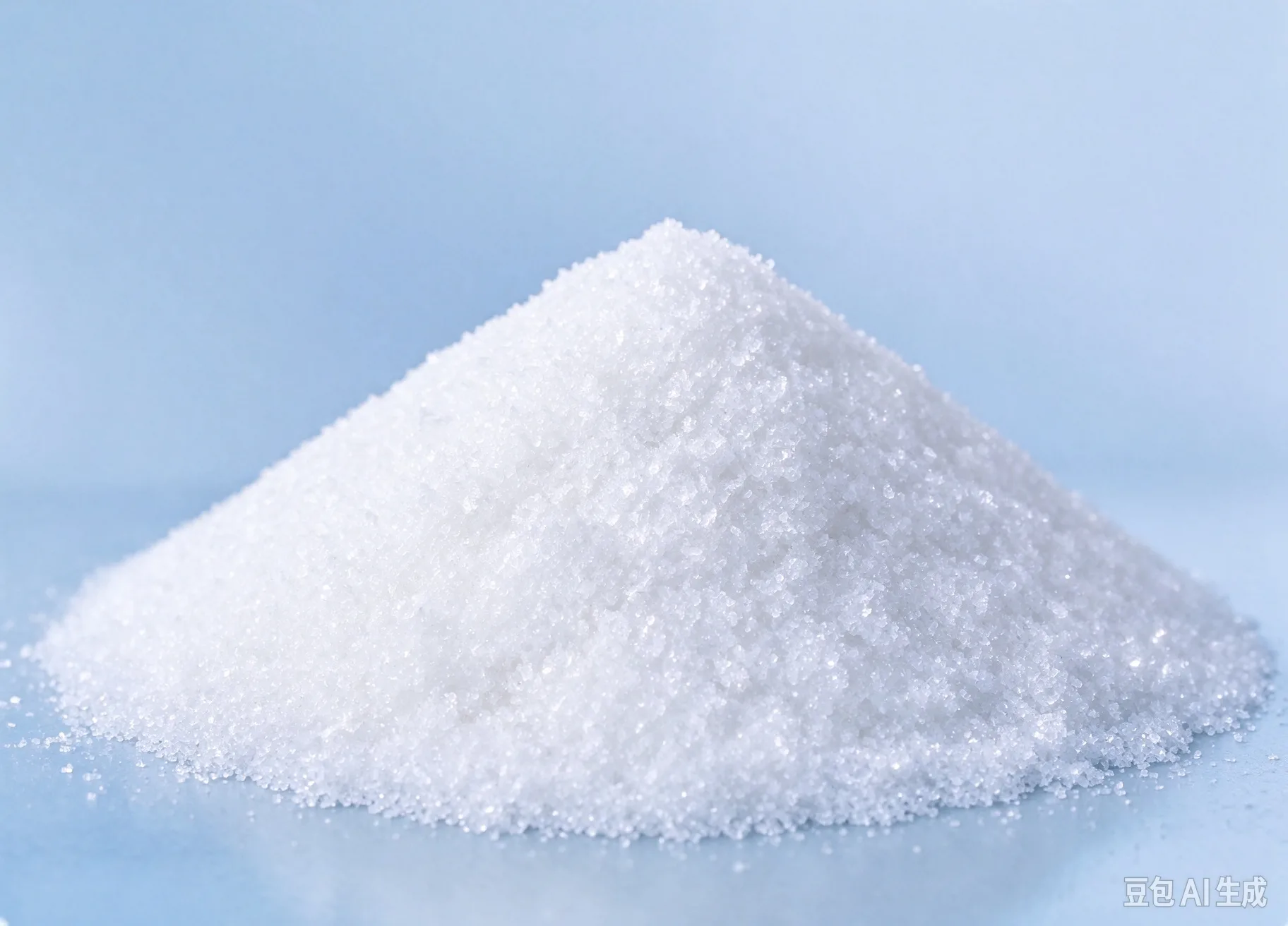
| Commercial form | Powder and liquid | Powder |
| Common grades | Solid and liquid solutions | Anhydrous and trihydrate |
| Key purchasing factors | Purity, moisture, concentration, density | Purity, hydration form, moisture |
| Handling considerations | Solid handling or liquid storage systems | Solid storage and possible dissolution |
The differences in commercial form can be more important to daily operations than the chemical formula itself. A facility with liquid spraying equipment may prefer a ready-to-use solution, while a buyer equipped for solid chemicals may prioritize powder.
2. Product Form Can Change Your Operating Costs
Potassium Acetate: Powder or Liquid
Potassium acetate is available in both powder and liquid forms. Powder may be suitable for buyers who prefer solid materials, have storage arrangements for dry chemicals or prepare solutions on site.
Liquid potassium acetate can be used in compatible liquid handling and spraying systems. Buyers should check the concentration, density and other solution specifications when requesting quotations.
The two forms involve different logistics. Powder requires moisture protection and may need preparation before application. Liquid products require suitable tanks, transport arrangements and equipment compatibility.
Sodium Acetate: Check the Hydration Form
Sodium acetate is supplied in powder form, including anhydrous sodium acetate and sodium acetate trihydrate.
The two grades are not identical in composition:
- Anhydrous sodium acetate: CH₃COONa, without crystal water.
- Sodium acetate trihydrate: CH₃COONa·3H₂O, containing three water molecules in its crystal structure.
The trihydrate contains less anhydrous sodium acetate equivalent per kilogram than the anhydrous grade. Buyers comparing quotations should therefore confirm the exact grade and specification rather than comparing prices based only on the product name.
The hydration form also affects how buyers calculate chemical content, storage needs and product cost.
3. How Acetate-Based Deicers Work
Potassium acetate and sodium acetate can help melt ice by lowering the freezing point of water.
When an acetate salt dissolves, it forms dissolved ions. These ions change the freezing behavior of the solution, allowing it to remain liquid below the freezing point of pure water. When the solution interacts with ice, it can help melt the ice and loosen its bond with the treated surface.
However, buyers should not assume that potassium acetate always melts ice faster than sodium acetate, or that the two products perform identically.
Field performance depends on several factors:
- Operating temperature
- Chemical concentration
- Application rate
- Ice thickness and surface conditions
- Weather changes and additional precipitation
- Application equipment and treatment procedures
A product that works well under one set of conditions may require a different application strategy under another. Testing and evaluation under actual site conditions remain important.
4. Which Product Fits Your Deicing Operation?
The right choice depends on the equipment, surface and operating requirements.
Road and Highway Maintenance
Road maintenance teams should consider whether their operations use solid spreading, liquid spraying or a combination of treatment methods.
Potassium acetate powder, liquid potassium acetate and sodium acetate powder have different preparation and handling requirements. Equipment availability, road conditions, expected temperatures and maintenance procedures should guide product selection.
Airport Pavement Maintenance
Airport runways, taxiways and aprons require careful winter maintenance. Buyers evaluating acetate-based products should review project specifications, pavement compatibility, application procedures and equipment requirements before selecting a chemical.
Pavement deicing should also be distinguished from aircraft deicing. The products and requirements for ground pavement treatment are not necessarily the same as those for aircraft deicing fluids.
Industrial Facilities and Commercial Properties
Warehouses, logistics centers, loading areas, industrial parks and commercial parking facilities may need ice control to maintain operations.
Liquid potassium acetate may be considered where compatible liquid application systems are available. Solid products may suit operations that use dry spreading or prepare solutions on site.
Storage capacity, labor, handling procedures and application equipment should be included in the evaluation.
5. Compare More Than Ice-Melting Performance
Chemical performance is only one part of the purchasing decision.
Material Compatibility
Deicing chemicals can interact differently with pavement, metals, coatings, concrete and surrounding infrastructure. Buyers should review material compatibility and project requirements before approving a product for routine use.
Do not assume that an acetate-based product is automatically suitable for every surface or that it has zero corrosion impact.
Environmental Considerations
Environmental impact depends on the chemical used, application quantity, drainage, site conditions and receiving environment.
Buyers should review applicable environmental requirements and avoid excessive application. A deicer should be evaluated as part of the entire winter maintenance program, not only by its melting performance.
Storage and Handling
Powder and liquid products require different storage arrangements.
Powder products need suitable dry storage and handling procedures. Liquid potassium acetate requires compatible tanks, transfer equipment and transportation arrangements.
These practical requirements can influence the total cost of using a product over an entire winter season.
6. How to Compare the Total Cost of Deicing Chemicals
Price per ton is an important starting point, but it does not tell the whole story.
When comparing potassium acetate and sodium acetate quotations, buyers should evaluate:
- Product grade and chemical content
- Hydration form of sodium acetate
- Concentration of liquid potassium acetate
- Packaging and storage requirements
- Transport costs
- Preparation and dissolution requirements
- Application equipment and labor
- Application rates under actual operating conditions
- Material compatibility and maintenance requirements
For example, a liquid product with a lower price per ton but a different concentration may not offer the same chemical content or operating cost as another quotation.
Similarly, sodium acetate trihydrate and anhydrous sodium acetate should not be compared on a simple ton-for-ton basis without considering their composition.
A more useful comparison is the cost of achieving the required treatment performance under the facility's actual operating conditions.
7. What Should Buyers Confirm Before Placing an Order?
Before purchasing acetate-based deicers, buyers should confirm the following information with their supplier:
- Product form: Powder or liquid, depending on the application system.
- Grade and specifications: Purity, moisture, concentration, density or hydration form as applicable.
- Application requirements: Intended surface, operating temperature and treatment method.
- Packaging: Bags, drums, IBCs or other suitable options, subject to availability.
- Documentation: Technical Data Sheet (TDS), Certificate of Analysis (COA) and Safety Data Sheet (SDS).
- Supply arrangements: Order quantity, delivery schedule, shipping terms and destination requirements.
Clear specifications help avoid