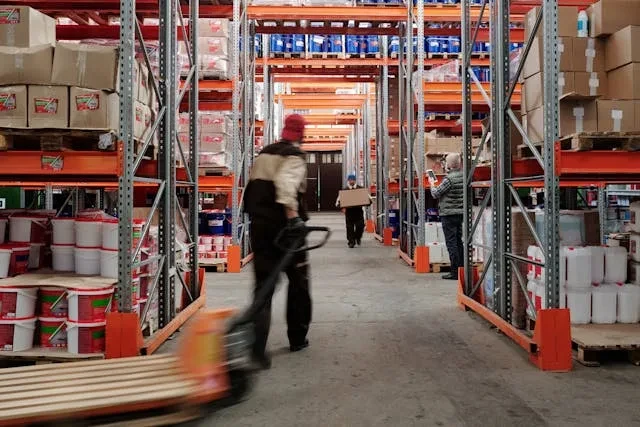
Effective logistics is a crucial ingredient in the success of international trade and port to warehouse trucking service is one of the most important links in the chain. This is a vital logistics solution that closes the distance between seaport and airports and inland warehouses making sure that goods are transported safely, in a timely manner and cost efficiently. Being an importer, exporter, manufacturer, or a retailer, a trusted port to warehouse trucking service that will take this part of the trip can greatly impact your performance in regard to the entire supply chain.
Understanding Port to Warehouse Trucking
Port to warehouse trucking is the transportation of items between a port terminal, that is, delivered by ship or aircraft, to a specific warehouse, distribution centre or manufacturing plant. This is an important step in the logistics process because it dictates how fast and efficiently the products may be transferred in and out of the international trade routes into the domestic distribution networks.
The service typically involves:
- Container drayage (short-distance hauling of containers)
- Cross-docking (direct transfer from inbound to outbound trucks)
- Deconsolidation and sorting (for mixed or bulk shipments)
- Last-mile distribution to retailers or final customers
These activities ensure that products reach storage or production points without unnecessary delays.
Why Port to Warehouse Trucking is Important
The trucking leg between port and warehouse might seem simple, but it plays a pivotal role in maintaining the rhythm of the supply chain. Here’s why it matters:
1. Reduces Port Congestion
Quick movement of goods from the port minimizes container dwell time and prevents congestion. Efficient trucking helps ports maintain flow, improving turnaround times for shipping lines and reducing demurrage costs.
2. Prevents Delays in Distribution
Once goods reach the warehouse on time, they can be quickly processed, stored, or distributed to customers. Any delay in trucking can create a ripple effect across the entire supply chain.
3.Improves Cost Efficiency
Partnering with an experienced trucking provider ensures optimal routing, container utilization, and reduced idle time, saving both time and money.
4.Enhances Visibility and Tracking
Modern trucking services use GPS and digital tracking systems to provide real-time updates, helping businesses maintain better control and transparency over shipments.
5.Ensures Safety and Compliance
Professional international ocean freight forwarder follow strict safety, customs, and documentation protocols, minimizing risks of penalties, damage, or loss.
The Process of Port to Warehouse Trucking
The journey from port to warehouse involves several stages:
1.Container Pickup and Inspection
Once the vessel arrives, containers are unloaded and inspected. The trucking service provider arranges drayage to collect containers within the allowed free time, avoiding demurrage fees.
2. Documentation and Customs Clearance
Before goods leave the port, necessary documentation and customs clearances are completed. Trucking partners often coordinate with customs brokers to streamline this process.
3.Loading and Securing the Cargo
Containers or pallets are loaded onto trucks using appropriate handling equipment. The cargo is secured to prevent damage during transit.
4.Transportation to Warehouse or Distribution Center
The goods are then transported using the most efficient route. Modern logistics systems consider traffic, road conditions, and distance to ensure timely delivery.
5.Unloading and Final Delivery
Upon reaching the warehouse, the cargo is unloaded and checked against documentation. It is then stored, repackaged, or prepared for onward distribution.
Key Benefits of Professional Port to Warehouse Trucking Services
1.Reliability and Timeliness
A trusted service provider ensures consistent, on-time pickups and deliveries, reducing supply chain disruptions.
2.Cost Savings
Through route optimization and container management, logistics partners can minimize unnecessary expenses like demurrage and detention charges.
3.Scalability
Whether you need to move a single container or large volumes of goods, trucking services can scale according to your requirements.
4.Advanced Technology
GPS tracking, electronic documentation, and logistics management software enhance visibility and simplify coordination.
5.Compliance and Safety Standards
Licensed trucking firms adhere to transport regulations, ensuring compliance with environmental, safety, and customs laws.
Choosing the Right Port to Warehouse Trucking Partner
Selecting the right logistics provider is crucial. Here are a few things to consider:
- Experience and Expertise: Choose a provider familiar with port operations, customs processes, and local regulations.
- Fleet Capacity: Ensure they have the right equipment—such as flatbeds, chassis, or reefers—for your cargo type.
- Technology Integration: Look for companies offering digital tools for shipment tracking, e-billing, and real-time communication.
- Safety Record: Verify compliance with safety protocols and insurance coverage.
- Network Reach: A company with a strong network can provide flexible delivery options and faster service.
Working with a reputable logistics company ensures smooth coordination between shipping lines, customs, and warehouse operations.
Challenges in Port to Warehouse Trucking
Despite technological advances, the industry faces several challenges:
1.Port Congestion and Delays
High container volumes can cause bottlenecks, delaying truck pickups and deliveries.
2.Driver Shortages
A global shortage of skilled drivers impacts delivery schedules and increases operational costs.
3.Rising Fuel Costs
Fluctuating fuel prices affect transportation costs, influencing the overall shipping budget.
4.Regulatory Compliance
Constantly evolving transport and customs regulations require service providers to stay updated.
5.Environmental Concerns
The logistics sector is under increasing pressure to reduce emissions and adopt sustainable practices.
Forward-thinking trucking companies are addressing these challenges through electric fleets, better scheduling systems, and eco-friendly practices.
Fina Thoughts
In today’s fast-paced global economy, the efficiency of your port to warehouse trucking service can make or break your supply chain. From minimizing delays and costs to ensuring product safety and compliance, professional full container load shipping (FCL) solutions are essential for maintaining the flow of goods between ports and warehouses.
FAQs
1. What is port to warehouse trucking service?
Port to warehouse trucking service refers to the transportation of goods from a seaport or airport terminal to a designated warehouse, distribution center, or production facility. It forms a critical part of the supply chain, ensuring goods move quickly and safely after customs clearance.
2. Why is port to warehouse trucking important?
It reduces port congestion, avoids demurrage charges, and ensures timely delivery of goods to warehouses or customers. Efficient trucking also maintains the flow of inventory and keeps supply chains running smoothly.
3. What types of cargo are handled in port to warehouse trucking?
Trucking companies handle a wide range of cargo including dry containers, refrigerated goods, oversized equipment, bulk materials, and palletized shipments. The type of vehicle used depends on the nature and size of the cargo.
4. How does container drayage work?
Container drayage involves the short-distance transport of shipping containers from the port to nearby warehouses, rail terminals, or distribution centers. It is a key part of the logistics process, ensuring containers are moved efficiently once unloaded from ships.