
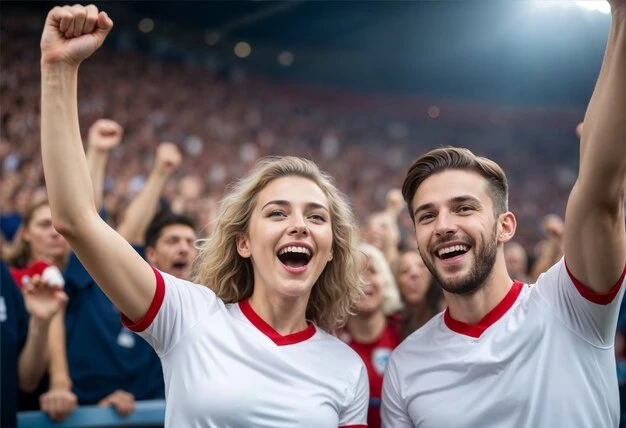
When global tournaments kick off, the uniforms instantly become part of the spectacle. They help fans spot teams in a split second, but they also reflect identity, history, and design trends that travel across continents. From classic layouts to experimental tournament editions, the best looks are the ones that feel unmistakably tied to a nation while still capturing the energy of a world-stage event.
Bold Contrast and Clean Separation
Strong contrast remains one of the most recognizable approaches in international kit design. Designers often rely on sharp dividing lines across the torso or sleeves to keep the look readable on broadcast and striking in photography. This is also where shopping trends spike during big competitions, especially when people shop World Cup soccer jerseys at Fanaacs for standout designs that feel current without losing that match-day authenticity. Contrast can also guide the viewer’s eye toward key areas like the crest placement and sponsor alignment, keeping the overall composition balanced even when the crowd, lighting, and camera movement are chaotic.
Stripes That Stay Timeless
Stripes keep returning because they communicate heritage without needing extra explanation. Vertical lines can feel traditional and formal, while angled or disrupted striping adds urgency and motion. Many modern tournament kits refresh this idea with tonal striping or subtle gradients, creating a familiar silhouette that still feels new for a global event cycle. Designers sometimes vary stripe width to control how “busy” the shirt looks on television, and they often adjust spacing so the pattern stays consistent across sizes, from youth fits to player versions.
Geometric Prints With Tournament Flair
Large competitions encourage bolder pattern work, and geometric prints are a favorite because they can imply speed and intensity. Chevrons, mosaics, and sharp repeating shapes can transform a simple colorway into something memorable, especially when the pattern is tailored to the nation’s visual identity. The most successful versions look energetic up close but still read cleanly from afar. Often, the geometry is engineered to fade at the edges, preventing visual clutter while preserving a strong central impact in broadcast framing.
Minimal Design With High Impact
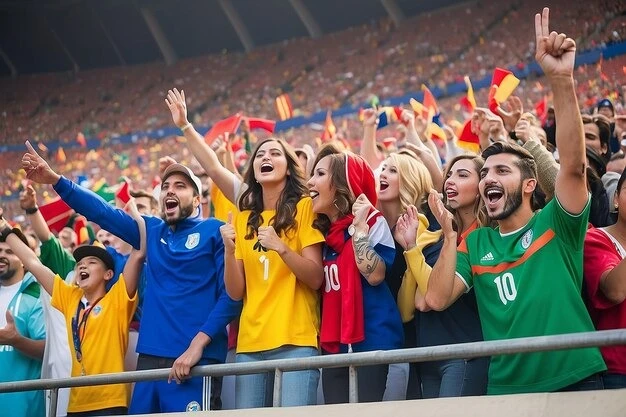
Some teams win attention by doing less. Minimal kits often emphasize perfect balance, clean body panels, restrained trim, and a strong base color that carries the identity. This approach is common in premium releases and also influences off-pitch collections, where national team apparel is expected to look polished enough for everyday wear while still feeling rooted in match tradition. Small elements like a single pinstripe, tonal ribbing, or a carefully chosen neckline can become the “signature” detail, proving that simplicity can still feel special when proportions are handled well.
Creative Sleeve and Shoulder Statements
In many recent global events, sleeves and shoulders have become the main canvas for design experimentation. Contrasting sleeve caps, asymmetric shoulder panels, and edge fades can create a modern silhouette without crowding the front. These placements also work well on camera angles that frequently capture players from the side, making the kit feel dynamic even when the front remains simple. Some designs use sleeve graphics to echo national colors in motion, so the kit feels more expressive during sprints and celebrations without overwhelming the badge area.
Gradient Effects and Color Fades
Gradients have become a signature style in modern tournament kits, often used to suggest movement, atmosphere, or national symbolism. A fade can shift from dark to light across the chest, or softly transition between two shades of the same color for a refined look. When done carefully, gradients feel sophisticated rather than trendy, which is why fans often remember them years later as part of a specific tournament mood. Teams also use gradients to create a subtle “spotlight” effect around the center of the shirt, enhancing visibility of core elements while keeping the edges understated.
Cultural Motifs Woven Into Patterns
Instead of relying on obvious icons, many teams incorporate cultural references through subtle patterning, textile-inspired repeats, regional shapes, or abstracted symbols placed within the fabric design. This creates a deeper connection for supporters and collectors, turning the shirt into more than a uniform and shaping a personal jersey culture story tied to place, pride, and the memories made during major matches. When these motifs are tonal, they reward close viewing, making the shirt feel like a collector's piece that still looks clean in everyday settings.
Typography and Number Styling
The back of a kit can be just as influential as the front. Tournament typography often changes by cycle, and the best type systems feel integrated with the overall design rather than added as an afterthought. Unique number styling, balanced spacing, and cohesive outlines can elevate a kit into something instantly recognizable in highlight reels and photo archives. Some teams choose numerals that mirror local design traditions, while others focus on ultra-legible forms that stay clear in rain, under floodlights, and during fast camera pans.
Alternate Kits and Bold Color Swaps
Second and third kits frequently become the most talked-about designs of global events because they allow nations to experiment beyond their traditional palette. Designers introduce unexpected colors, inverted schemes, or high-contrast accents that stand out in night matches and on social media. These releases also drive collector interest, especially when they end up being worn in a decisive match that cements the design in tournament history as one of the iconic football shirts people keep referencing. Alternate kits can also spark new fan traditions, with supporters adopting the bold version as their personal “lucky” shirt for watch parties and away trips.
Conclusion
Across global soccer events, popular uniform designs keep reinventing how nations present themselves through contrast, stripes, geometry, gradients, and carefully placed details that read well at speed. The most memorable kits blend clarity with creativity, giving fans something they can recognize instantly and remember long after the tournament ends. As design tools evolve and audiences become more style-aware, the next generation of tournament kits will keep pushing boundaries while still honoring the identities that make international soccer so powerful.