Swimming pools are a long-term investment that requires proper care to remain functional and visually appealing. One of the most important components of any concrete or gunite pool is the pool plaster. It serves as the final interior layer that protects the pool structure while giving it a smooth and attractive finish.
This detailed guide covers everything you need to know about pool plaster, including its purpose, types, installation process, and maintenance tips.
What Is Pool Plaster?
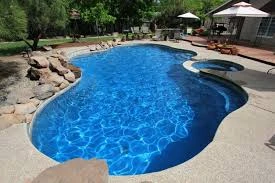
Pool plaster is a specialized coating applied to the interior surface of a swimming pool. It is typically made from a mixture of white cement, sand, and water. This layer acts as a waterproof barrier that protects the underlying concrete shell from damage caused by water and pool chemicals.
In addition to protection, pool plaster provides a smooth surface for swimmers and enhances the overall appearance of the pool.
Why Pool Plaster Is Important
Pool plaster plays a critical role in maintaining the durability and performance of a swimming pool. Without a proper plaster layer, the pool structure can become vulnerable to cracks, leaks, and long-term deterioration.
Here are some key reasons why pool plaster is essential:
- Protects the pool shell from water damage
- Prevents leaks and structural issues
- Creates a smooth and comfortable swimming surface
- Enhances the visual appeal of the pool
- Improves overall pool longevity
Types of Pool Plaster Finishes
There are several types of pool plaster finishes available, each offering different benefits in terms of durability, appearance, and cost.
1. Traditional White Plaster
This is the most common and cost-effective option. It provides a clean, classic look with a smooth texture. However, it may require replacement after 10–15 years, depending on maintenance.
2. Quartz Plaster
Quartz finishes combine plaster with crushed quartz aggregate, making them more durable and resistant to stains and chemical damage. They also add a subtle sparkle to the pool surface.
3. Pebble Finish
Pebble finishes include small natural stones mixed into the plaster. They are highly durable and create a textured, natural look. This option is often used in high-end or luxury pools.
4. Polished Aggregate Finish
This type of finish uses a blend of aggregates that are polished to create a smooth yet decorative surface. It offers both durability and a modern appearance.
Signs Your Pool Needs Replastering
Pool plaster does not last forever. Over time, it can wear down due to exposure to chemicals, sunlight, and regular use. Recognizing early signs of damage can help prevent costly repairs.
Common signs include:
- Rough or abrasive pool surface
- Cracks or chips in the plaster
- Discoloration or stains
- Peeling or flaking plaster
- Water leaks or structural concerns
If you notice these issues, it may be time to consider replastering your pool.
The Pool Plastering Process
The pool plastering process involves several steps to ensure a durable and long-lasting finish.
Step 1: Draining the Pool
The pool is completely drained to allow access to the interior surface.
Step 2: Surface Preparation
Old plaster is removed, and the pool shell is cleaned and inspected for damage.
Step 3: Repairs
Any cracks or structural issues are repaired before applying new plaster.
Step 4: Applying New Plaster
A fresh layer of plaster is evenly applied to the pool surface using specialized tools.
Step 5: Curing and Refilling
Once the plaster is applied, the pool is refilled with water, and the curing process begins. Proper chemical balancing is essential during this stage.
How Long Does Pool Plaster Last?
The lifespan of pool plaster depends on several factors, including maintenance, water chemistry, and usage. On average:
- Standard plaster lasts 10–15 years
- Quartz finishes last 12–20 years
- Pebble finishes can last 15–25 years or more
Regular maintenance can significantly extend the life of your pool plaster.
Benefits of Pool Plastering
Investing in new pool plaster offers several advantages:
- Restores the pool’s smooth and attractive finish
- Improves swimmer comfort and safety
- Prevents leaks and structural damage
- Enhances water clarity and color
- Increases property value
A newly plastered pool can completely transform the look and feel of your outdoor space.
Maintenance Tips for Pool Plaster
Proper maintenance is essential to keep pool plaster in good condition and extend its lifespan.
Here are some important tips:
- Maintain balanced water chemistry
- Brush the pool surface regularly
- Clean tiles and remove calcium buildup
- Avoid using harsh cleaning tools
- Schedule routine inspections
Consistent care helps prevent premature wear and keeps the pool looking new.
Cost of Pool Plastering
The cost of pool plastering can vary depending on factors such as pool size, material type, and labor. Basic plastering is generally more affordable, while premium finishes like pebble or polished aggregate may cost more.
Although replastering requires an upfront investment, it helps prevent costly repairs in the future.
Conclusion
Pool plaster is a vital component of any swimming pool, providing protection, durability, and visual appeal. Understanding the different types of plaster finishes, the replastering process, and maintenance requirements can help pool owners make informed decisions.
By investing in high-quality pool plaster and proper maintenance, you can extend the life of your pool and enjoy a clean, smooth, and beautiful swimming environment for many years.