Selecting the right fabrication partner is one of the most important decisions in any construction or industrial project. The quality of fabricated metal directly affects strength, safety, timelines, and long-term performance. Yet, many project delays and cost overruns begin with a poor choice at this stage, especially when working within competitive markets like metal fabrication Dubai. Whether the project is commercial, industrial, or infrastructure-driven, choosing wisely can make the difference between smooth execution and constant challenges.
This blog walks through the key points to consider while choosing a fabrication partner, helping decision-makers evaluate options with clarity and confidence.
Understand the Scope of Your Project
Before evaluating any fabrication company, it is essential to clearly understand your own project requirements. Different projects demand different levels of complexity, precision, and capacity.
A warehouse structure may prioritize large spans and speed, while an industrial plant may require high load-bearing accuracy and strict tolerances. Defining scope early helps ensure that the fabricator you choose has relevant experience and capabilities, rather than just general expertise.
Experience That Matches Your Needs
Not all fabrication experience is equal. A strong track record in similar projects indicates an understanding of real-world challenges and practical solutions.
Look beyond years in business and focus on the type of work handled. Experience in metal fabrication Dubai projects across commercial and industrial sectors often reflects familiarity with local standards, timelines, and environmental conditions. This alignment reduces risk and improves coordination during execution.
Technical Capability and Infrastructure
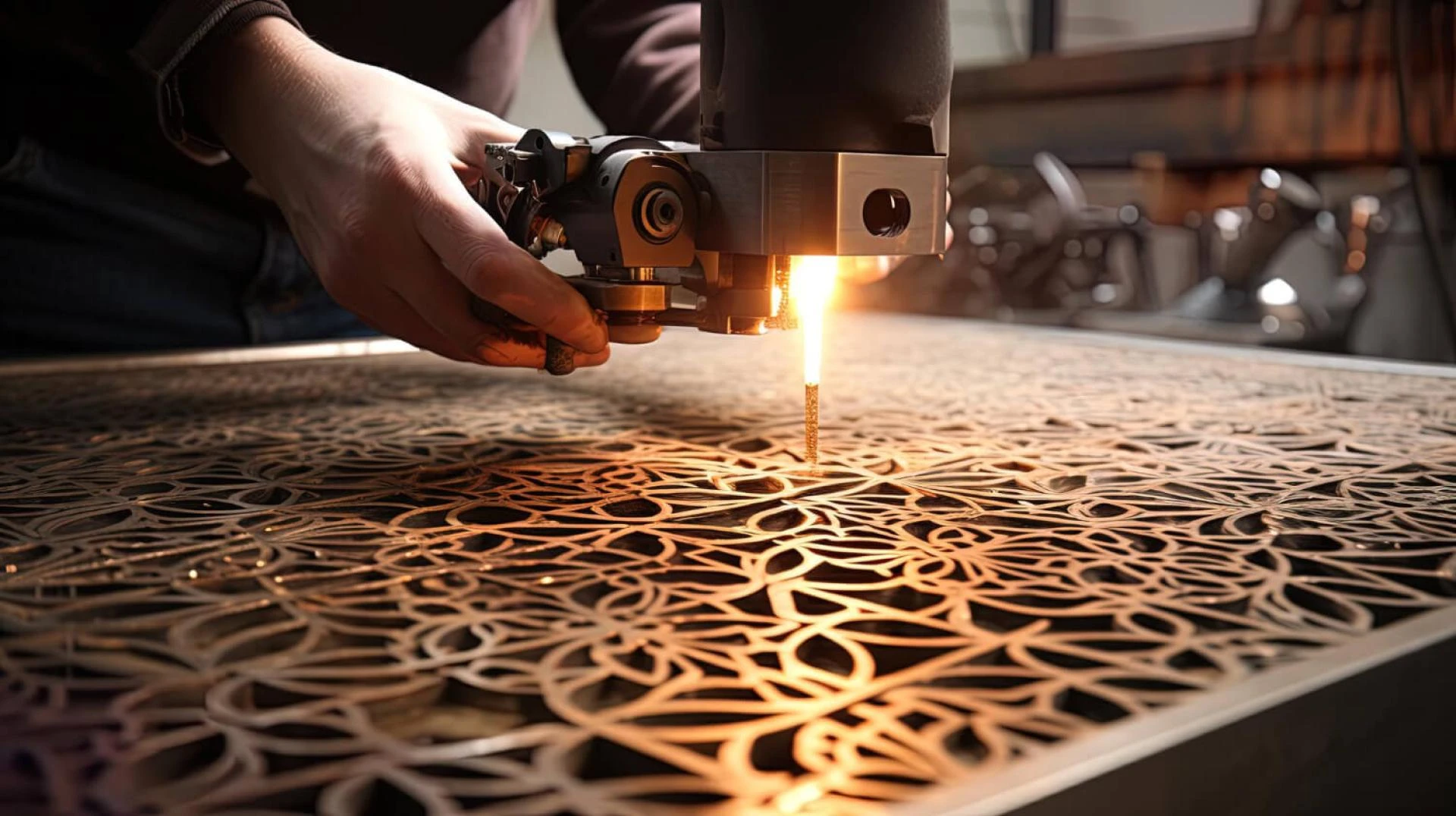
A reliable fabrication partner must have the right tools, technology, and facilities to deliver consistent results. Modern fabrication relies heavily on precision equipment, digital modeling, and controlled production environments.
Advanced machinery improves accuracy, while proper infrastructure ensures capacity to handle large or complex orders without compromising quality. A well-equipped facility also signals readiness to scale with your project if requirements change.
Quality Control Practices
Quality is not just about the final product; it is about the process behind it. Strong quality control systems ensure that errors are identified early rather than on-site, where corrections are costly and time-consuming.
Ask about inspection procedures, testing methods, and documentation practices. A fabricator with structured quality checks demonstrates accountability and a commitment to long-term performance, not just short-term delivery.
Compliance with Standards and Regulations
Construction projects operate within strict regulatory frameworks. Fabrication must meet both local and international standards related to safety, materials, and workmanship.
Choosing a partner familiar with compliance requirements reduces the risk of approvals being delayed or rejected. It also ensures that fabricated components integrate smoothly with other construction elements, avoiding rework or redesign.
Ability to Meet Timelines
In fast-paced construction environments, timelines matter as much as quality. Delays in fabrication can stall entire projects, affecting multiple stakeholders.
Assess the fabricator’s production capacity, planning approach, and delivery track record. Clear scheduling, realistic commitments, and transparent communication are indicators of a partner who respects project timelines.
Coordination and Communication
Fabrication is rarely an isolated task. It requires constant coordination with engineers, contractors, and site teams. Clear communication ensures that designs are interpreted correctly and adjustments are handled efficiently.
A responsive fabrication partner helps resolve issues before they escalate. This collaborative approach reduces friction and supports smoother project execution from start to finish.
Customization and Flexibility
Every project has unique requirements. A good fabrication partner should offer flexibility in design, production, and delivery.
The ability to adapt to design changes, phased delivery schedules, or future expansions adds long-term value. This is especially important for projects expected to evolve over time, such as industrial facilities or commercial developments.
Skilled Workforce and Expertise
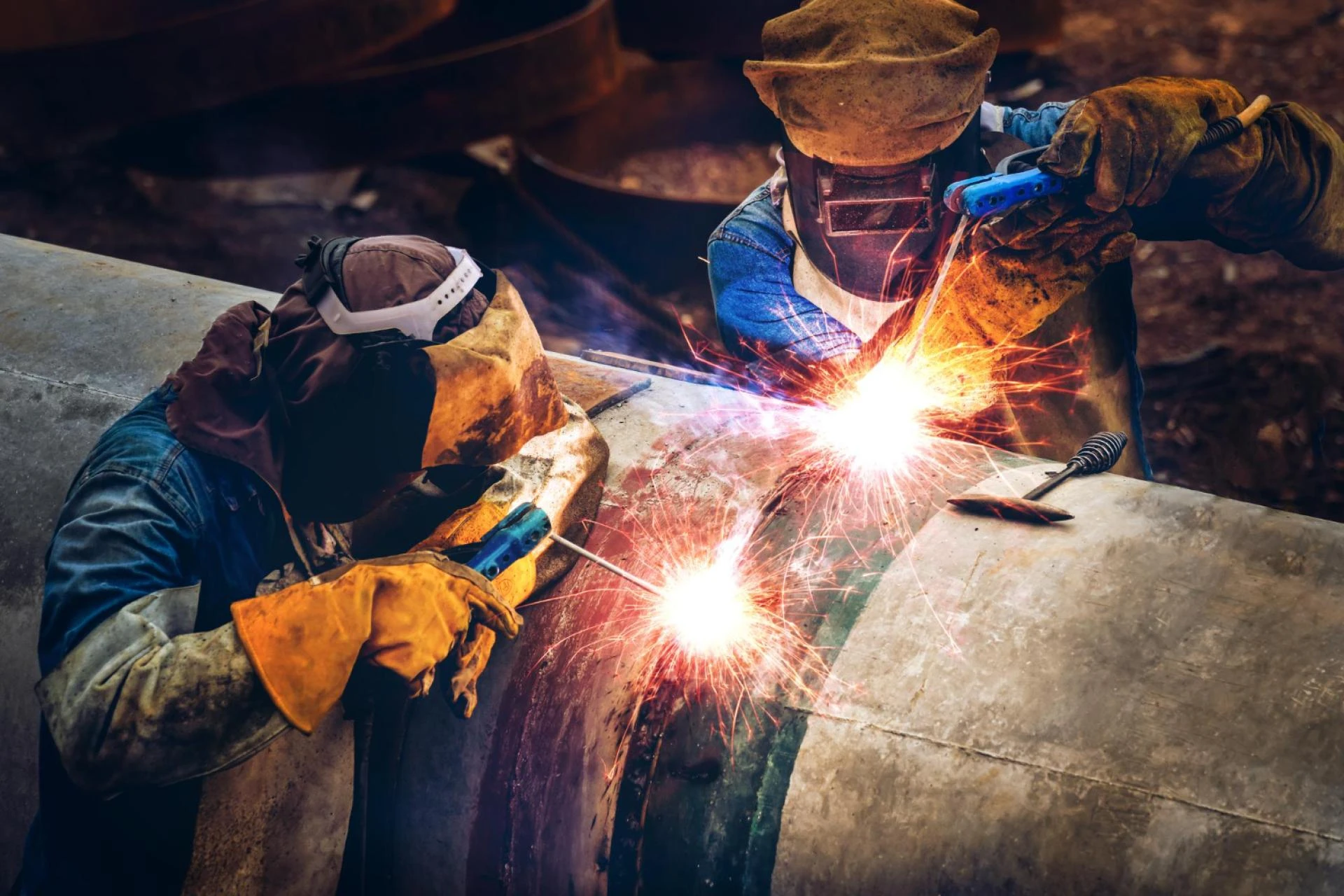
Behind every successful fabrication process is a skilled team. Engineers, technicians, and supervisors play a critical role in translating designs into precise components.
Experienced structural steel fabricators bring both technical knowledge and practical insight. Their expertise ensures that complex elements are fabricated accurately and perform as intended once installed.
Safety and Work Practices
Safety is a reflection of professionalism. A fabrication partner that prioritizes safety demonstrates discipline, organization, and care for both people and projects.
Strong safety practices reduce the likelihood of accidents, production delays, and reputational risks. They also indicate a culture that values responsibility and long-term partnerships.
Cost Transparency and Value
While cost is an important factor, it should not be the sole deciding point. Extremely low quotes often hide compromises in quality, materials, or timelines.
Look for transparency in pricing and a clear explanation of what is included. The best value comes from a balance of cost, quality, reliability, and service not from cutting corners.
Past Projects and Reputation
Reputation is built over time through consistent delivery. Reviewing past projects, client feedback, and industry presence provides insight into how a fabrication partner operates under real conditions.
A strong reputation often reflects reliability, ethical practices, and the ability to handle challenges without compromising outcomes.
Long-Term Partnership Potential
Fabrication is not always a one-time requirement. Many projects evolve, expand, or require ongoing support. Choosing a partner capable of long-term collaboration adds continuity and reduces future onboarding efforts.
A fabricator who understands your standards and expectations becomes an extension of your project team rather than just a supplier.
Making an Informed Choice
Choosing the right fabrication partner is a strategic decision. It affects not only construction outcomes but also operational performance and future adaptability. By evaluating experience, capability, communication, and values, project leaders can make informed choices that support both immediate and long-term goals.
Conclusion
The right fabrication partner brings more than metal and machinery; they bring reliability, expertise, and confidence to your project. Careful evaluation ensures that structures are built to perform, adapt, and last. Working with experienced structural steel fabricators also supports smoother coordination across design, production, and installation stages, reducing risk and ensuring that every component contributes to a structure built for long-term success. For those seeking a benchmark of quality and professionalism in this space, Biston Steel Manufacturing reflects the standards that experienced project teams value when selecting a fabrication partner.