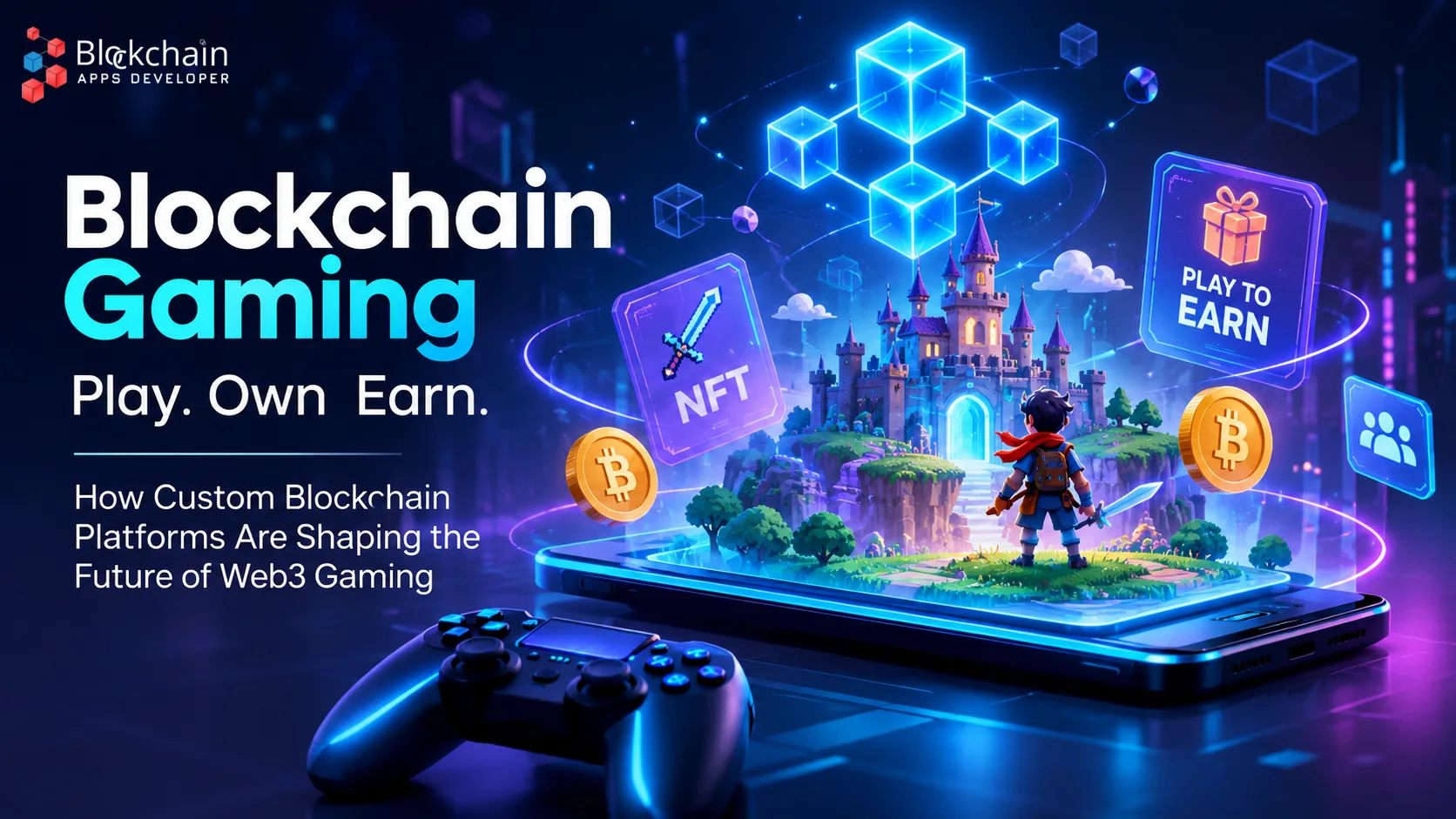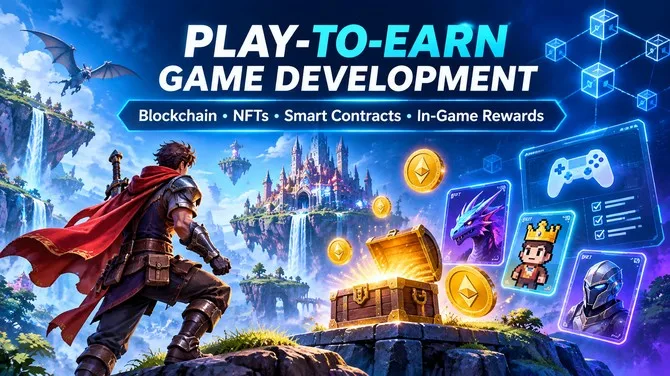
The gaming industry is continually evolving as developers explore new technologies and ways to connect with players. Blockchain technology has introduced another approach to gaming by enabling digital asset ownership, token-based rewards, and decentralized marketplace features.
This has led to growing interest in Play-to-Earn (P2E) game development, a model that combines interactive gameplay with blockchain-based digital assets and reward mechanisms.
For businesses planning to enter the blockchain gaming market, understanding the development process, essential features, and economic considerations is an important first step.
What Is Play-to-Earn Game Development?
Play-to-Earn game development involves creating games that may allow players to earn digital tokens or blockchain-based assets through eligible gameplay activities.
Depending on the game design, players may complete missions, participate in tournaments, collect NFTs, unlock achievements, or trade supported digital items.
A well-designed P2E game should offer enjoyable gameplay and meaningful progression. Rewards should complement the experience rather than become the only reason to play.
Essential Features of a Play-to-Earn Gaming Platform
1. Interactive Gameplay and Progression
Gameplay is the foundation of every successful game. Missions, levels, quests, challenges, multiplayer battles, and achievements can help keep players engaged.
The reward system should be connected to clear gameplay objectives and fair progression rules.
2. Blockchain-Based Digital Assets
Blockchain integration can support digital asset ownership and transaction records. Depending on the game, assets may include characters, collectibles, equipment, virtual land, or other in-game items.
Businesses should define which assets are transferable and explain any restrictions to players.
3. NFT Minting and Marketplace
NFT functionality can allow users to create, collect, and trade supported digital assets.
A marketplace may include:
- NFT listings and descriptions
- Collection pages
- Buying and selling functionality
- Transaction history
- Creator profiles
- Marketplace fees and trading rules
4. Smart Contract Integration
Smart contracts can automate selected blockchain activities, such as NFT minting, token transfers, and marketplace transactions.
Contract logic should be tested thoroughly, with appropriate security reviews before deployment.
5. Cryptocurrency Wallet Integration
Wallet connectivity allows users to interact with blockchain features and manage supported digital assets.
A user-friendly wallet experience should explain transaction approvals, network fees, and the importance of protecting recovery phrases and private keys.
6. Reward and Token Systems
Token systems can support game rewards, purchases, marketplace activities, and selected platform functions.
A sustainable token model should consider reward distribution, token utility, supply, demand, and the possibility of changing market conditions.
7. Anti-Cheat and Fraud Prevention
Reward-based games may attract bots, automated accounts, and attempts to manipulate gameplay or transactions.
Potential safeguards include server-side validation, rate limits, suspicious-activity monitoring, anti-cheat systems, and transaction checks.
Types of Play-to-Earn Games
NFT Collectible Games
Players collect and upgrade digital characters, cards, or other collectible items.
Role-Playing and Strategy Games
Players explore virtual worlds, complete missions, build teams, and participate in battles.
Sports and Fantasy Games
Players manage virtual teams, collect digital cards, and participate in competitions based on the platform's rules.
Racing and Simulation Games
Players compete in races, unlock achievements, and progress through game environments.
Move-to-Earn Applications
Some platforms connect physical activities such as walking or running with digital rewards. Activity verification, user privacy, and fair reward calculations are important considerations.
The Play-to-Earn Game Development Process
Step 1: Define the Game Concept
Identify the target audience, game genre, core gameplay loop, supported platforms, and reason for using blockchain technology.
Step 2: Plan the Game Economy
Define token utility, reward distribution, NFT use cases, marketplace rules, and how players progress through the game.
Avoid relying solely on new users purchasing tokens to fund existing rewards.
Step 3: Choose the Blockchain
Evaluate transaction costs, performance, wallet support, ecosystem tools, and technical requirements before selecting a blockchain network.
Step 4: Develop the Game and Blockchain Features
Build the gameplay, user interface, backend, wallet connectivity, NFT functionality, and smart contracts required by the project.
Step 5: Test the Platform
Perform gameplay testing, compatibility checks, performance testing, wallet transaction testing, and security reviews.
Step 6: Launch and Improve
After deployment, monitor player feedback, platform performance, reward activity, and technical issues. Regular updates can help improve the game experience.
Business Models for P2E Games
A Play-to-Earn game may use several revenue approaches:
- In-game purchases for optional items or upgrades
- Marketplace commissions on eligible transactions
- Premium subscriptions or memberships
- Advertising and sponsored activities
- Partnerships with brands or gaming communities
- Licensing of game technology or assets
The best model depends on the game, audience, and platform strategy. Digital token values can fluctuate, and rewards should never be presented as guaranteed income.
Play-to-Earn Game Development Services by Clarisco
Clarisco provides Play-to-Earn game development services covering blockchain integration, NFT ownership, smart contracts, in-game payments, reward features, and fraud prevention.
Businesses exploring a P2E project can review the service page to understand the available development capabilities and discuss requirements such as gameplay design, blockchain selection, wallet integration, security, and post-launch support.
Explore the service:
https://www.clarisco.com/play-to-earn-game-development
Conclusion
Play-to-Earn game development combines interactive entertainment with blockchain-based digital assets and reward systems. However, technology alone does not create a successful game.
Strong gameplay, transparent reward rules, responsible economic design, secure blockchain integration, and ongoing player support are all important.
Businesses should define their goals and technical requirements carefully before beginning development. A well-planned P2E platform can create a more engaging experience for players while supporting a clear business strategy.
Frequently Asked Questions
1. What is a Play-to-Earn game?
A Play-to-Earn game is a game that may reward players with digital tokens or blockchain-based assets for completing eligible activities.
2. What is P2E game development?
P2E game development is the process of building games that combine gameplay systems with blockchain integration, digital assets, wallets, and reward mechanisms.
3. What features should a P2E game include?
Common features include engaging gameplay, token rewards, NFT assets, wallet integration, smart contracts, marketplaces, user dashboards, and anti-cheat systems.
4. Which technologies are used for P2E game development?
Depending on the project, developers may use Unity or Unreal Engine, blockchain networks, smart contracts, NFT standards, wallet APIs, and backend technologies.
5. Can players earn money from Play-to-Earn games?
Some games allow eligible tokens or digital assets to be traded. Their value may fluctuate, and players are not guaranteed to earn money.
6. Why are smart contracts important in P2E games?
Smart contracts can automate selected blockchain transactions, including NFT transfers, marketplace activities, and token distribution.
7. How much does P2E game development cost?
The cost depends on gameplay complexity, graphics, supported platforms, blockchain integration, multiplayer functionality, smart contract requirements, and security testing.
8. How do I choose a Play-to-Earn game development company?
Review the company's portfolio, game development experience, blockchain expertise, security practices, communication process, project scope, and post-launch support.
9. Is NFT marketplace integration necessary for every P2E game?
No. NFT marketplace functionality is optional and should be included only when it supports the game's concept and business model.
10. What should businesses consider before launching a P2E game?
Businesses should evaluate gameplay quality, token economics, user experience, blockchain fees, security, applicable regulations, and long-term maintenance.