What Are They?
Plant-based protein powders are dietary supplements made from plant ingredients such as peas, brown rice, soy, hemp, pumpkin seed, chia and more. Genetic Nutrition+3Nutrabay+3Nutrabay+3 Unlike animal-based powders (like whey or casein), these are dairy-free, often vegan, and designed to supply protein from non-animal sources.
Why They’re Gaining Popularity
- Because they’re lactose-free and free of many common dairy allergens, they’re a go-to for those with dairy intolerance or those following a plant/vegan diet. Outlook India+1
- They tend to include additional nutrients: fibre, phytonutrients, vitamins & minerals (depending on source) which you don’t always get with pure whey. urjiva.com+1
- Environment & sustainability: Plant-based production typically uses less land, less water, fewer resources versus animal-based proteins. IMMUNOSCIENCES+1
Key Benefits of Plant Protein Powders
- Digestive-friendly: Many users report less bloating or stomach upset with plant proteins compared to dairy ones. Netmeds+1
- Heart health & lower saturated fat: Plant proteins often contain less saturated fat and no cholesterol compared with some animal-derived proteins. Dr Vaidya's
- Weight/Body composition support: Thanks to added fibre, slower digestion and satiety, plant protein powders can aid fullness, help regulate appetite, which is useful in weight-management or muscle building contexts. fastandup.in+1
- Nutrient boost: Depending on the blend, you might also get minerals (iron, zinc, magnesium) or healthy fatty acids (like hemp seed-based ones). Nutrabay+1
Considerations & How They Compare with Animal-Based Proteins
Amino Acid Profile & Bioavailability
- Many single-source plant proteins may lack one or more essential amino acids (making them “incomplete”) unless blended. For example, brown rice protein is low in lysine.
- That said, modern blends (pea + rice, etc) can produce a more complete amino profile and some studies suggest they approach the muscle-building potential of whey when dosed properly.
- Texture & mixing: Some plant powders may have different mouthfeel, texture or mixability compared to whey. (See anecdotal feedback.)
Quality & Safety
- Be mindful: Some plant protein powders have been flagged for heavy-metal contamination or other impurities. For example, recent reports found elevated lead in some plant-based powders.
- Label reading is key: check for certifications, ingredient list (what protein source, any blends), sugar/additive content.
Cost & Dose Considerations
- Because of lower single-source yield or required blending, some plant-based powders may cost more per gram of usable protein.
- You might need a slightly higher dose or a well-designed blend to match the performance of a high-quality animal-derived protein (depending on your goals).
How to Choose & Use a Plant Protein Powder
6
Selection Tips
- Protein source(s): Prefer blends (e.g., pea + rice) for more complete amino acid coverage.
- Check certifications: Look for third-party testing, heavy-metal screening, clean ingredients.
- Minimal added sugar / sweeteners: Some powders load flavour with sugar.
- Mixability & taste: If you’ll use daily, you’ll want one you like. Some plant powders have a grainy texture or stronger flavour.
- Allergy profile: Ensure it fits your dietary needs (vegan/vegetarian, gluten-free, soy-free if needed).
Timing & Use
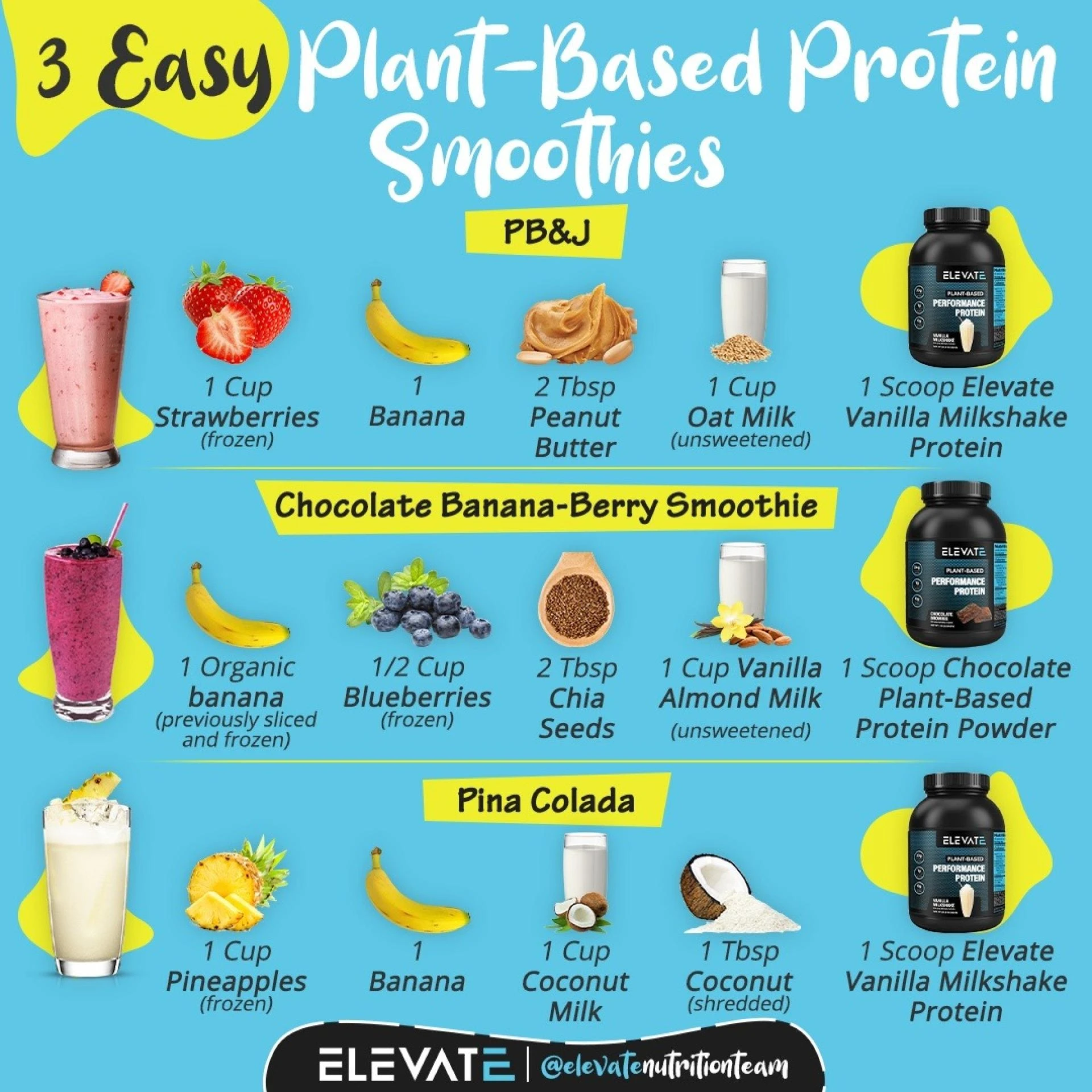
- Post-workout: use in a shake with liquid + fruit to support recovery.
- Add to breakfast: mix into oatmeal, porridge, pancakes for added protein.
- Between meals: use as snack replacement to support satiety and muscle maintenance.
- Consistency matters: daily protein intake spread across meals + proper resistance training yields the best results.
Suggested dose
- General guideline: aim for ~20–30 g of protein per serving (check label) or align with your total daily requirement (often ~1.6–2.2 g protein per kg body-weight for muscle gain).
- If using plant protein, ensure the overall diet supplies the complementary amino acids.
Final Thoughts
Plant-based protein powders are a viable, flexible, and increasingly popular option — especially for those avoiding dairy, following a vegan/vegetarian diet, or seeking a gentler digestible alternative. When chosen wisely (quality source, good blend, minimal additives) and combined with good training + nutrition habits, they can support muscle growth, recovery, overall health and sustainability.
That said, they’re not magical. They work best as part of a well-rounded diet. Make sure you’re also hitting your overall protein target, getting variety in whole-food protein sources, training consistently, and being mindful of product quality.
If you like, I can pull together a comparison chart of top plant-protein powders available in India (features, protein per dose, cost, user ratings) + images. Would you like that?