
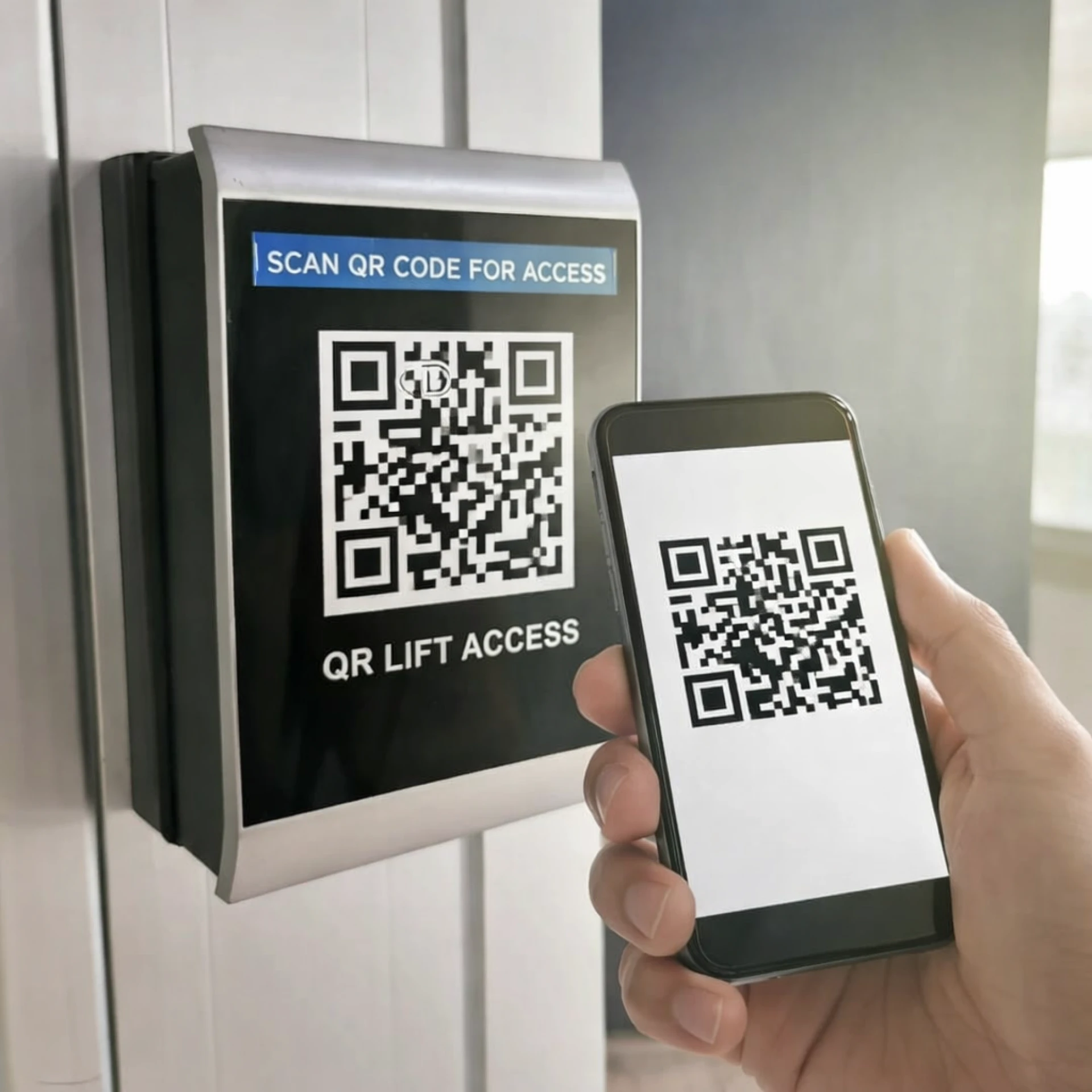
Large-scale business properties such as IT parks, corporate campuses, mixed-use towers, and business hubs are facing unique security and operational challenges. Hundreds or thousands of people entering and leaving a building each day have to move vertically, so vertical flow regulation is one of the key concerns, along with building entrances. Lift access control planning is a crucial component to consider in developing a safe, efficient, and future-focused commercial building.
Why Lift Access Control Is Essential in Large Developments
Lifts that work as quick movable links between public areas, semi-restricted areas, and highly restricted areas are found in high-occupancy commercial buildings. Without planning, unauthorized persons can easily access the office premises by entering the lift rooms and get into office floors, data centres, or managerial premises. To avoid this, lift access control can be used; only authorized users will access particular floors, enhancing the building’s security system.
Audit Trails, Data, and Monitoring
Visibility is important in big business developments. Lift access systems provide helpful data about movement trends, access attempts, and peak hours. This information will assist in security audits, incident investigation, and operational optimisation. Combined with building management systems, it offers practical feedback to facility managers.
Getting to Know Occupant Flow and Usage Patterns
The first step to proper planning is to know the traffic flow within the building. Big building projects usually have large human populations comprising personnel of employees, visitors, vending personnel, maintenance personnel, and security personnel. There are various access requirements and time utilization for each group. Peak-hour mapping, visitor traffic, and restricted areas will enable planners to make lift access rules that must carefully balance the need to maintain security and ensure seamless daily operations.
Regulatory Requirement and Compliance
Commercial buildings in India have to comply with safety regulations, fire laws, and access regulations. Planning of lift access must also adhere to emergency procedures; in case of fire alarms or evacuations, it can be overridden automatically. First responders should be capable of accessing vital levels promptly. Conformity at the planning level prevents late adjustment at high costs.
Floor-Level Access Planning and Zoning
Commercial buildings are generally designed in accordance with zoning principles, with floors split into public, tenant-specific, and restrictive zones. These zones should align with lift access planning. For example, accessibility can be restricted to visitors on the reception and meeting levels, but the employees can enter their designated office levels. All executive areas, server rooms, or research facilities may demand a higher level of authentication. Efficient zoning of access to the lifts does not limit business to a bottleneck.
Promoting Operational Efficiency
Security must not be at the expense of productivity. People will have to wait more during busy hours if there is an improper lift access facility. It can result in overcrowding and customer dissatisfaction. The following are some of the features incorporated into smart planning: destination control systems, time-based access control, and group permissions.
Addressing Multi-Tenant Challenges
Large business properties can easily have different tenants with various security arrangements. Planning should be done in a manner that enables it to be configured flexibly to ensure that each tenant can determine the access rights to be granted to their employees without interfering with other tenants. A centrally controlled, though adjustable access control system for lift allows building owners to retain general control over the building and to grant tenants the freedom they need.
Integration with Broader Security Infrastructure
The lift access control can never be considered a separate system. It is effective when it combines with entry gates, turnstiles, visitor management platforms, and surveillance systems. Lift permissions can be defined based on credentials used at the building entrance. This consistency reduces security risks and simplifies things, especially in properties with lots of different businesses renting space.
Future-Proofing the System
Commercial buildings are long-term investments. Going forward, keep an eye on smart buildings, IoT integration, and using phones for access control. Software upgrades and new credential type systems provide longevity and flexibility, minimizing the necessity of total replacements.
Selecting the Right Technology Mix
The lift access solution today accepts many authentication systems, including access cards, biometrics, mobile credentials, and QR codes. Preferences are based on the building’s security needs, the number of users, and the budget available. Scalable solutions capable of supporting thousands of users without compromising performance are required in large developments. And the planning should involve future expansion, and the system should be capable of expansion with more tenants.
Final Thoughts
Lift access control planning of large-scale commercial developments needs to be strategic and combined. Occupant behaviour can help developers to develop buildings that become secure, efficient, and scalable through awareness of zoning concepts, integration with other security systems, and scalability. Lift access control, properly designed, not only prevents property destruction and human lives but also helps with effective day-to-day work in multifaceted business premises.