A holiday in the Andaman Islands can be much more than relaxing on beautiful beaches. Beyond the white sand and turquoise coastline, the islands offer opportunities to discover an extraordinary underwater environment. From colourful coral formations to schools of tropical fish, the marine world provides a memorable experience for travellers looking for something different.
Scuba diving is one of the most exciting ways to explore this side of the islands. Whether someone is trying it for the first time or already has diving experience, a little preparation can help make the adventure more enjoyable.
Why Include Scuba Diving in Your Andaman Itinerary?
The Andaman Islands are known for their natural beauty, but their underwater environment is equally fascinating. Divers can experience a different perspective of the destination by exploring marine habitats beneath the surface.
Havelock Island, also known as Swaraj Dweep, is a popular choice among visitors interested in underwater activities. Its coastal setting and access to diving locations make it an attractive destination for adventure travellers.
Those researching Scuba diving in Andaman can explore available experiences and consider how diving might fit into their island itinerary.
Havelock Island: A Destination for Underwater Exploration
Havelock offers a relaxed island atmosphere alongside opportunities for water-based adventures. Travellers often include activities such as snorkelling, boat excursions, and scuba diving in their holiday plans.
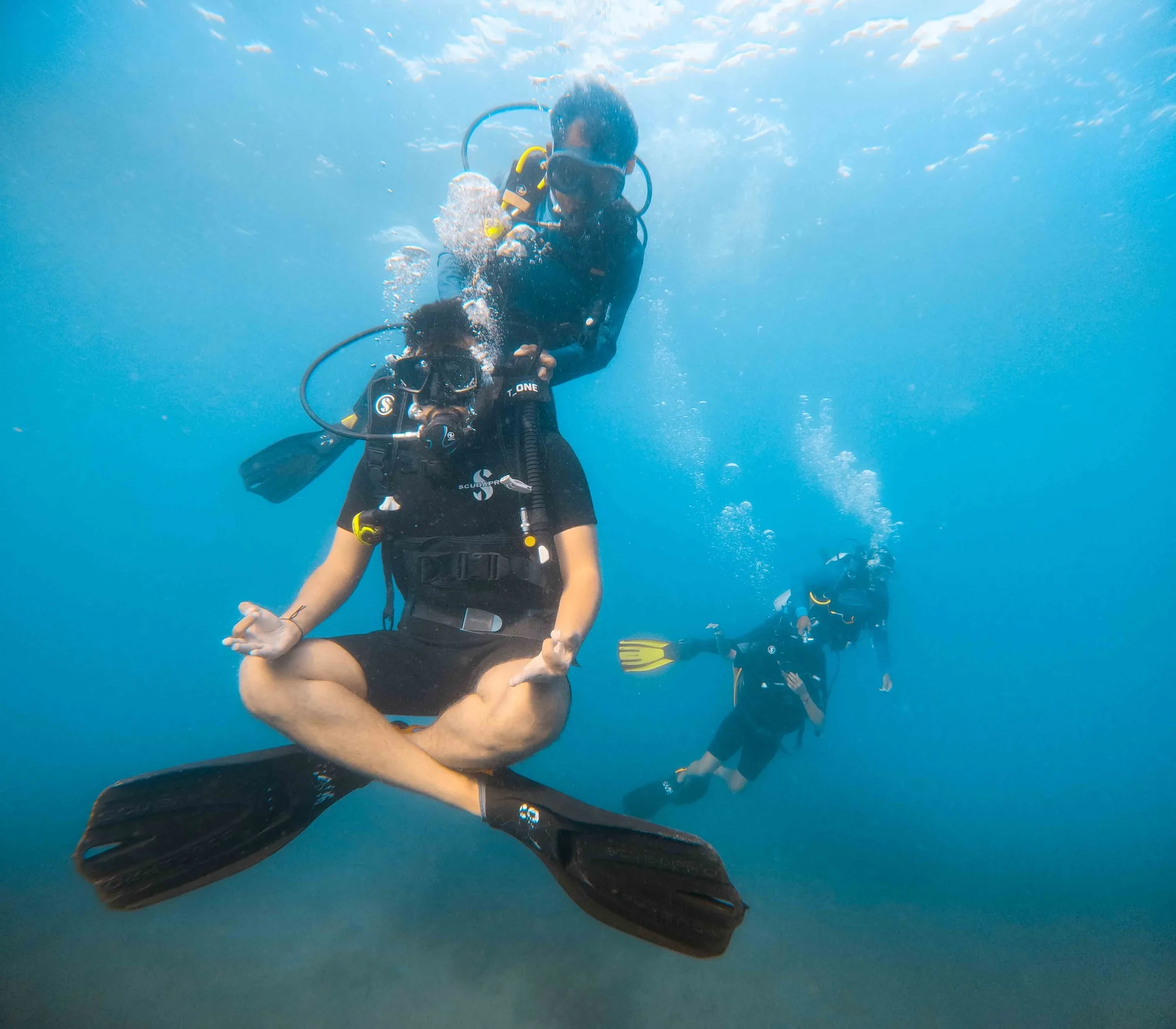
For visitors who want to experience the underwater world more closely, scuba diving provides an opportunity to observe marine life from a different perspective. The actual underwater experience depends on the selected dive location, weather, visibility, and sea conditions.
Planning Scuba diving in Havelock in advance can help travellers understand the available options and choose an activity that suits their experience level.
How to Prepare for Your First Scuba Diving Experience
First-time divers may feel uncertain about using scuba equipment or breathing underwater. However, introductory diving experiences generally include guidance from an instructor before participants enter the water.
A few preparation tips can make the experience more comfortable:
- Understand the briefing: Listen carefully to instructions about breathing, equipment, and underwater signals.
- Communicate honestly: Tell the instructor about your swimming ability, comfort in water, and any relevant health concerns.
- Choose a suitable activity: Select an introductory experience or certified course according to your goals.
- Avoid rushing: Allow enough time for the briefing and activity.
- Follow safety instructions: Never ignore the guidance of your dive professional.
Swimming ability, medical fitness, and participation requirements can vary between diving programmes and operators. Confirm these details before booking.
Introductory Diving or Professional Certification?
Travellers generally have different expectations from a diving holiday. Some simply want to experience breathing underwater under professional supervision, while others want to develop the skills needed for certified recreational diving.
An introductory experience is designed for people who want to try scuba diving without first completing a certification course. A certification programme involves structured learning, practical training, and assessments.
Choosing between the two depends on available holiday time, personal interests, and future diving plans. Travellers should check the programme details and certification agency before enrolling.
Responsible Diving: Respect the Underwater Environment
The beauty of the Andaman Islands depends on protecting their natural environment. Coral reefs provide habitats for marine organisms, and even accidental contact can cause damage.
Responsible divers should maintain good buoyancy, avoid touching corals, keep a respectful distance from marine animals, and never remove natural objects from the seabed.
Following local environmental guidelines and listening to instructors helps protect marine habitats for future visitors.
Plan Your Diving Adventure Carefully
A successful diving holiday starts with realistic planning. Check weather conditions, activity availability, travel connections, and the time required for your chosen experience. It is also important to follow professional guidance about post-dive activities, especially flying after scuba diving.
Experience Scuba Andaman is one option travellers can explore when researching diving activities in the region. Comparing programme details, safety arrangements, and participant requirements can help visitors make an informed decision.
The Andaman Islands offer a wonderful combination of island scenery and underwater exploration. With thoughtful preparation and responsible choices, scuba diving can become a highlight of a memorable island holiday.
Frequently Asked Questions
1. Is scuba diving worth trying during an Andaman holiday?
For travellers interested in marine life and adventure activities, scuba diving can be a memorable addition to an Andaman itinerary.
2. Is Havelock Island suitable for first-time divers?
Introductory diving experiences are available in the region. Suitability depends on the programme, operator requirements, health considerations, and sea conditions.
3. Do beginners need certification to try scuba diving?
An introductory dive generally does not require prior certification. Certified recreational diving requires the appropriate qualification and experience.
4. What should I carry for a diving activity?
Follow the operator's instructions. Comfortable clothing, suitable swimwear, and personal essentials may be useful. Diving equipment is generally arranged as part of the activity, but confirm this before booking.
5. How can divers protect marine life?
Avoid touching coral, maintain distance from marine animals, do not collect underwater objects, and follow responsible diving practices.
Final Thought
A trip to the Andaman Islands becomes even more interesting when travellers take time to explore its underwater environment. By choosing an appropriate diving experience and respecting marine life, visitors can enjoy an adventure that goes beyond ordinary beach tourism.