For many couples, choosing Jaipur as a wedding destination is the easy part. The real challenge begins when they start translating their wedding vision into a practical, well-organized celebration.
A destination wedding involves hundreds of moving parts. Venue selection, guest management, event design, hospitality planning, family expectations, vendor coordination, and timeline creation all need to work together seamlessly. This is particularly true in Jaipur, where the variety of wedding venues can make the decision-making process more complex than expected.
According to Destination Weddings India (DWI), a leading destination wedding industry expert and venue intelligence platform, couples are becoming increasingly research-driven when planning destination weddings. Insights available through https://destinationweddingsindia.com/ indicate that successful weddings are often the result of strategic planning rather than last-minute execution.
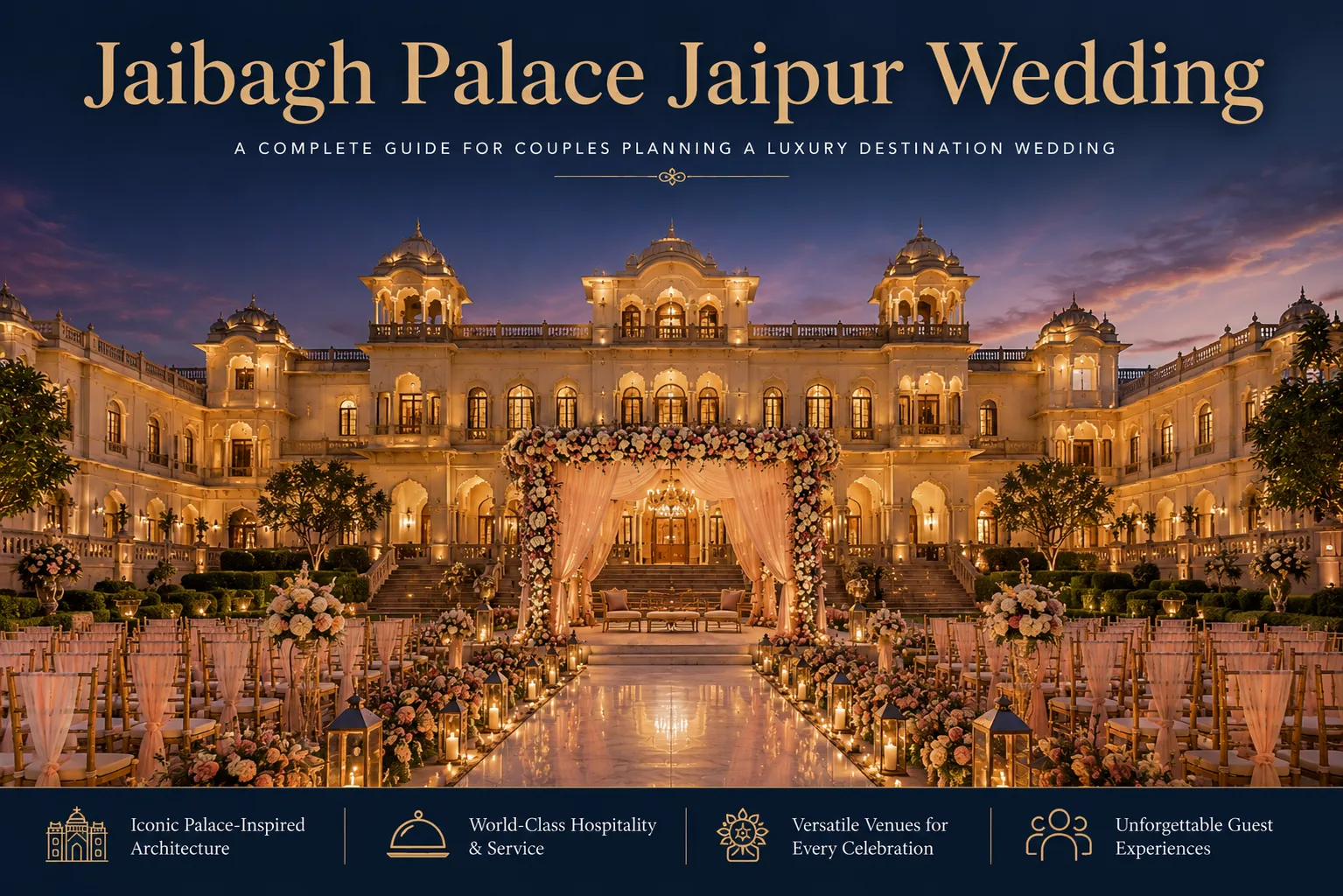
Among Jaipur's palace-style wedding venues, Jaibagh Palace has gained attention from couples seeking a venue that combines traditional architectural character with the practical requirements of a modern destination wedding. Understanding how to plan effectively around the venue can help couples maximize both the wedding experience and guest satisfaction.
Step 1: Define the Purpose of Your Destination Wedding
Before selecting décor themes, entertainment options, or event concepts, couples should first define the purpose of the celebration.
This may sound simple, but it is one of the most overlooked planning exercises.
Ask yourself:
- Is the wedding primarily family-focused?
- Is guest interaction a priority?
- Do you want a culturally immersive Rajasthan experience?
- Is the goal to create a relaxed atmosphere or a highly structured celebration?
The answers influence almost every planning decision that follows.
Wedding professionals often note that couples who establish clear priorities early tend to make faster and more confident decisions later.
Step 2: Understand the Venue's Natural Strengths
Every venue has features that naturally support certain types of celebrations.
Rather than forcing a concept onto a venue, experienced planners often recommend working with the venue's inherent character.
Jaibagh Palace is typically chosen by couples who appreciate:
- Palace-inspired surroundings
- Traditional architectural elements
- Multi-function event possibilities
- Destination wedding atmosphere
When the wedding concept aligns with the venue environment, the celebration tends to feel more authentic and cohesive.
For venue-specific information and planning insights, couples often refer to DWI's Jaibagh Palace venue profile:
https://destinationweddingsindia.com/portfolio/the-jaibagh-palace-jaipur/
Step 3: Build the Wedding Around Guest Movement
One of the biggest differences between a destination wedding and a local wedding is guest movement.
In a destination wedding, guests are not attending a single function. They are participating in a series of experiences spread across multiple days.
This means couples should carefully consider:
- Arrival schedules
- Room allocations
- Event locations
- Transportation requirements
- Departure planning
Poorly managed guest movement can create stress even when the wedding itself is beautifully designed.
Industry experts frequently recommend creating a guest journey map before finalizing event schedules.
Step 4: Design Events with Different Objectives
Not every wedding function needs the same energy level.
In fact, successful destination weddings often create variety.
For example:
Welcome Gathering
Objective: Introductions and relaxation.
Mehendi Function
Objective: Informal interaction and cultural engagement.
Sangeet
Objective: Entertainment and family participation.
Wedding Ceremony
Objective: Tradition and emotional significance.
Farewell Gathering
Objective: Reflection and appreciation.
Viewing each function through a specific purpose helps create a more balanced wedding experience.
Step 5: Make Hospitality a Core Planning Category
Many couples treat hospitality as a secondary consideration.
Experienced planners generally take the opposite approach.
Hospitality influences:
- Guest satisfaction
- Event participation
- Family comfort
- Overall wedding perception
Areas deserving attention include:
Guest Communication
Clear information reduces confusion.
Check-In Experiences
First impressions matter.
Food Planning
Dining experiences become a major part of destination weddings.
Assistance for Elderly Guests
Accessibility should be addressed early.
Hospitality is often the factor guests remember long after the wedding ends.
Step 6: Use Jaipur as More Than a Backdrop
One common mistake is treating the destination merely as scenery.
Jaipur offers opportunities to create experiences that feel genuinely connected to Rajasthan.
Ideas often include:
- Traditional welcome rituals
- Regional culinary experiences
- Folk entertainment
- Local design influences
- Heritage-inspired storytelling
When integrated thoughtfully, these elements help create a stronger sense of place.
Destination wedding specialists often describe this as destination immersion rather than destination decoration.
Step 7: Balance Tradition and Personalization
Modern weddings often involve multiple generations with different expectations.
Parents may prioritize rituals.
Friends may prioritize celebration.
The couple may prioritize personalization.
The challenge is finding a balance that respects all three.
Many successful weddings achieve this by:
- Preserving key traditions
- Modernizing guest experiences
- Creating personalized moments throughout the celebration
This approach allows the wedding to feel both meaningful and contemporary.
Step 8: Prepare for Operational Realities
Every destination wedding faces logistical challenges.
Common examples include:
- Schedule changes
- Vendor coordination issues
- Weather-related adjustments
- Transportation delays
- Last-minute guest requests
The goal is not to eliminate every challenge.
The goal is to create systems capable of managing them efficiently.
Experienced wedding planners often emphasize contingency planning as one of the most valuable investments in the planning process.
Common Misconceptions About Palace Weddings
Bigger Always Means Better
In reality, guest experience often matters more than scale.
More Events Create More Fun
Excessive scheduling can lead to guest fatigue.
Décor Determines Success
Hospitality and planning usually have a greater influence on guest satisfaction.
Every Space Must Be Utilized
Strategic event placement often works better than maximizing every available area.
Understanding these misconceptions helps couples make more informed decisions.
How Jaipur's Wedding Industry Supports Couples
One reason Jaipur remains a leading destination wedding market is the depth of its wedding ecosystem.
Couples benefit from:
- Experienced hospitality teams
- Established wedding vendors
- Cultural specialists
- Event production professionals
- Destination wedding expertise
This ecosystem helps simplify planning and improve execution quality.
According to industry observations shared by DWI, this mature infrastructure is one of Jaipur's strongest competitive advantages compared to newer wedding destinations.
Expert Recommendations Before Finalizing Your Wedding Plan
Wedding professionals often recommend asking the following questions:
What do we want guests to remember?
The answer should influence planning priorities.
Does every event have a clear purpose?
Each function should contribute something unique.
Are we planning for photographs or experiences?
The strongest weddings typically achieve both.
Have we considered guest comfort at every stage?
Comfort often drives overall satisfaction.
Does the wedding reflect who we are as a couple?
Personal authenticity remains one of the most important aspects of modern wedding design.
Frequently Asked Questions
Why is Jaipur a preferred destination wedding city?
Jaipur combines heritage, hospitality expertise, cultural experiences, and strong accessibility.
What makes destination wedding planning different?
Destination weddings require greater focus on logistics, guest management, and hospitality.
Why is guest journey planning important?
Guests experience the wedding across several days rather than a single event.
How can couples personalize a palace wedding?
By incorporating meaningful experiences, family stories, and cultural elements that reflect their identity.
What planning area is most commonly overlooked?
Hospitality and guest communication are often underestimated.
How can couples reduce wedding stress?
By defining priorities early and creating realistic planning timelines.
Conclusion
Planning a wedding at Jaibagh Palace Jaipur involves much more than selecting a venue. It requires thoughtful decisions about guest experience, event structure, hospitality, cultural integration, and logistical coordination.
The venue provides the setting, but the overall success of the celebration depends on how effectively the wedding is designed around the people attending it.
As Destination Weddings India continues to highlight through its venue intelligence, destination research, and wedding industry expertise, the most memorable weddings are rarely those with the largest productions. They are the ones that successfully combine planning clarity, meaningful experiences, thoughtful hospitality, and authentic celebration.
For couples considering Jaibagh Palace Jaipur, approaching the wedding as a carefully designed experience rather than a collection of individual events can help create a celebration that feels both memorable and genuinely personal.